This article contains affiliate links
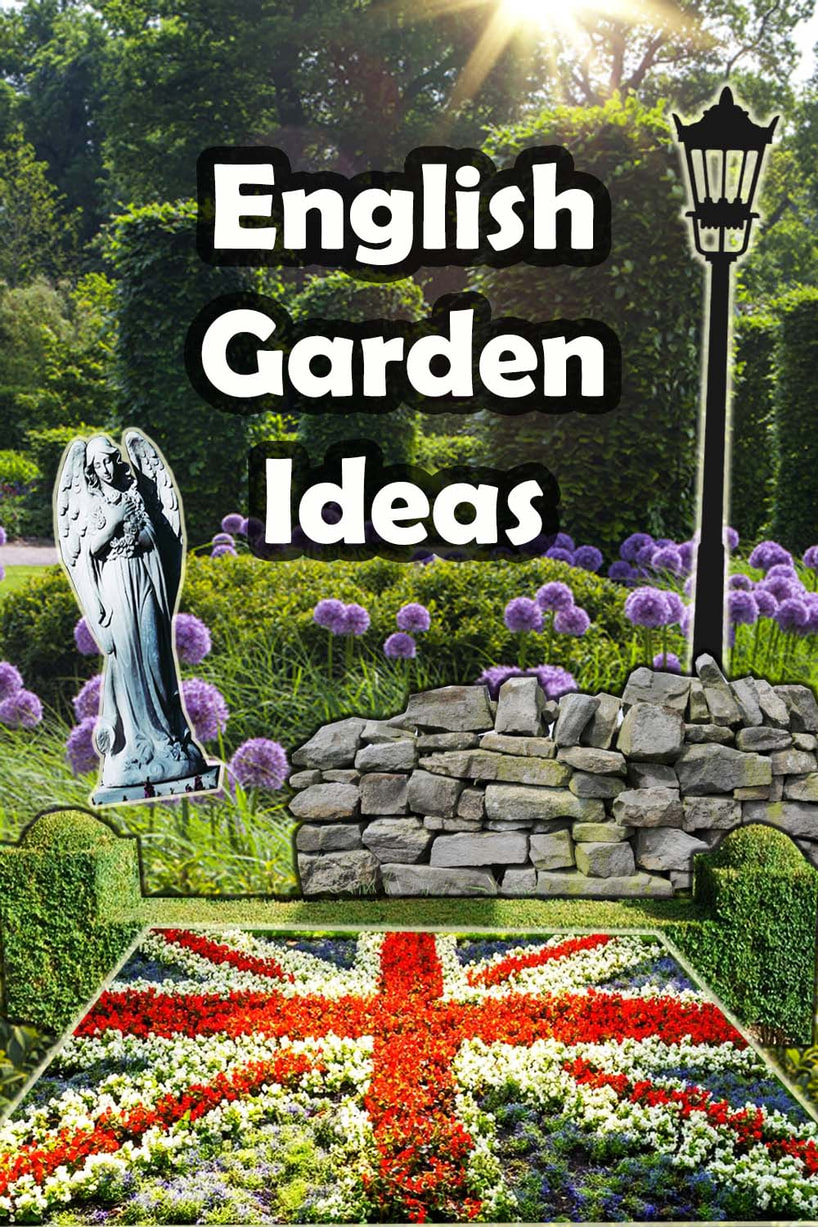
English gardens are one of the most charming and romantic garden styles in the world. These gardens are full of decorative features, architectural elements and seamless blend both formal and informal elements.
English gardens celebrate natural materials and local craftsmanship which gives them a bespoke look and feel. Unlike many other garden themes English gardens seem to be able to adapt to any style. Whether you want a formal or more naturalistic garden it doesn’t really matter. English gardens can handle both regimental and naturalistic styles with ease. If you are looking for English garden ideas look no further! I have compiled a list of 32 amazing English garden ideas for your little slice of paradise. 1. Formal hedges
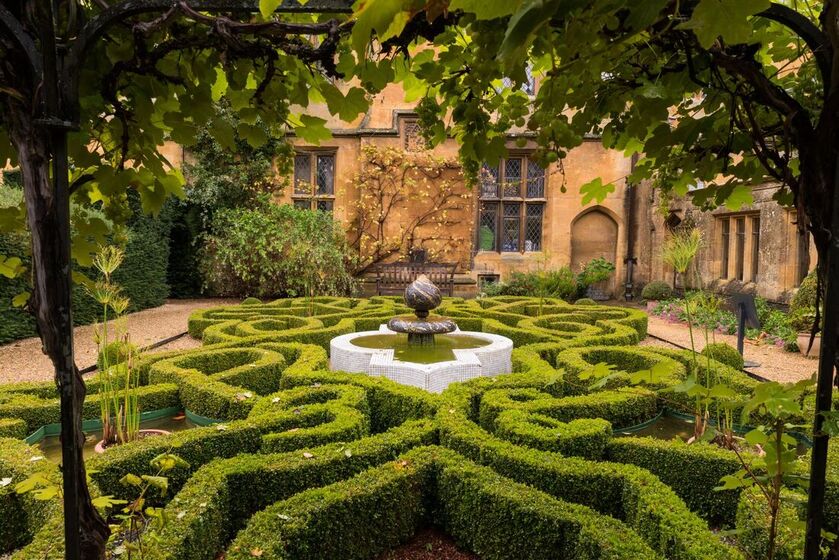
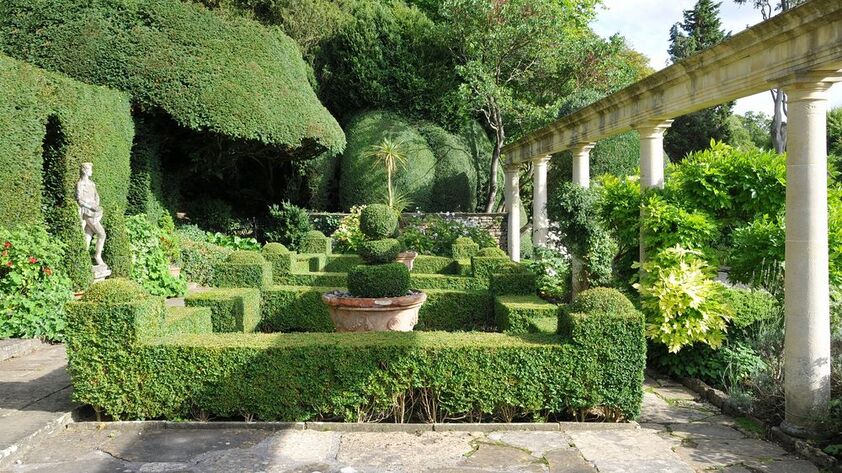
Formal hedges have been utilised in English gardens for hundreds of years. Typically these evergreen hedges are clipped using Buxus, Sweet box or Yew hedging. Such hedges often form low border hedging which emphasises bold lines within the design. These are often accompanied by larger more vertical shaped evergreen topiary such as cones or lollypops.
2. Woodland planting
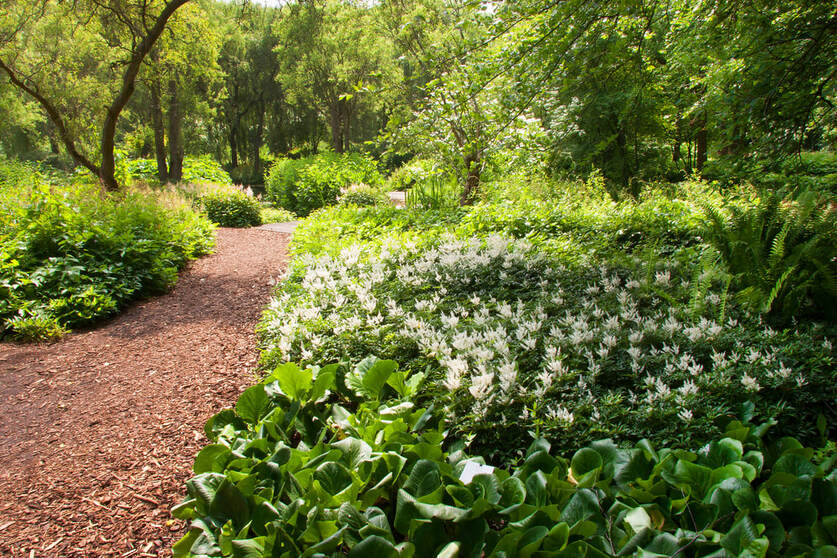
English gardens are well known for their woodland garden planting displays. These shady gardens are often made up of small trees, shrubs and shade loving perennials. With a naturalistic feel, dense woodland zones help to form a combination of enclosure and open views. The diverse array of dense vegetation and flowering plants also encourage birds and other wildlife.
3. Gravel
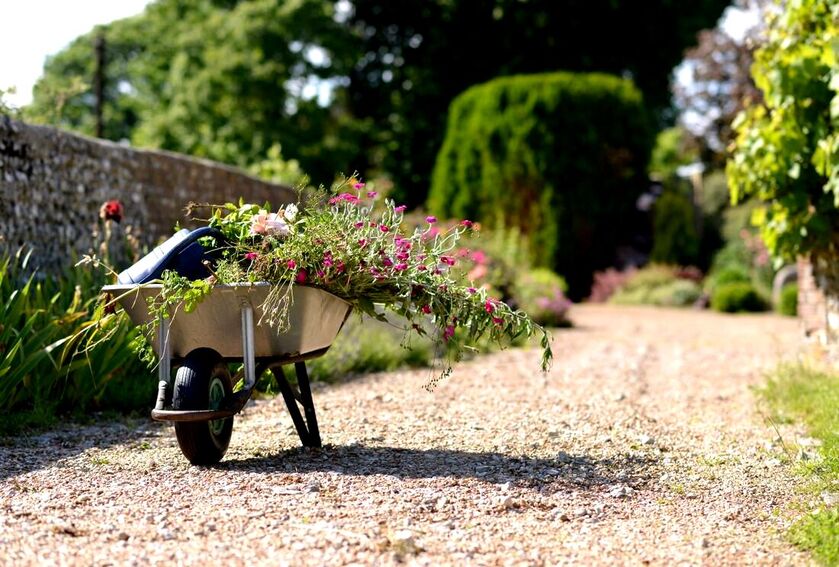
Gravel has long been used in English gardens for its versatility and decorative textures. Gravels such as pea gravel is found in abundance throughout England’s beaches and estuaries. Due to its warm tones it was widely used for surfacing garden paths and seating areas. In medieval, walled gardens gravel helped to boost warm microclimates for crop growing.
4. Pathways
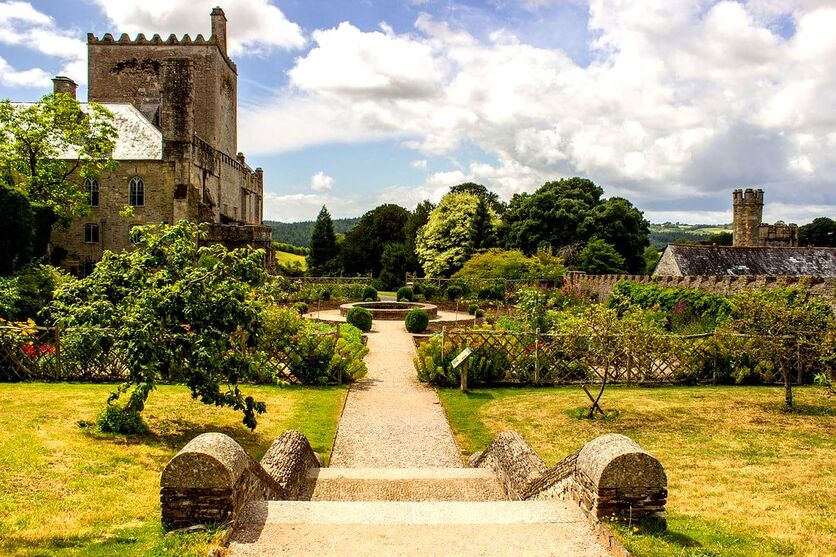
English gardens are famous for their use of walkways and paths which traditionally have two main functions. Pathways are utilised to form bold lines and add structure to the design while also creating a journey. It is common for paths to draw your eye to distinct features and focal points. In more naturalistic English gardens however pathways can be curved and meandering through naturalistic planting and meadows.
5. Benches
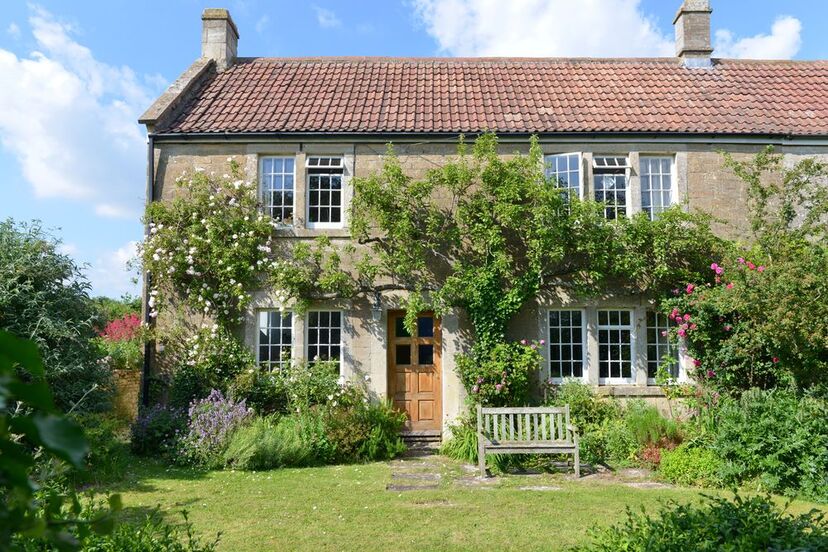
Venture through any English village and you are sure to see a local greens lined with benches. Benches are a traditional feature of English gardens and usually positioned facing lawns or focal points. They are a fantastic way to encourage visitors to take a moment to stop and simply enjoy nature. Timber benches are often also positioned along paths and walkways.
6. Pergolas
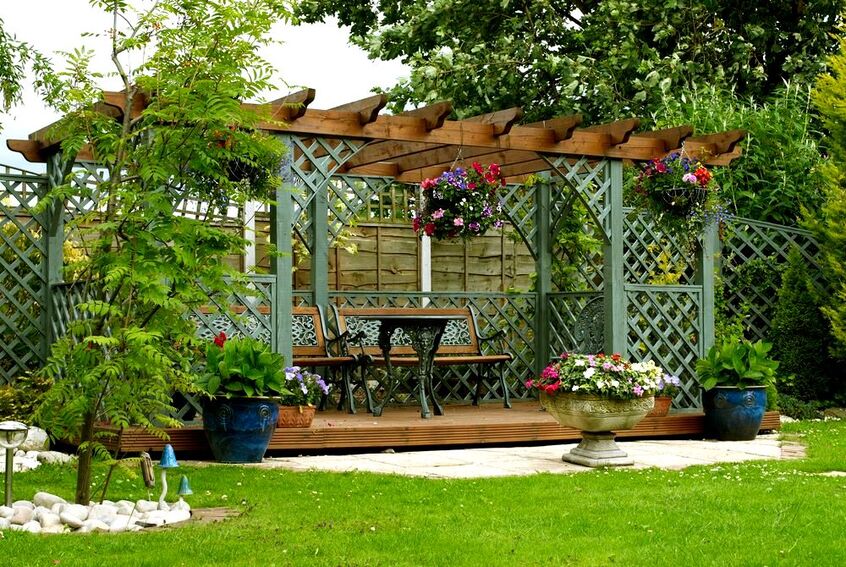
It is common for English gardens to use architectural structures to frame views and create spatial hierarchy. Vertical features can also be great for growing climbing plants and scented flowers. It is typical for English gardens to place decorative pergolas over seating areas and along pathways. These structures can be the perfect place to seek shade during long hot summers.
7. Statues
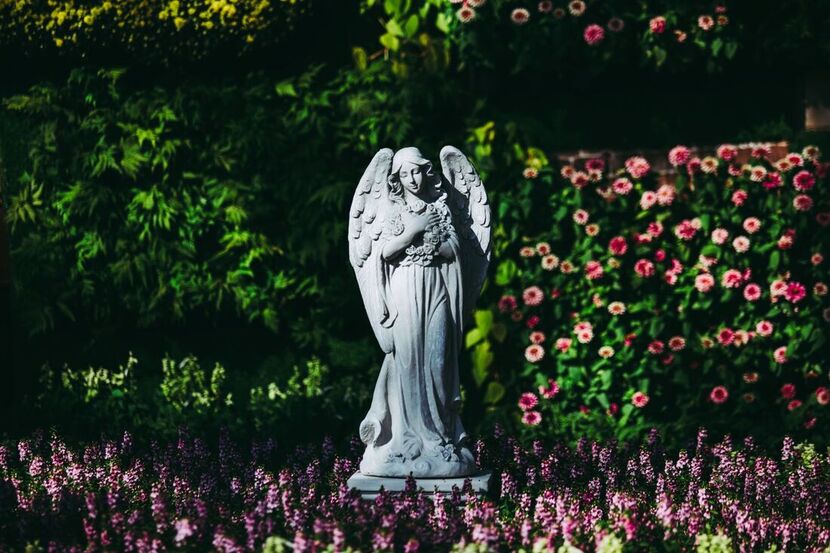
Statues have always had a place adorning central borders and focal points within English gardens. These monuments are a remnant of the classical garden style which was popular in the 17th century. However the English have a real love of tradition and symmetry which have kept statues in vogue. Statues do not have to be of the classical style and can be of any form or personal preference.
8. Topiary
Topiary is an ancient art practiced for centuries in Europe and in Britain. It has been said that the Romans originally founded the idea of pruning hedges into decorative shapes. In English gardens this practice is used to create attractive shapes and forms. Topiary is celebrated in more formal English gardens where it can take the form of columns and even animals.
9. Formal ponds
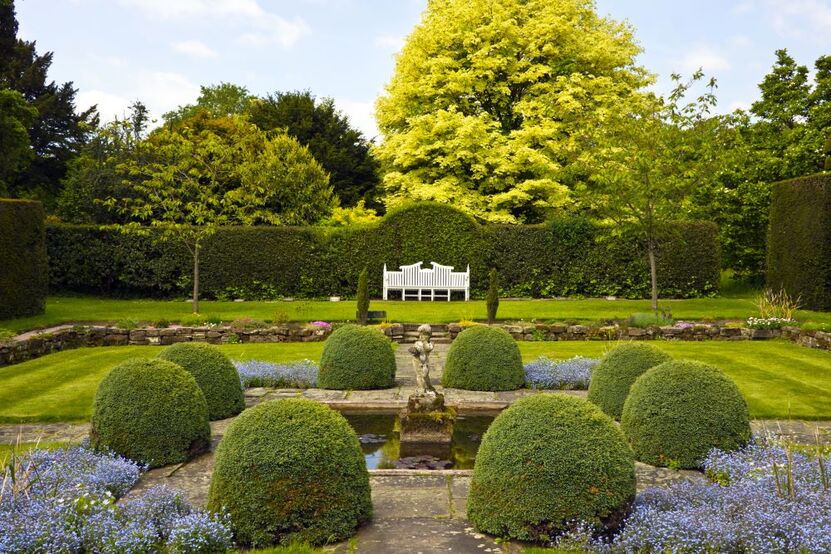
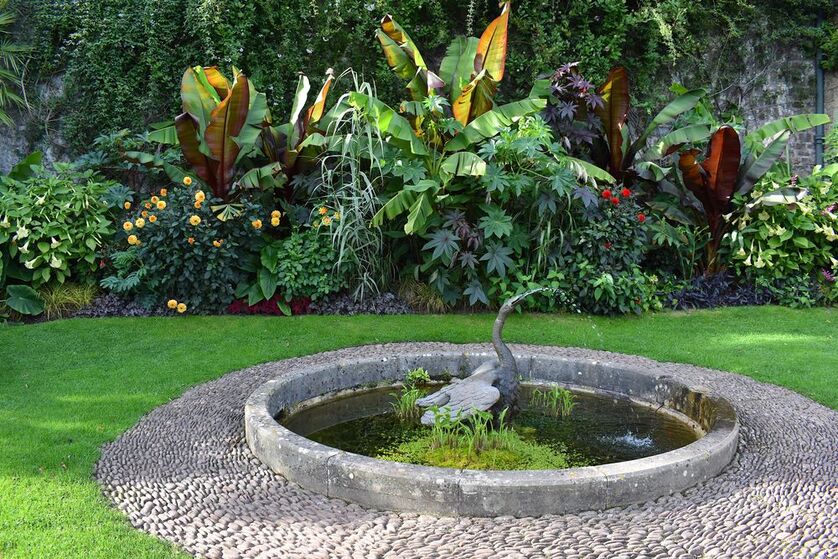
English gardens regularly showcase formal water features within their landscaping. These can act as focal points with central fountains or statues. Ponds also offer the opportunity to use the effect of reflection upon adjacent features or structures. Water within English gardens can also flow from formal areas into more naturalistic water features.
10. Decorative edging
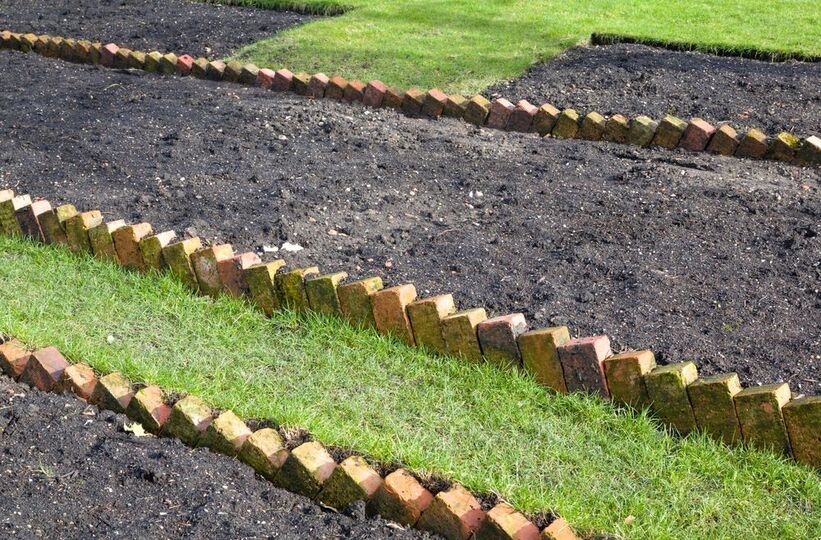
Decorative edging can play a significant role in defining flower borders and retaining surfaces within English gardens. Traditional English gardens use a variety of different edging materials and styles. Some of these include red brick, granite setts, rope top edging and natural stone edgings. Such edging can be used as retaining edging to borders and gravel surfaces.
11. Flower meadows
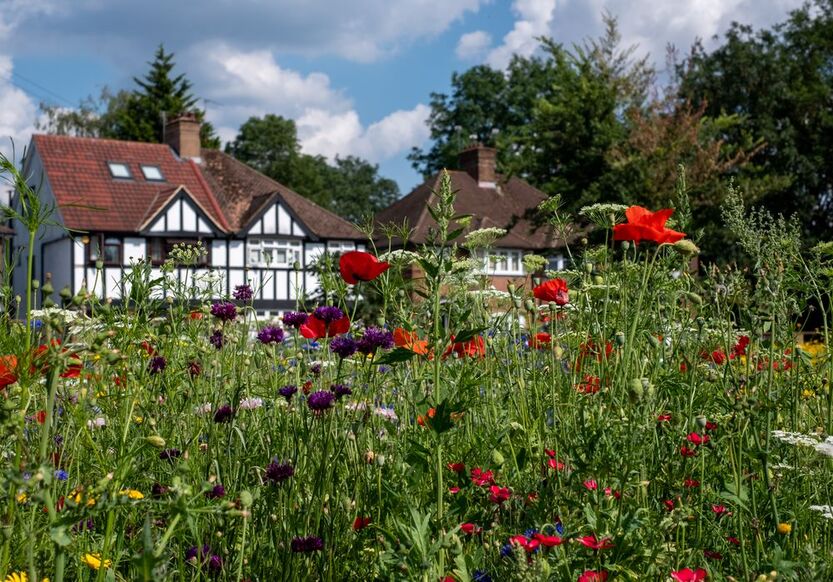
English gardens are loved for their rustic charm and sea of colourful flowers. Wild flower meadows were a part of the English landscape for many centuries. These expansive flowering grasslands were harvested for feeding livestock during the winter. Many English gardens have embraced these decorative displays as a way to boost wildlife habitats.
12. Rustic materials
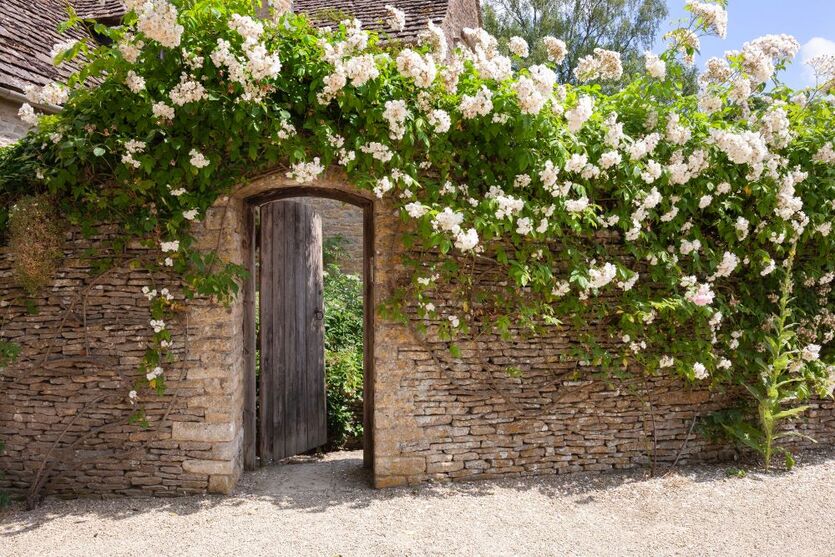
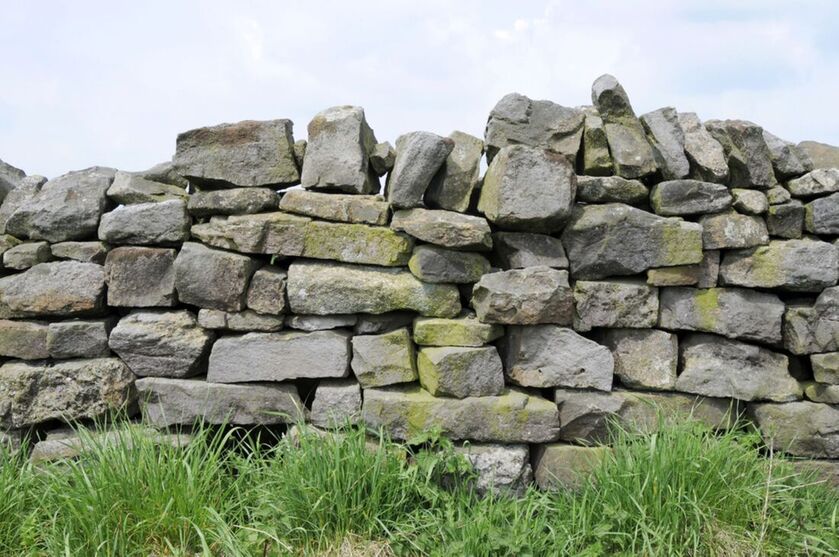
Rustic materials are a common feature within old traditional English gardens. Historically, these gardens have been added to over many decades and even centuries. Brick walls slowly fragment and weather while natural stone walls become colonised by plants. This is all a part of the rustic charm of English gardens. Try to add as many rustic materials as you can to your garden design.
13. Vegetable gardens
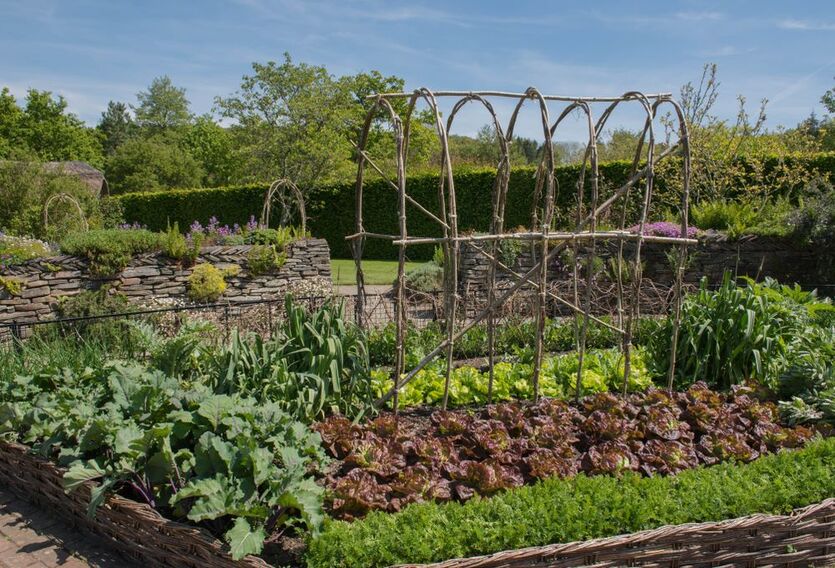
The English have had a long tradition of growing vegetables in within their gardens. From the walled gardens of the middle ages to the digging for victory campaign in the Second World War. In English gardens vegetable plots and allotments are not just about producing vegetables. Vegetables beds are also grown as a decorative feature with rows of varying foliage colours and textures.
14. Scented plants
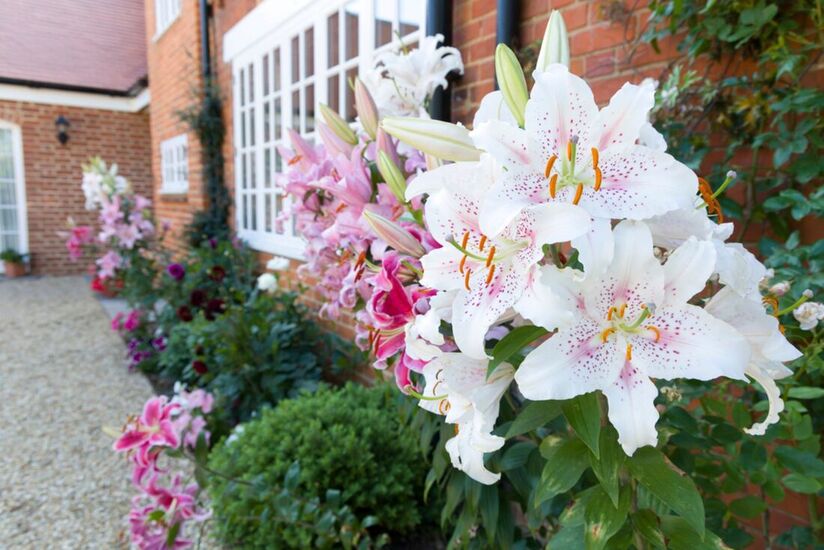
Scented plants have long been a popular part of English garden particularly along pathways and seating areas. Plants with scented leaves like lavender are a popular choice along the front of planting borders and raised beds. One of the most loved scented plants for English gardens are climbing plants. These can be grown around seating areas using trellis and pergola structures.
15. English roses
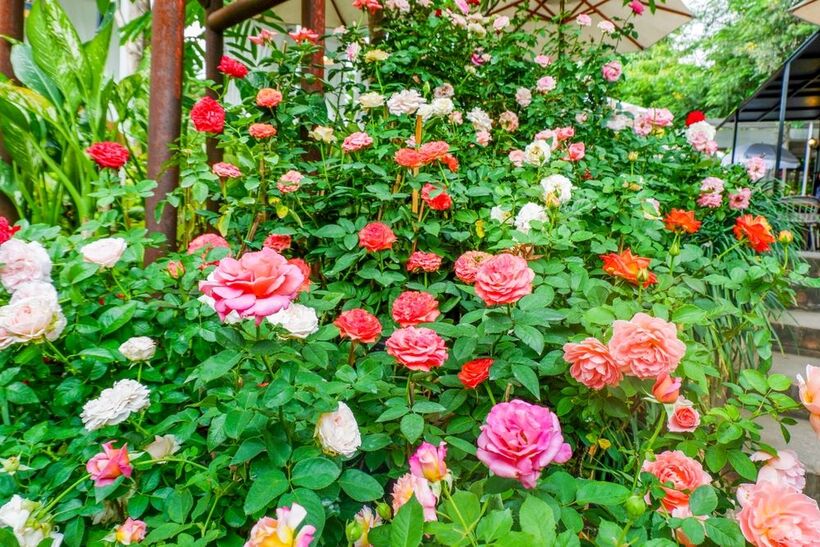
If you were to pick one plant which represents English gardens the rose would be the most celebrated. Roses have long held a prestigious status within English gardens for their beautiful flowers and sweetly scented blooms. It is common for large rose beds to be planted down from the prevailing wind. This is so pathways and seating areas can bathe within their intoxicating fragrance.
16. Archways
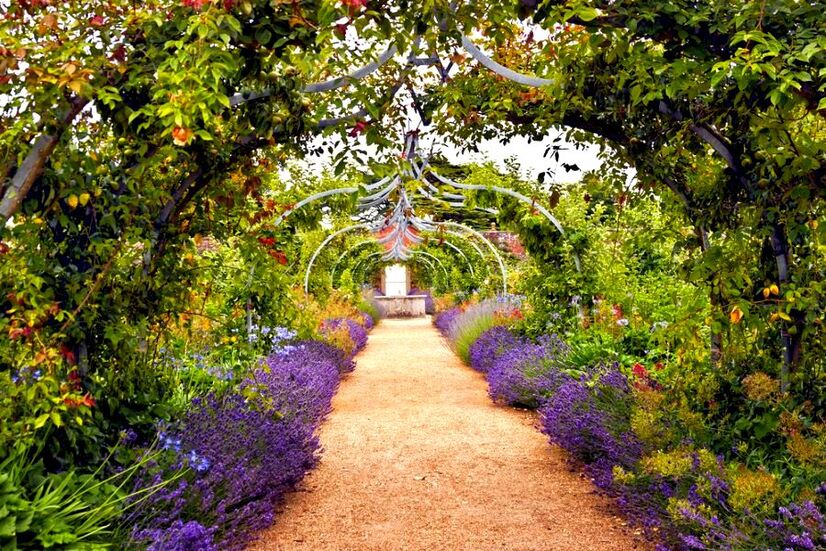
Archways are a typical feature within English gardens and traditionally used at the entrance to cottage gardens. Archways add the perfect separation between varying garden zones adding transition into new spaces. They are also the perfect opportunity to showcase attractive climbing plants, especially those with scented blooms. Metal arches are particularly popular in traditional English gardens.
17. Courtyards
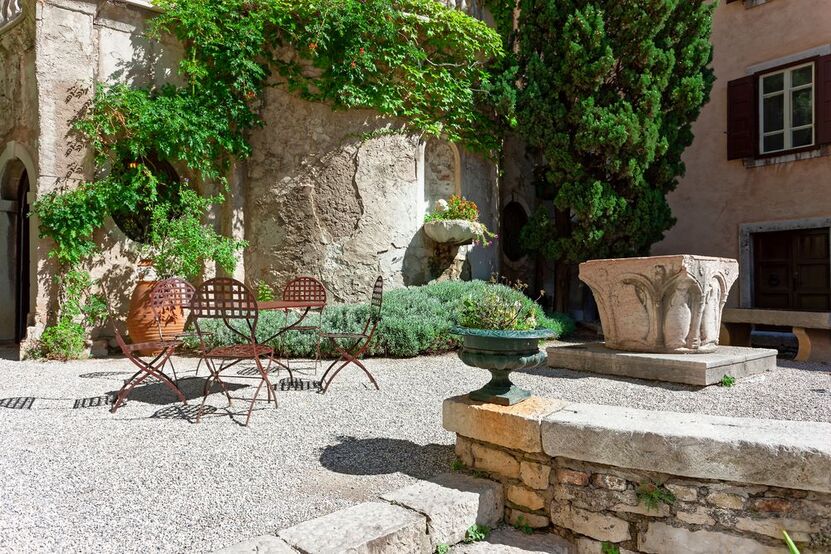
The English courtyard has evolved over many centuries and had many influences. Due to England’s changeable weather gardens were often surrounded with large walls to increase shelter and microclimate. This enabled the ability to grow a broad arrangement of plants over a longer season. Why not create your own courtyard effect by creating enclosed spaces within your English garden?
18. Decorative greenhouses
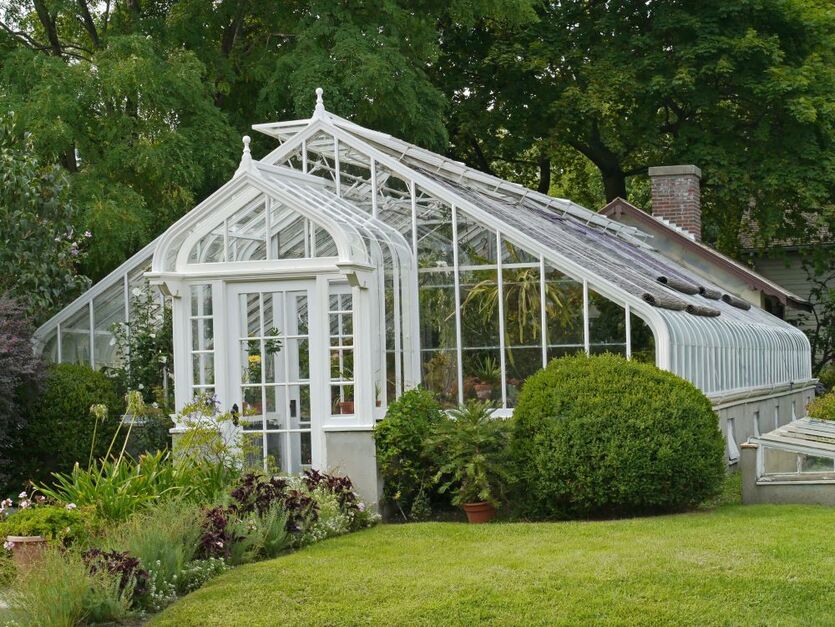
The English have always been obsessed with exotic plants and pushing the boundaries of their unpredictable climate. During Britain’s Empire until the Victorian period English gardens had decorative greenhouses full of exotic plants. The Victorian greenhouse had a distinct style with an essentially English feel. This makes such glasshouses a great addition to any English garden design.
19. Seasonal drama
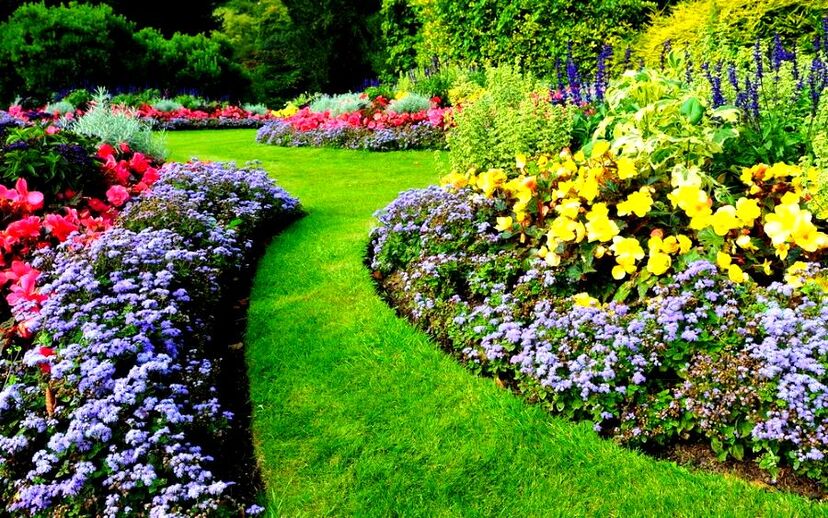
England has always had very distinct seasons with cold winters and warm summers. This means the English gardener has always had to respond to changing conditions. Consequently English gardens have always worked hard to provide interest all year round. This takes horticultural knowledge and meticulous planning! Make sure your borders provide interest during every season.
20. Masonry walls
Masonry walls have been use within English construction for centuries. Masonry encompasses natural stone and contextual man made blocks such as brick. Natural stone and rock walls have been built across rural Britain for many years. These rustic walls make the perfect vertical to courtyards and raised beds. Rustic red bricks are also perfect for giving an authentic feel to English style gardens.
21. A touch of the exotic
England was the world’s first, global empire whose influence reached every corner of the planet. The British were fascinated by exotic plants from distant lands and could not wait to show off their discoveries. This led to many English gardens having a great number of exotic plant varieties. Consequently it is quite exciting to add novelty exotics to your own garden such as hardy Kiwi or Banana!
22. Pot planting
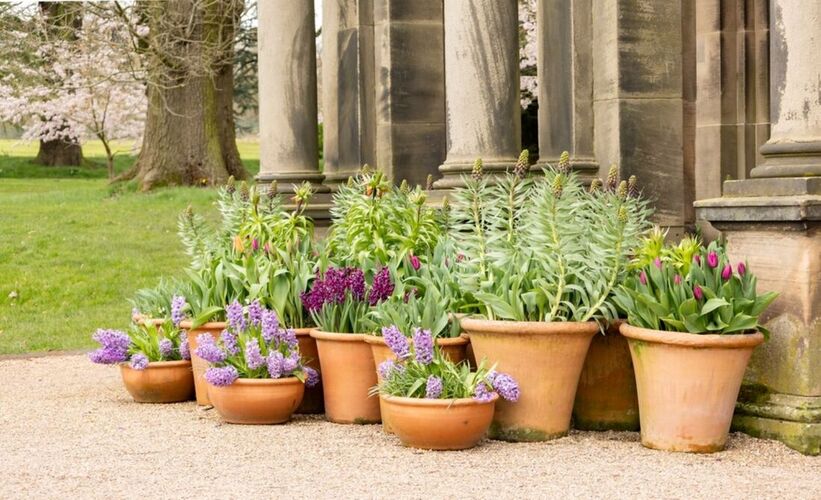
English gardens have always incorporated pots into their designs especially around doorways and seating areas. As England has a changeable climate pots allow you move plants around as conditions dictate. This is especially so for more exotic varieties such as Citrus fruits and palms. England has relatively high levels of rainfall so pots have been traditionally used for plants that like well drained conditions.
23. Hanging baskets
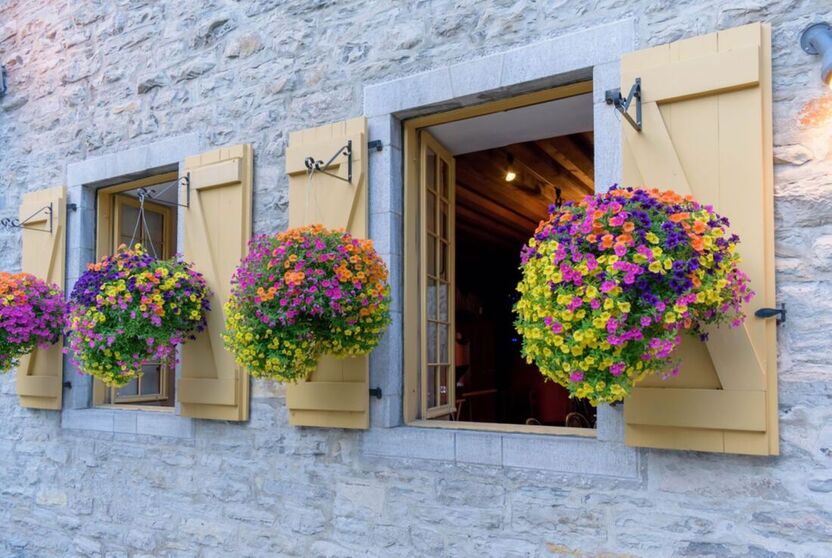
If you go to any country pub in England during the summer you will see the most magnificent hanging baskets! Hanging baskets are an obsession in the UK with rural communities competing to create the best displays. Hanging baskets are a great way to soften walls and add colour to pergolas and other structures.
24. Formal lawns
It has been said many times that England is a green and pleasant land and it is true! Lawns have become an essential part of the English garden and landscape. In English garden lawns provide the perfect places to relax and play games like cricket. The perfectly level lawn can also create a fantastic foundation for extravagantly planted and colourful borders.
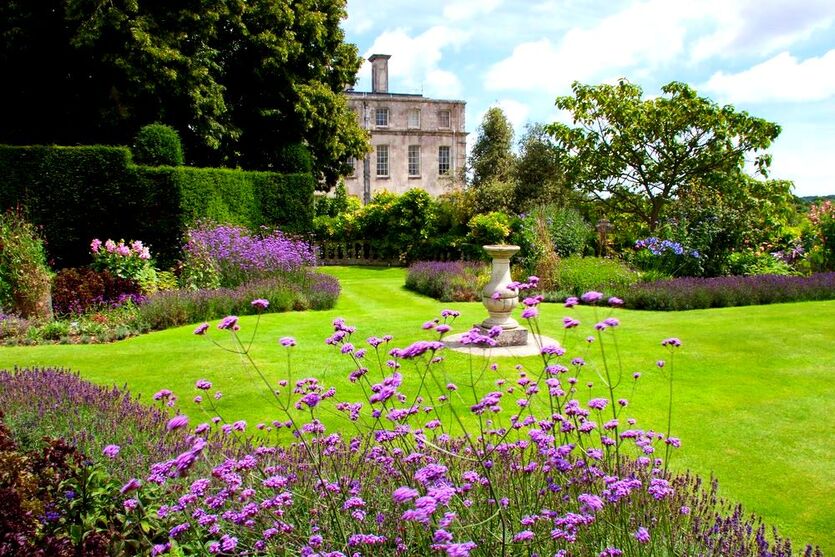
25. Orchards
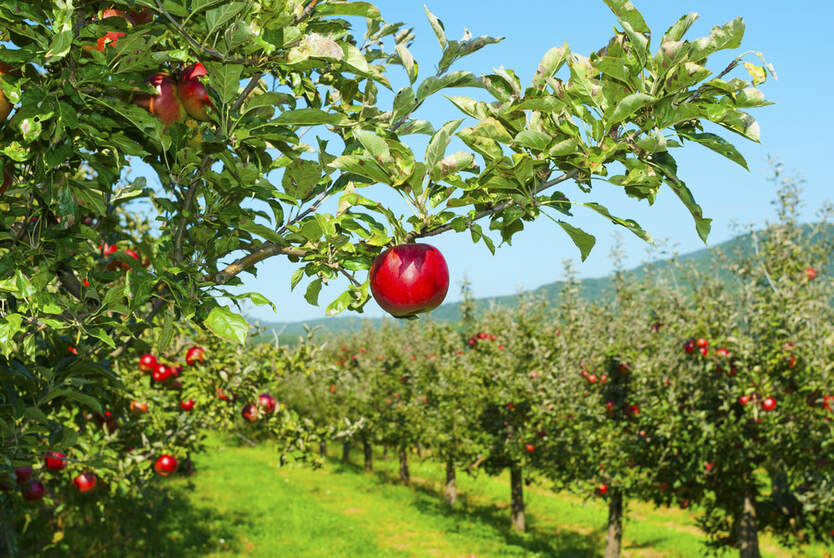
Orchards have had a rich and cultural significance within English gardens for centuries. Before large commercial agriculture England was covered in a patchwork of small holdings and orchards. These orchards provided crops like apples and cobnuts and had a high decorative value. In English gardens fruit and nut trees provide much seasonal interest as well as food for the table.
26. Traditional planting
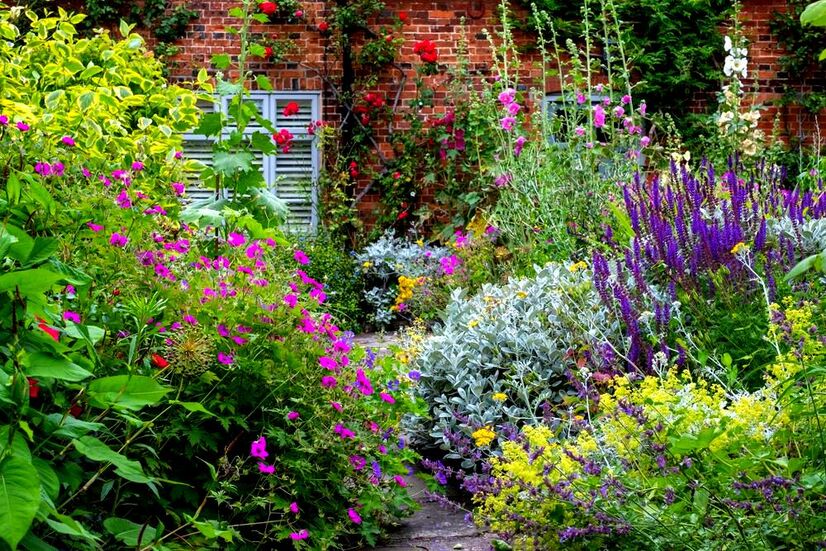
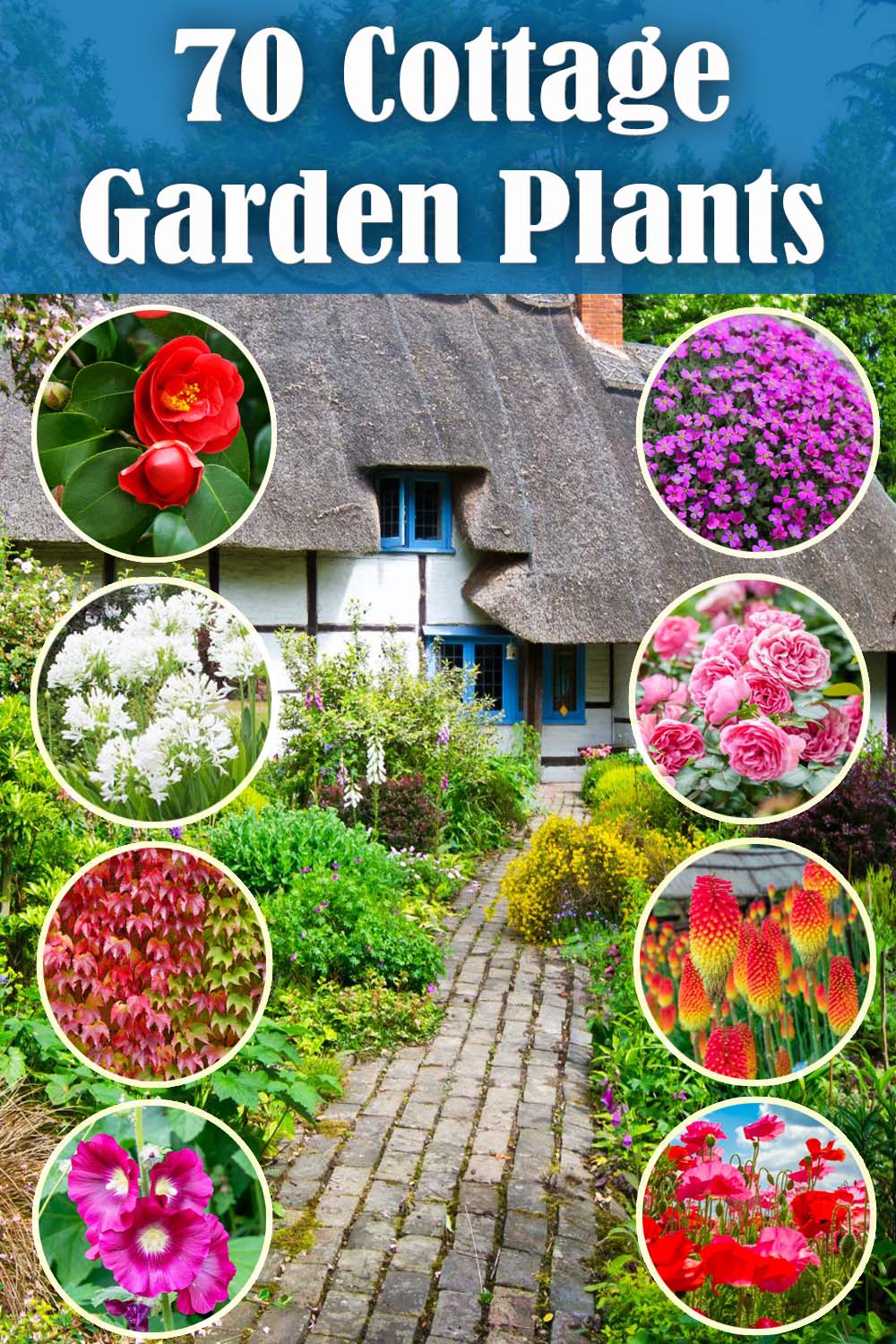
English gardens have quite a wide planting pallet when it comes to planting borders. However there is quite a traditional look and feel to English garden planting. Borders are typically generous and full of well balanced colour combinations. It is always effective to plant traditional plants such as Roses, Hollyhocks, Foxgloves, Lavender and Peony.
27. Climbers
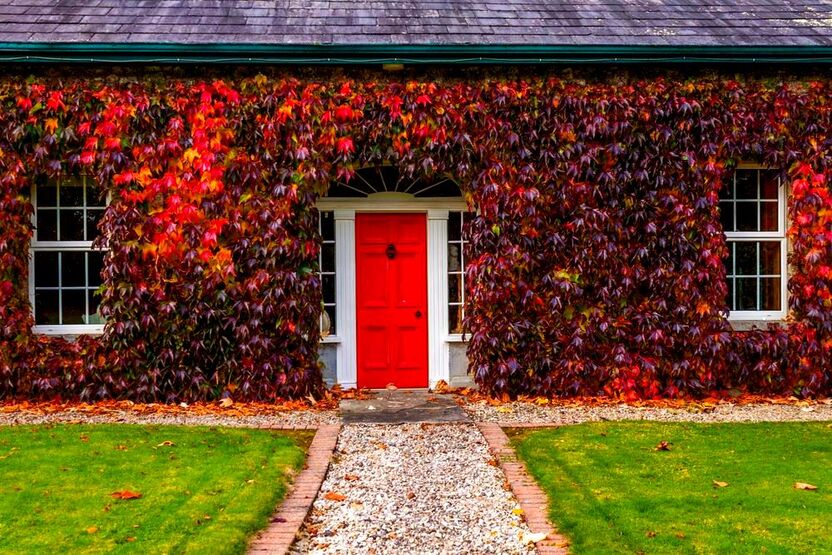
Climbers have always been utilised within English gardens to soften walls and buildings. This can also been seen within rural villages and large country estates. It is very common for climbing plants to adorn garden structures such as arches and Pergolas. English gardens love to grow scented climbers such as climbing rose and jasmine. Decorative climbers such as Wisteria, Clematis and Boston ivy are also very popular.
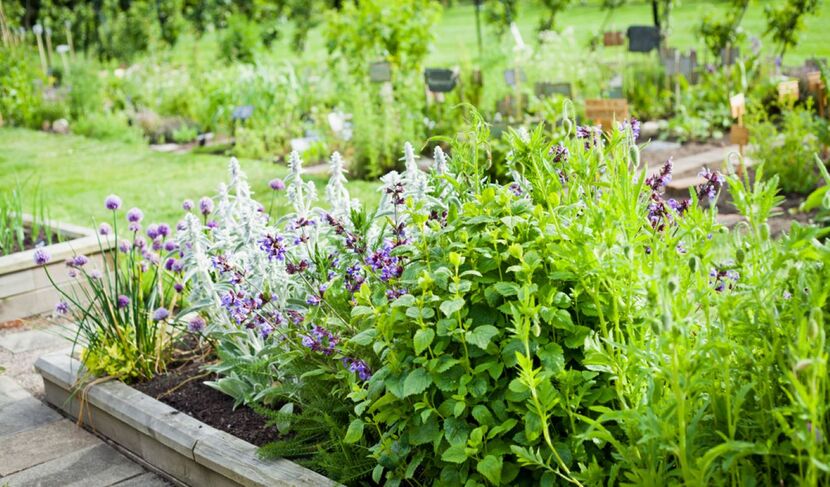
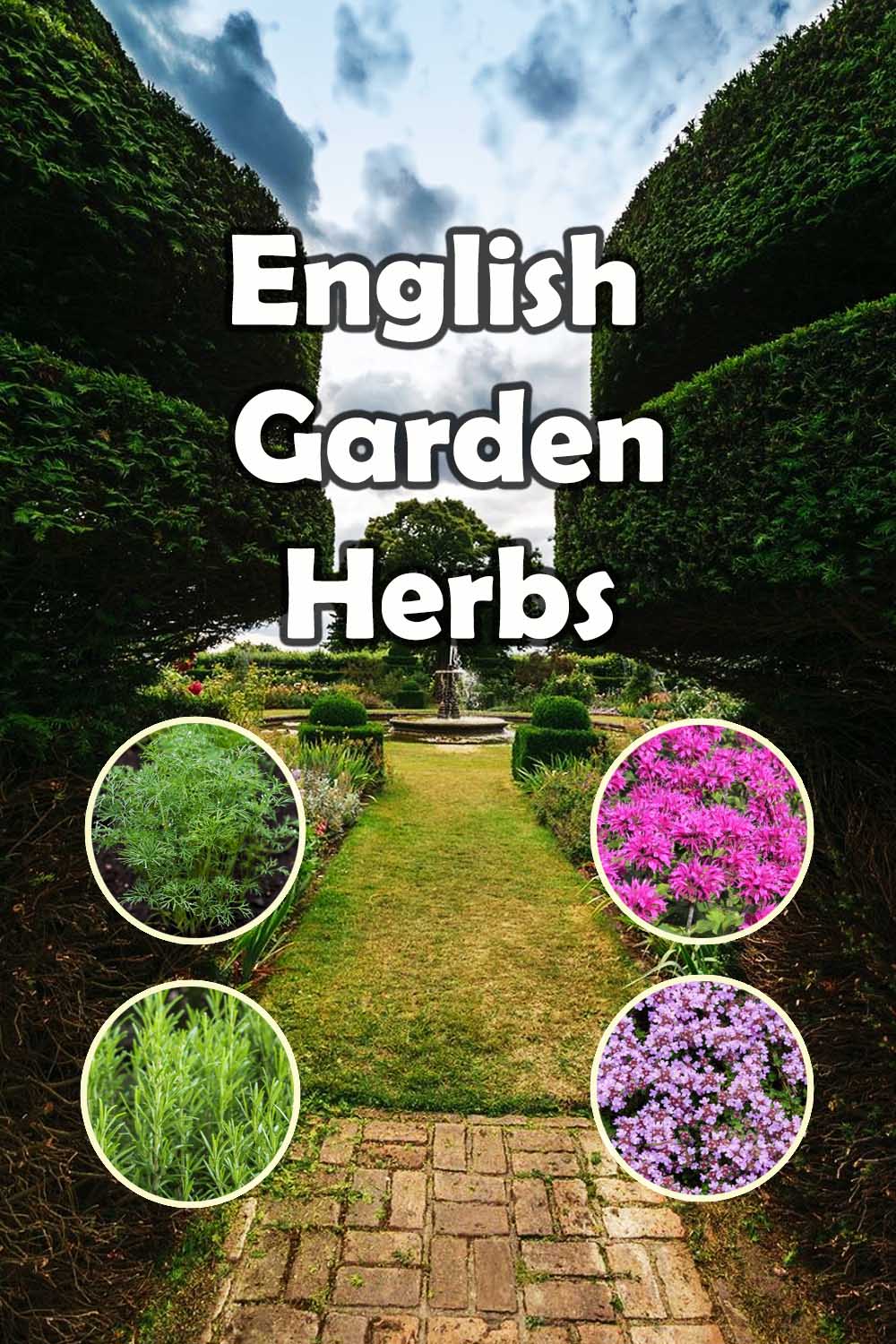
28. Herb gardens
Herb gardens date back many centuries in English gardens and were used for herbal remedies and teas. Kitchen gardens also have always featured where the English garden meets the home for culinary uses. Traditional herbs like Rosemary, thyme and sage were grown for used for stews or meat roasts. Herb gardens are a great way to add a functional aspect to your English garden.
29. English colour combinations
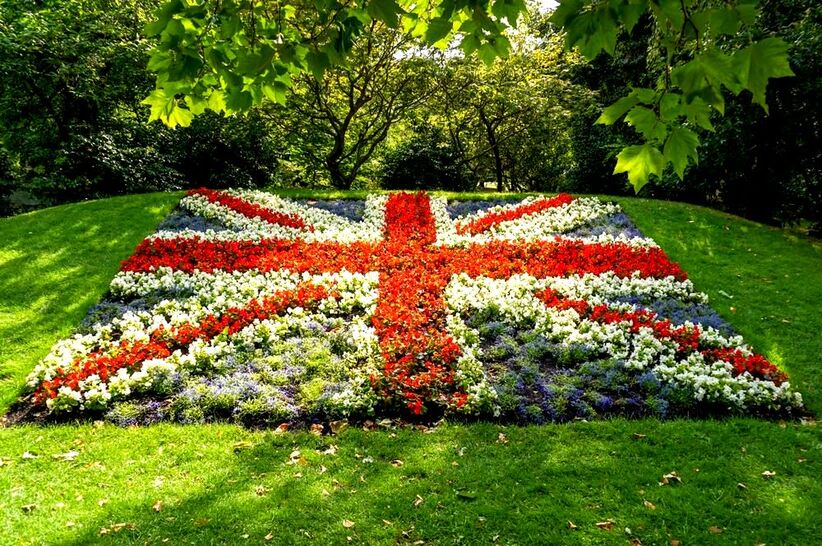
One of the things English gardens are famous for is their well balanced colour combinations. Borders are typically planted with flower displays which are both harmonious and dazzling. Flower combinations such as white and red or pinks, blues and purples are used as if painting on canvas. When you are planting your English garden think about what colour combinations you can incorporate.
30. Outdoor dining
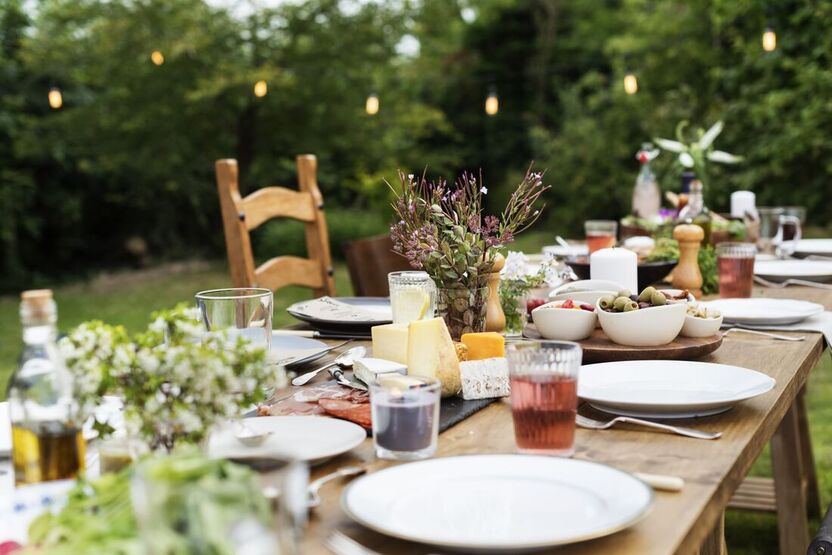
No English garden should be without a defined seating area for outside socialising and dining. As England has long cold winters when the weather improves everyone spends as much time outside as possible. English garden dining areas are often positioned next to good views or planting displays. Traditional sandstone patios or gravel seating areas are great places to plan for outdoor dining.
31. Raised beds
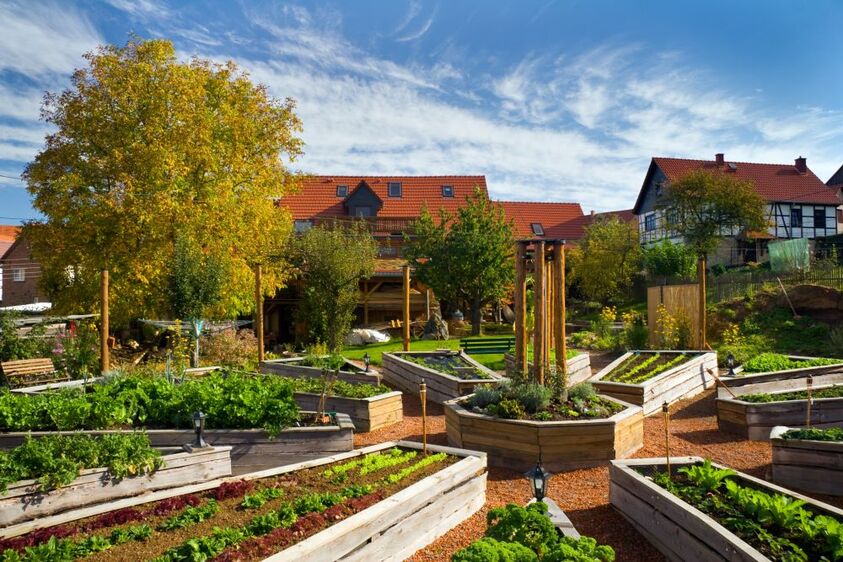
English gardens have utilised raised beds within their designs as they have many advantages. As England has high rainfall totals and variable soils, raised beds increase drainage and help to improve soil quality. This allows for better growing conditions for a broad range of plants. Raised beds are also used to raise up planting schemes to surround you in foliage and colour.
32. Spaces for wildlife
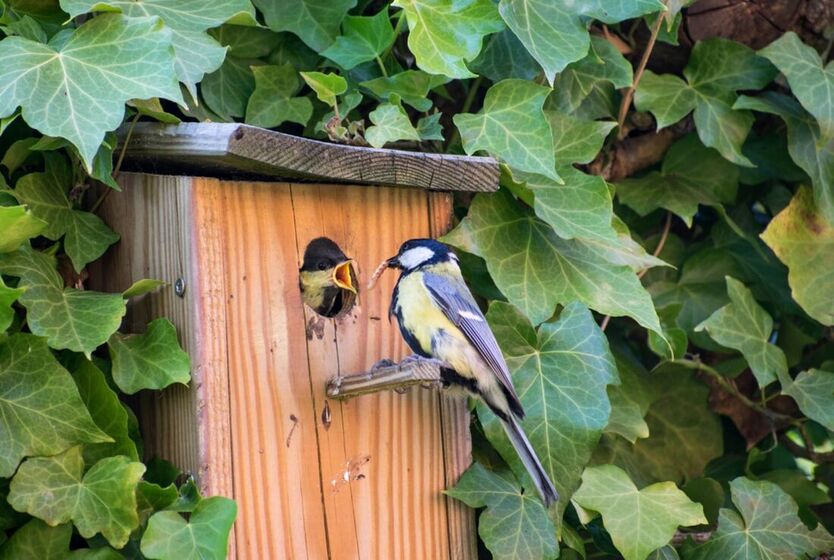
If you walk through any established English garden you will notice amble birdsong and insect activity. This is because English gardens plant a diverse range of plant specimens attractive to many species of wildlife. In recent times biodiversity and planting for wildlife has become even more popular within English garden designs. Why not create some spaces for wildlife within your project by planting a broad range of species attractive to wildlife?
Thank you for reading our article on the 32 English garden ideas! Below I will link to some of our other English garden articles you may find interesting.
'As an Amazon Associate I earn from qualifying purchases'
0 Comments
This article contains affiliate links
Garden drainage is an essential element of reaching a usable and well cultivated garden.
Although drainage installations can help to reduce ground moisture they cannot always override what nature has in store. Some sites have a natural tendency to being boggy and saturated. This can be due to multiple, regional, factors such as hydrology, geology and topography. In any case improving any sites drainage can come down to a multi pronged approach. 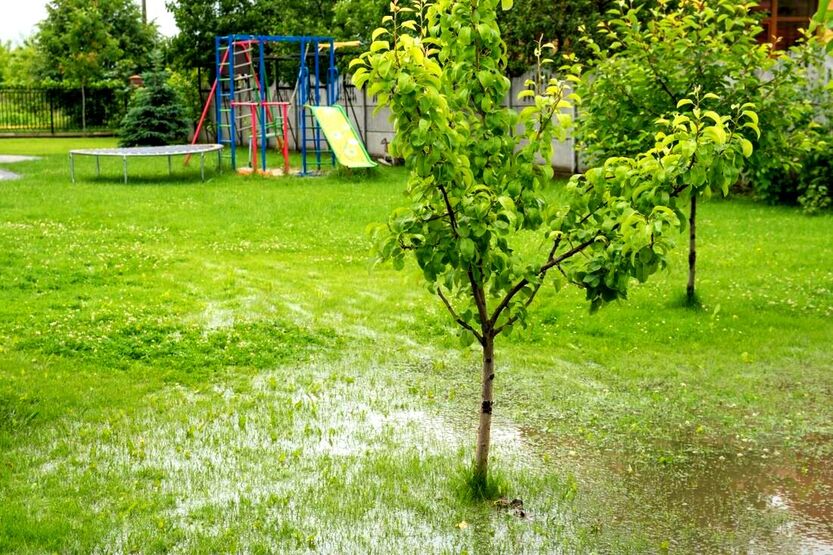
This can include excavating drainage channels, soil improvement and levelling works. Landscaping on such sites successfully can also depend upon planting the correct plants and trees for drainage.
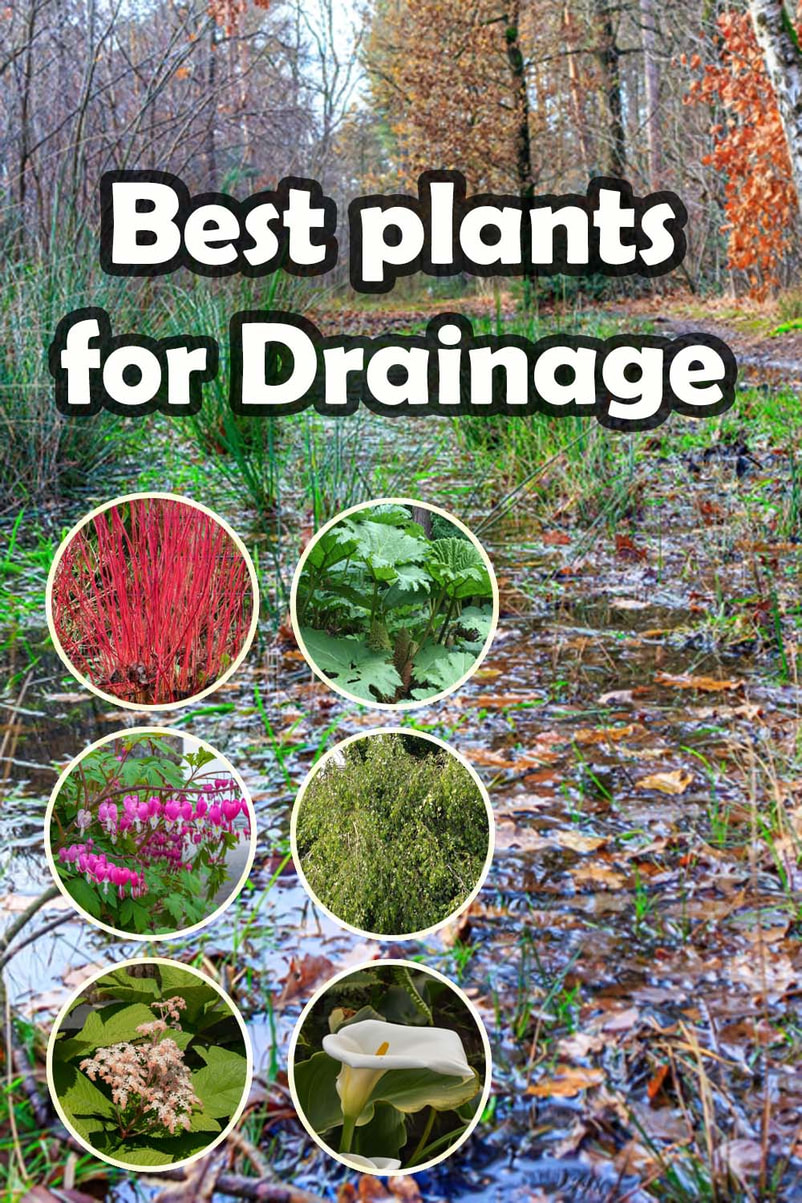
Not only will these tolerate wet soils but can also contribute to lowering soil saturation. In this article I identify 10 plant species ideal thriving within but also mitigating wet soil conditions. Reducing ground saturation with transpiration
Trees and plants which can tolerate wet soils can reduce ground moisture dramatically via transpiration. This process is where moisture evaporates from plants leaves drawing up more moisture up from the roots. Over a growing season trees in particular can transpire many gallons of water from the surrounding ground. It is not uncommon for landscapes to be cleared of vegetation only to have drainage problems emerge later. Consequently below I will list 10 species of plant which are effective at reducing ground moisture. 1. Cornus Siberica
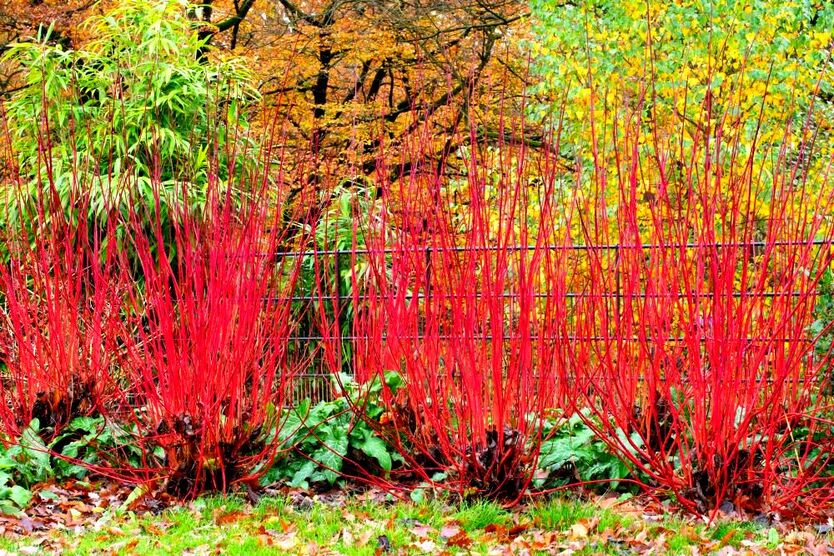
Native to Siberia this deciduous shrub is well known for its tolerance of damp ground conditions. This shrub has lush oval shaped leaves which turn radiant colour tones during the autumn. In landscaping Conus Siberica is much favoured for its deep red stems during the winter. For this reason it is commonly coppiced or pollarded to provide winter colour.
2. Salix Alba
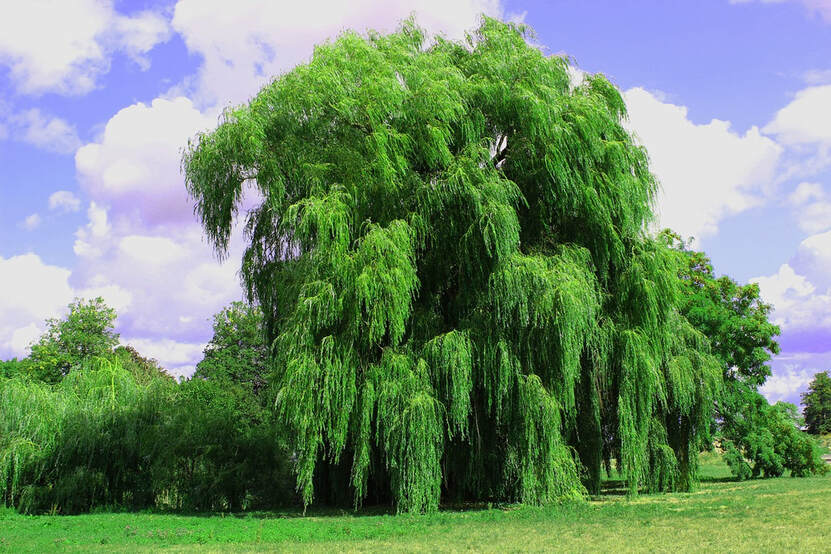
Commonly known as ‘White Willow’ this tree is known for its weeping branches and light coloured foliage. Native to Europe and Western Asia it grows in moist river basins and lowland regions. This tree is well known for its ecological value and ability to be maintained via coppicing. For more interest the contorted willow has twisted stems which are perfect for flower arranging.
3. Rodgersia
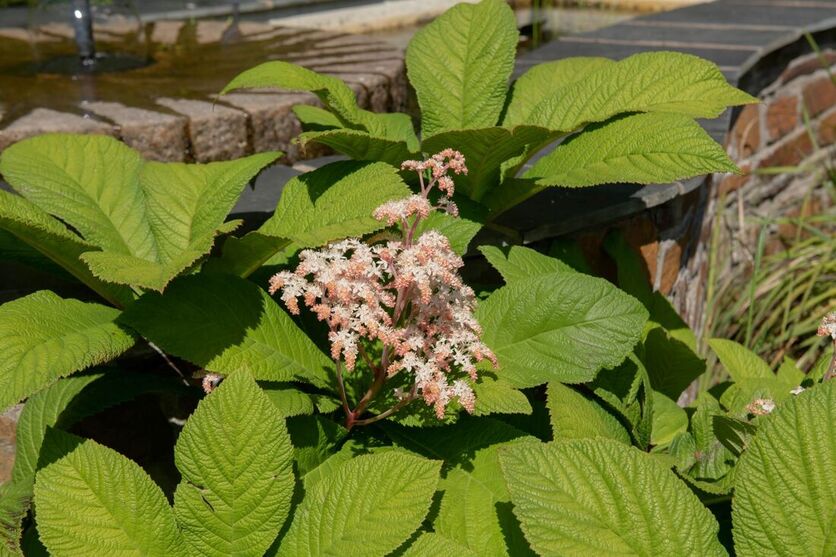
Rodegersia is a flowering perennial plant native to China and East Asia. This plant is much favoured for its large lobed leaves which give it a tropical feel. During summer it produces tall flowers with clusters of small attractive flowers. Rodgersia has the ability to tolerate dabbled shade making them suitable for woodland planting. More relevantly however these plants have a great tolerance to boggy and wet soil.
4. Iris pseudocorus
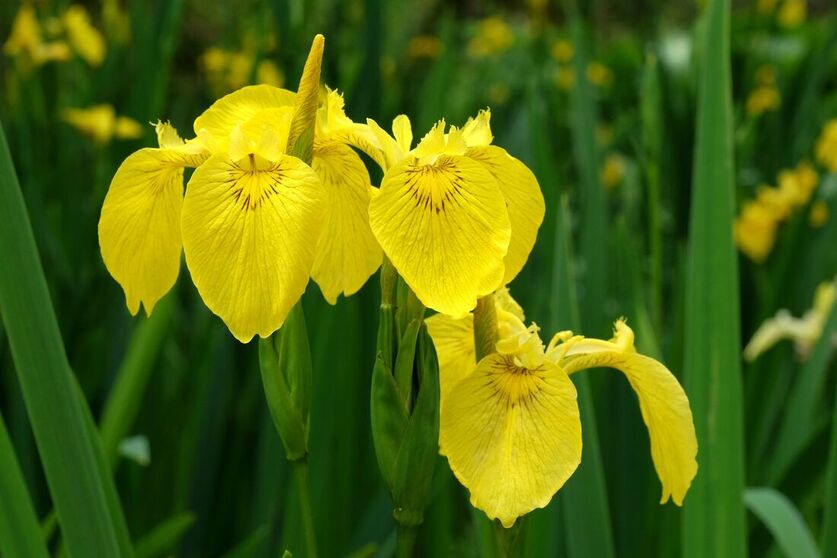
Commonly known as ‘Yellow Flag Iris’, this perennial is native to Eurasia and much loved for its yellow flowers. The ‘Yellow Flag’ is a robust plant which can be found growing along watercourses and boggy ground. It has a great tolerance of marshy conditions and can even thrive submerged under a foot of water. This plant has long sword shaped leaves and can form dense thickets of attractive foliage.
5. Betula nigra
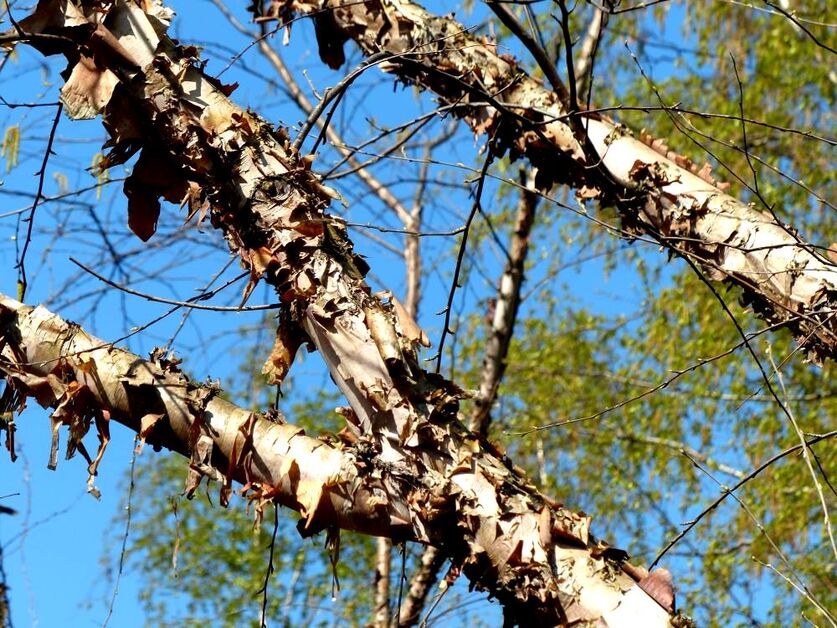
Also known as the 'River Birch' this birch tree is specialised for thriving in damp conditions. Native to the Eastern United States this deciduous tree has become a favourite landscape specimen for waterlogged sites. With a firm root system the River Birch can also be utilised for erosion control. It has attractive peeling bark which provides much winter interest.
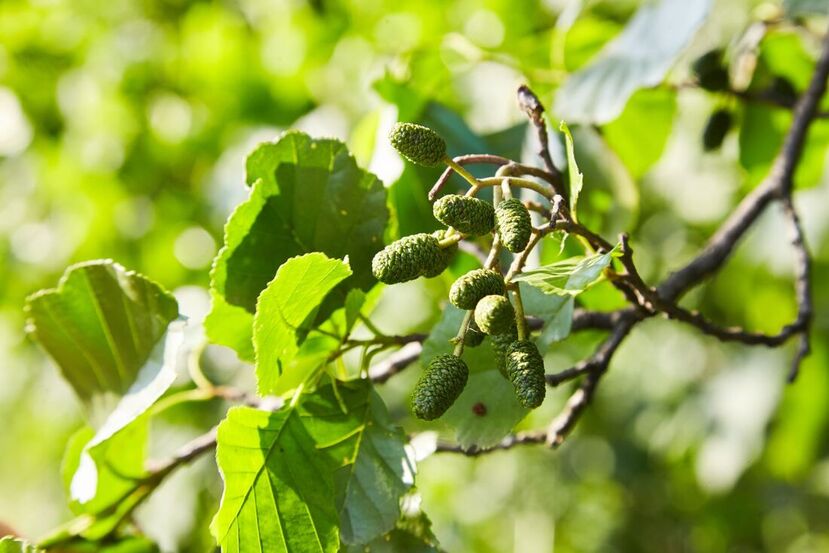
6. Alnus gutinosa
Native to North Africa, West Asia and Europe Alnus glutinous is a deciduous tree that likes wet soil. In its native range it inhabits the banks of rivers, marshlands and swamps. This tree is associated with its own wetland habitat called Alder Carr. This flooded woodland habitat can host a broad range of specialised species. Not only is Alder good for drainage it also helps to improve soil quality by raising fertility.
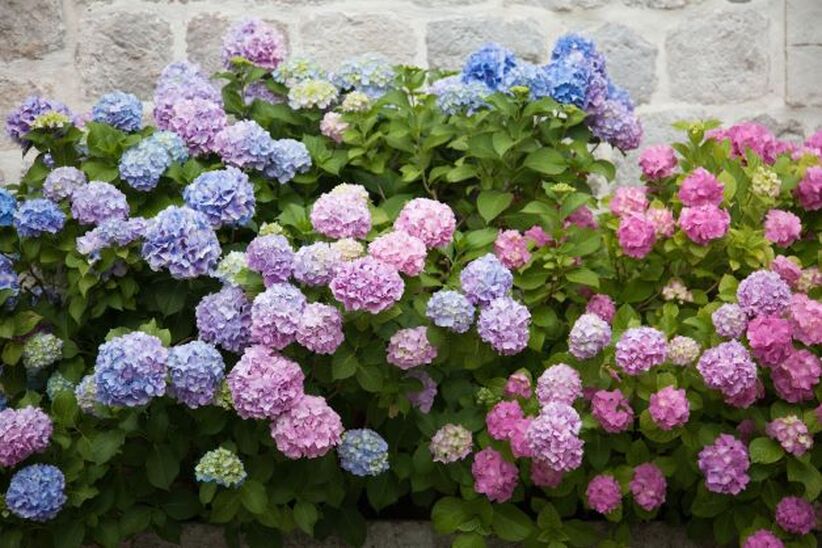
7. Hydrangea
Hydrangea is a type of flowering shrub native to Asia and America. This plant has become a favourite for gardeners with its large clusters of attractive flowers. The flowers come in a range of bright colours including white, pink, purple and blue. Hydrangeas are well known for their moisture tolerance making them ideal for landscape drainage.
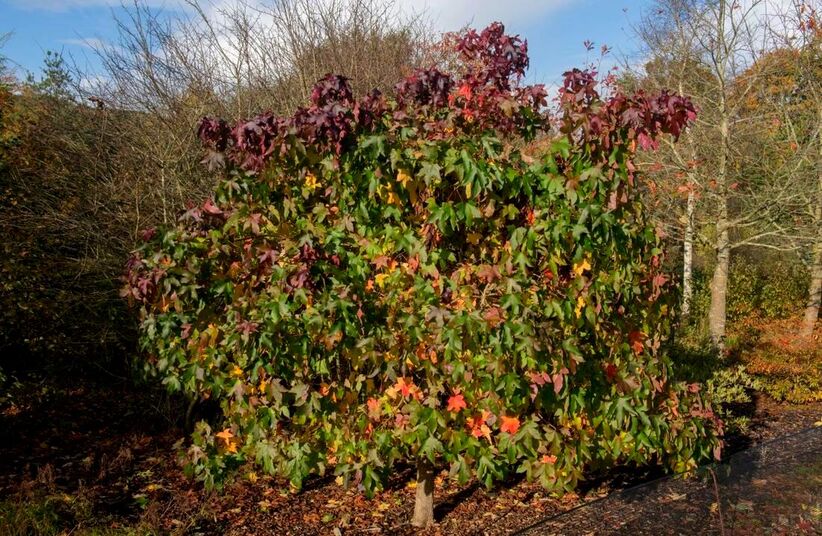
8. Liquidambar styraciflua
Also known as the American Sweet gum this tree is native to the Southern Untied States. This medium sized tree is particularly loved for its star shaped leaves and attractive form. During fall the tree has the most dramatic a autumn colour displaying tones of reds, oranges and yellows. With a tolerance to wet soil this tree is also perfect for sites with poor drainage.
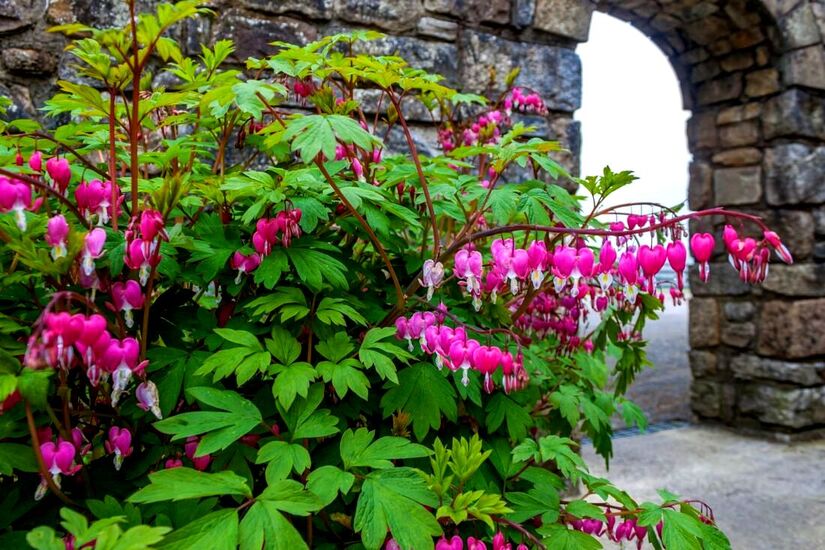
9. Lamprocapnos spectabilis
This perennial plant is famous for its spectacular flowers which look like small red hearts. Appropriately also known as ‘Bleeding Heart’ this unique plant is native to Asia. It has a tolerance to both partial shade and damp soil as long as it is well drained. This makes it suitable for adding some interest to gardens that have moist soil.
10. Amelanchier
Native to America and Eurasia this Genus of small trees and deciduous shrubs have become popular for their ornamental appeal. Also known as the ‘Serviceberry’ this plant has wonderful white and pink flowers which bloom during spring. Amelanchier is also highly prized for its berries and dramatic autumn colour. With a love of damp soil this is also a must have for gardens with poor drainage.
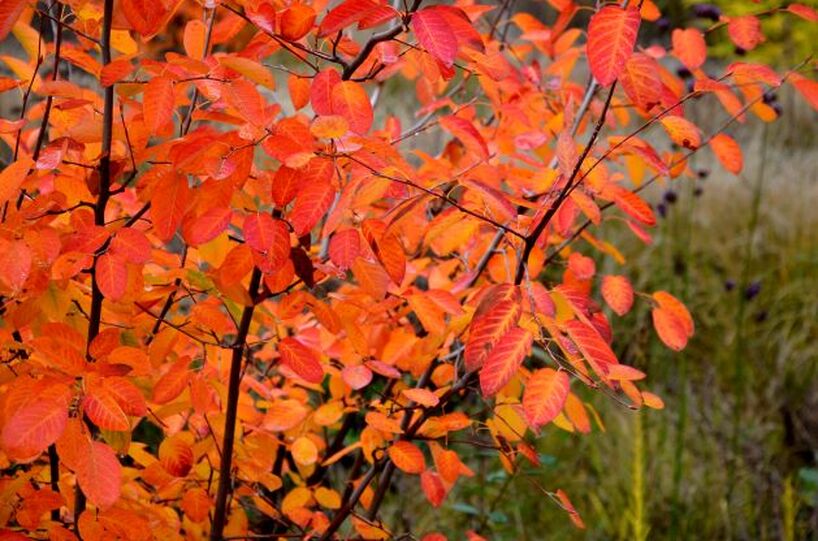
Thank you for reading our article on 10 plants that can improve gardens with poor drainage! If you require landscaping services why not contact us here.
Based in Amersham, we cover most of Buckinghamshire including neighbouring counties. We offer garden drainage services as well as patios, garden walls, new lawns, paths and garden makeovers. We have also recently opened an office in Norfolk. I will also link to some other relevant articles below to help your search.
'As an Amazon Associate I earn from qualifying purchases'
This article contains affiliate links
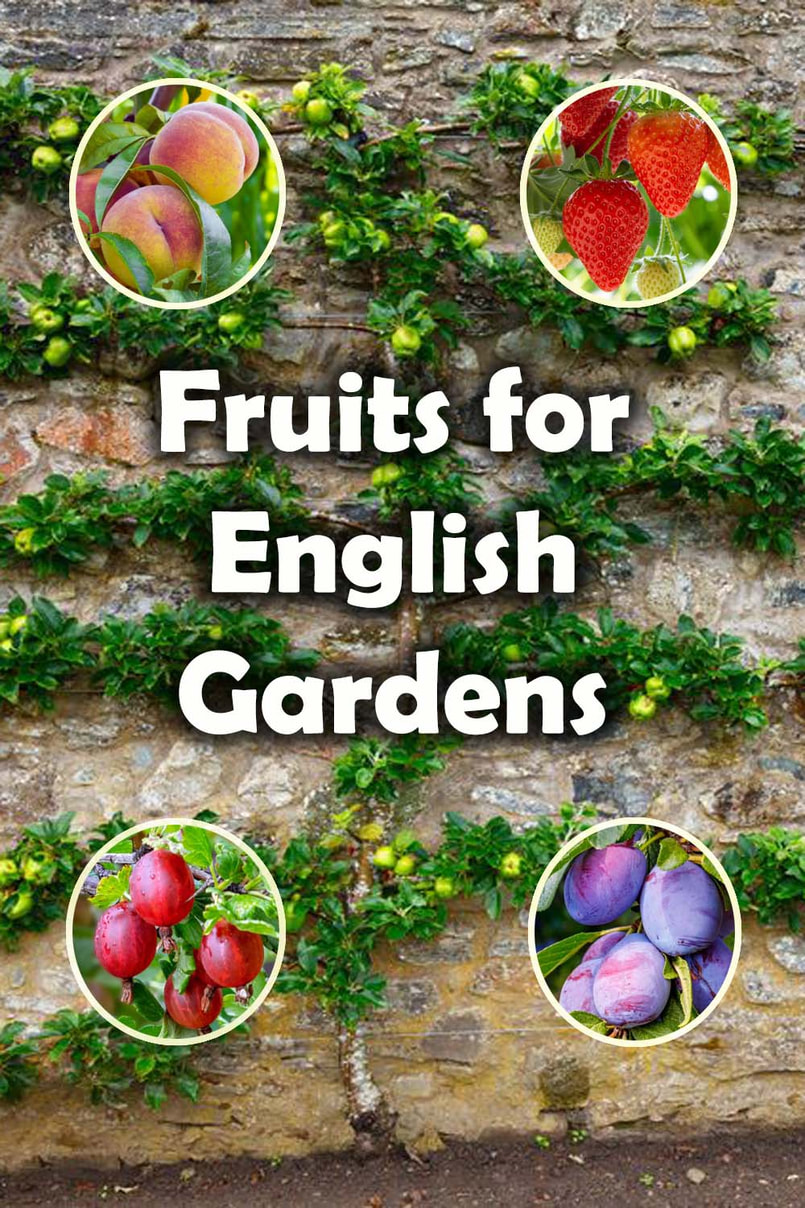
English gardens have had a long history of food production and fruit cultivation. Traditionally it was common place for fruits to be grown up walls and along garden outdoor structures.
During the days of empire, sailors would bring back new and exotic fruit varieties to England. This led to a fascination with growing multiple fruit varieties sometimes from much warmer climates. Such fruits were often grown along the sunny side of warm walls within English kitchen gardens. Orchards also became a typical feature within the traditional English garden. In this article I have listed and summarised 10 fruits most popular and abundant within English gardens. 1. Pears
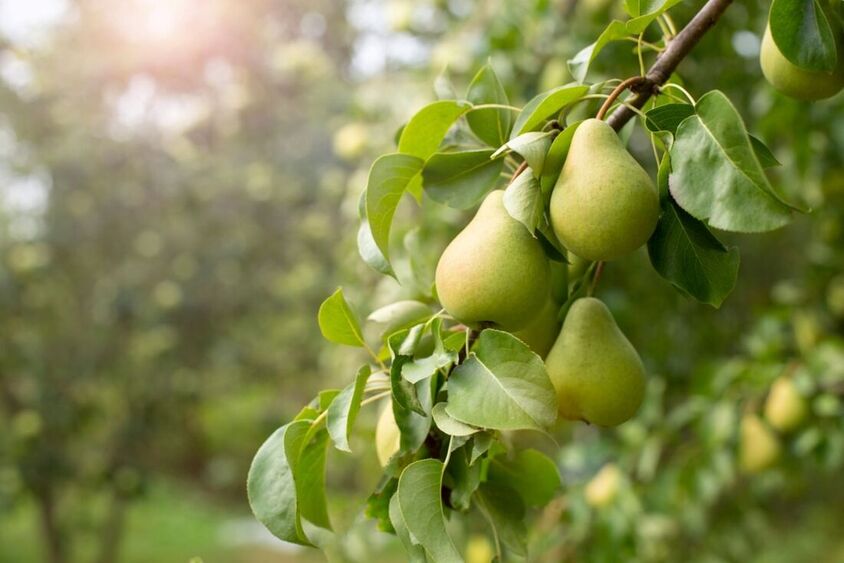
Pears have been cultivated within English gardens for many centuries. Their tasty fruits have been grown along sunny walls, boundaries and within small orchards. These fruits are perfect for making cider, cooking for deserts and simply eating raw. They are perfect for temperate climates and like a sunny well drained position.
2. Medlar
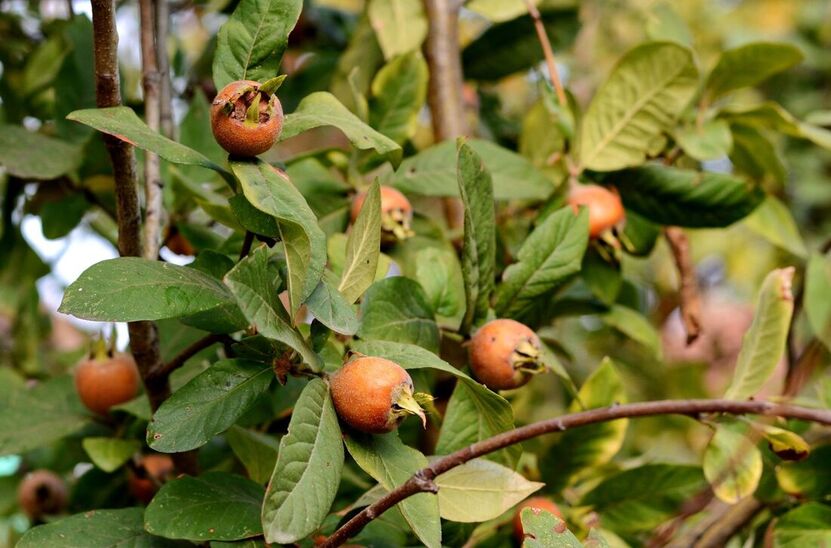
Although less common than many other fruits the Medlar has a historical affiliation with the English garden. These small trees were traditionally cultivated for their compact fruits which are full of flavour. The Medlar fruit ripens much later into the year and if regularly made into Medlar jelly which is exceptional with meat.
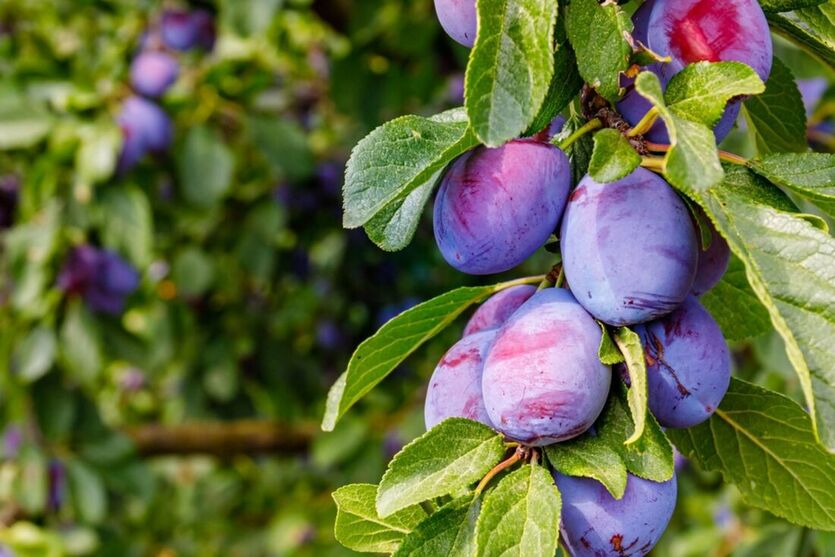
3. Plum
Plums are attractive fruit trees loved both for their delicious fruit and ornamental value. Once established, plums can produce an impressive amount of fruit which is perfect for desserts and also wine making. During the spring these trees erupt in displays of flower blossom which are loved by awakening bees.
4. Apples
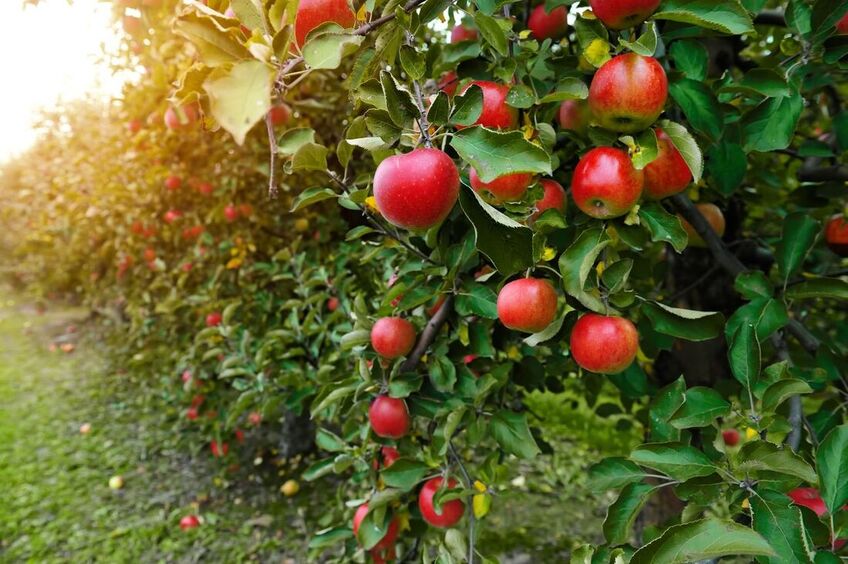
The Apple tree holds a strong significance to England’s horticultural heritage. For centuries this fruit has been bred into specialised varieties ranging from desserts, cider and cooking apples. Being absolutely perfect for England’s temperate climate they are heavy producers! These trees are also very ornamental with stunning blossom!
5. Gooseberries
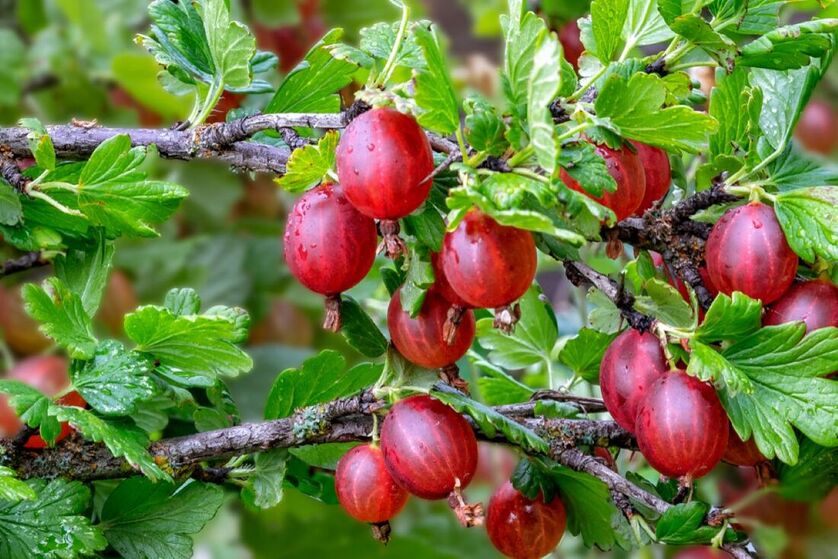
Gooseberries have always grown exceptionally well within England’s lush and mild climate. In English gardens these fruit bushes are grown for their tart flavour and versatility in the kitchen. These berries are perfect for making fruit jams, chutneys and preserves. They also have decorative foliage and very attractive flowers.
6. Figs
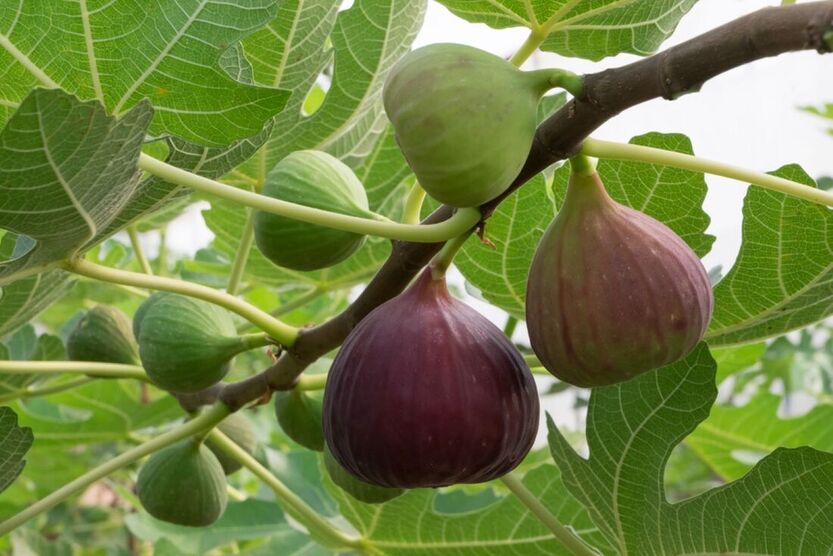
Originally from the Middle East, Figs have been popular in English gardens for centuries. This fruit tree is thought of as a ‘hardy exotic’ happily thriving and fruiting within English gardens. It is very commonly trained against south facing walls to get the very best fruits which are a delicacy.
7. Peach
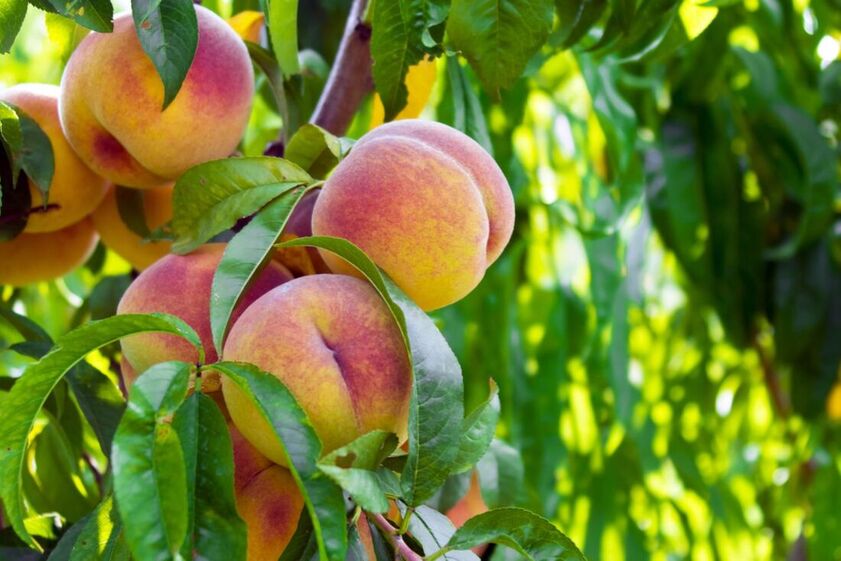
Peaches by no means are straight forward to grow in England but can be successful in the correct conditions. Growing peaches outside has always been thought of as the golden prize for English horticulturists. In English gardens it will need a south facing wall and preferably be grown within a sunny courtyard.
8. Grapes
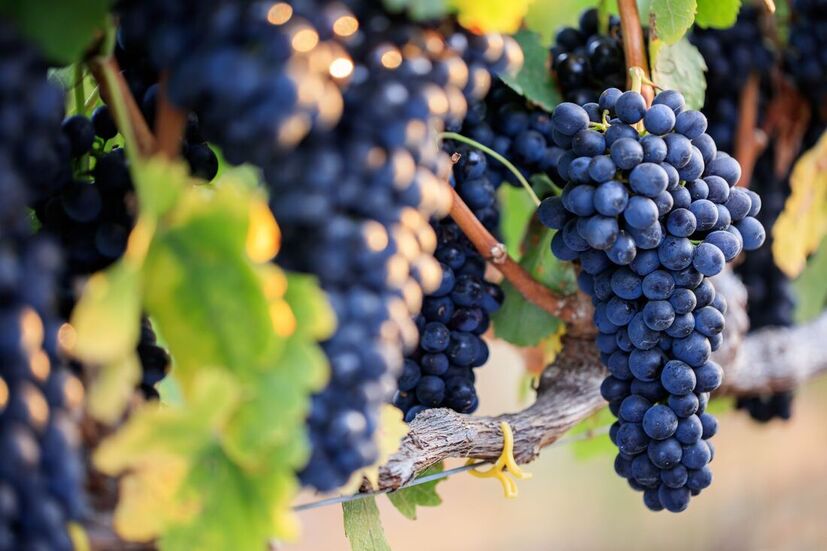
Grapes were originally brought to Britain by the Romans for wine making. These fruiting vines have always been a delicacy not just for wine making but also for desserts. In English gardens grapes are grown along structures such as trellis and pergolas. For the best fruits vines where trained against white walls or inside glasshouses.
9. Raspberries
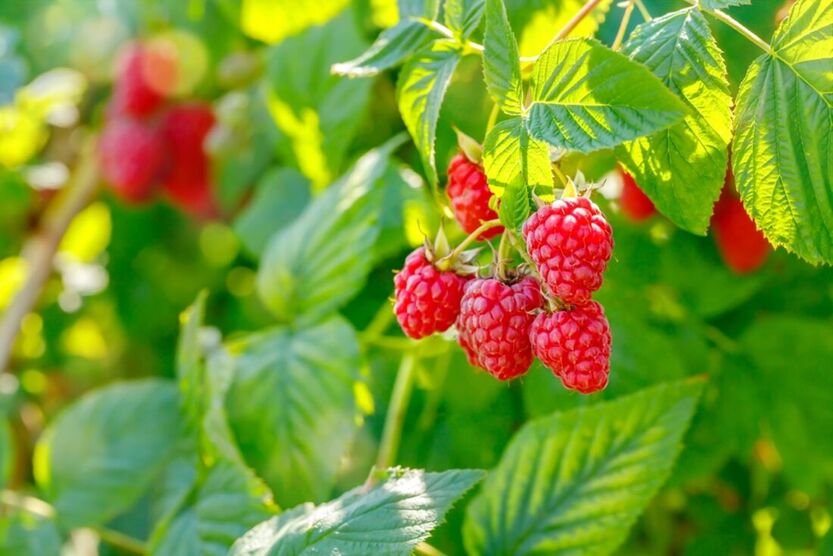
Raspberries are one of the most favourite fruits in England utilised within numerous cakes and other deserts. These perennial fruiting plants are extremely resilient and able to tolerate a range of growing conditions. As English weather is unpredictable this makes them perfect for English gardeners with a sweet tooth.
10. Strawberries
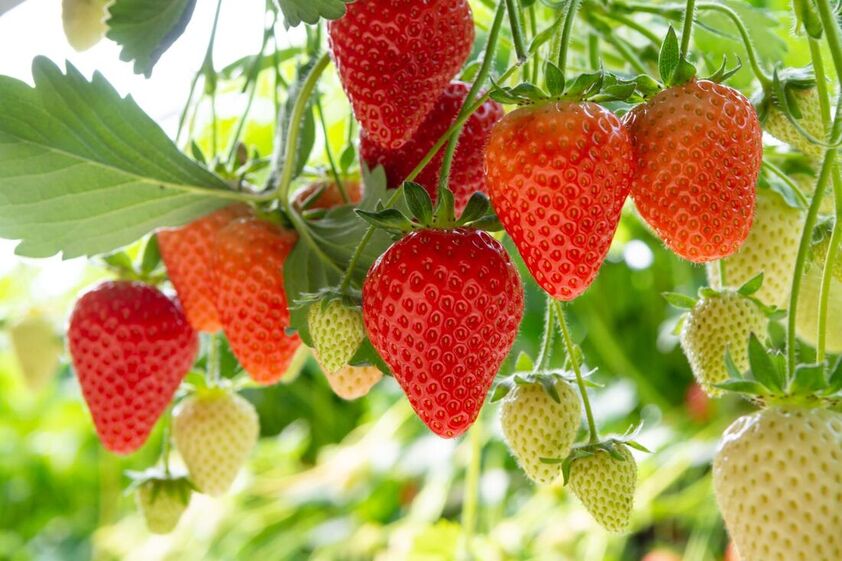
Strawberries are low growing perennial plants highly prized for their large bright red fruits. The fruits are perfect for enjoying fresh with cream or for making jam. These fruits have been grown in English gardens for centuries and also have some ornamental value. They are typically grown in raised beds mulched with straw.
Thank you for reading our article on the 10 best fruits for English gardens! Below I will link to some other articles you may find relevant.
'As an Amazon Associate I earn from qualifying purchases'
This article contains affiliate links
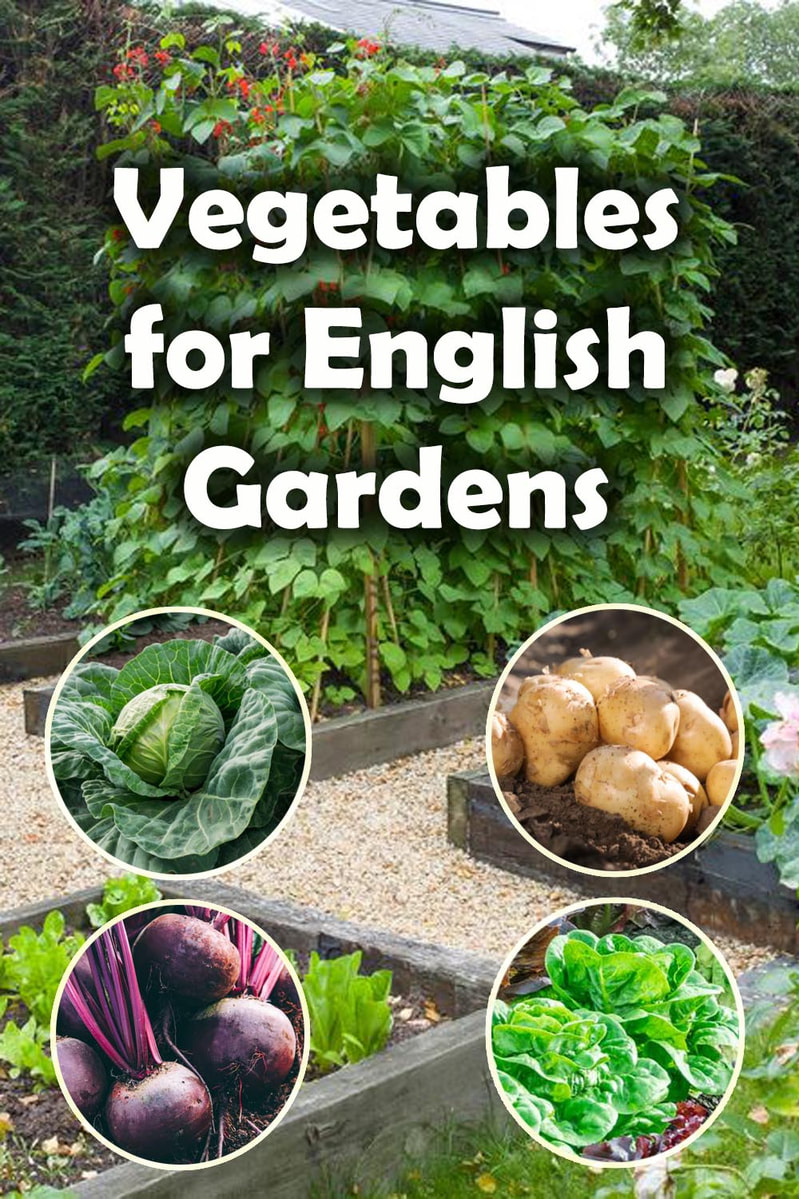
For all of their rustic charm and elegance English gardens have a history rooted in sustenance and crop growing. Some of the earliest English gardens were sheltered, walled gardens where household vegetables were grown for the table.
Horticulture and kitchen gardening has become deep rooted into Britain’s culture over the centuries. From Monastery allotments of the 16th century to the dig for victory campaign of the Second World War. Although famous for dazzling flowers it is often the vegetable garden which are more popular within English gardens. In this article I will list and summarise 10 of the best vegetables for English gardens. 1. Carrots
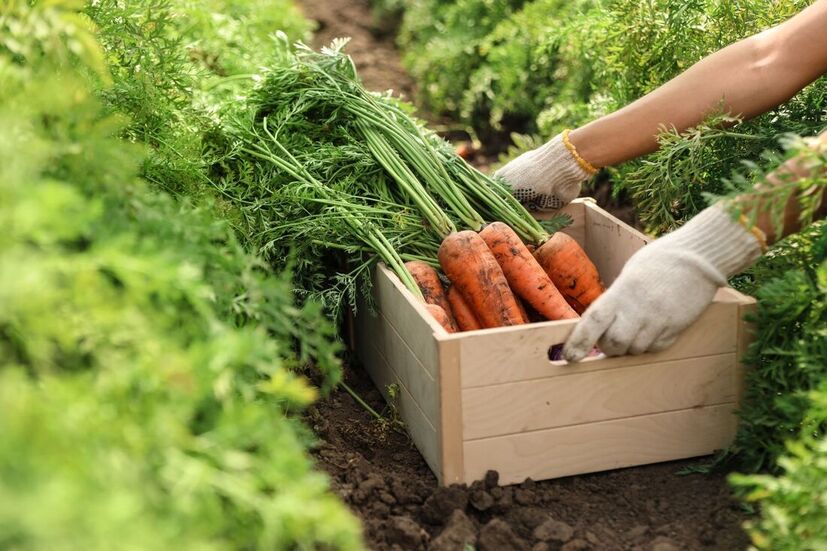
Carrots have long been a healthy staple within the English diet. These vegetables are versatile as well as they are easy to grow. With their feathery green foliage they can look extremely decorative within traditional vegetable borders. They are also one of the most satisfying crops to harvest!
2. Beetroot
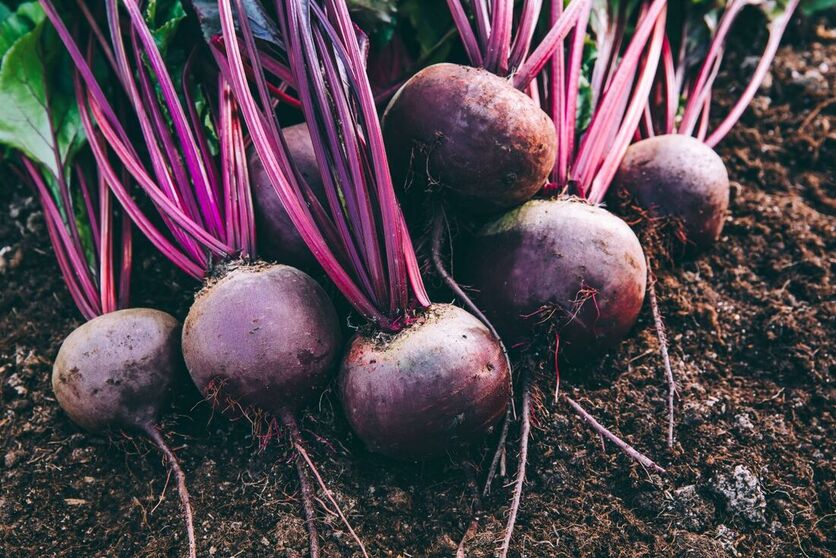
Beetroot is a favourite vegetable within English gardens for its bulb like root and decorative foliage. This vegetable has long been popular for its nutritional value and cold weather tolerance. As well as the root being sweet and delicious the leaves also make a great salad crop.
3. Runner beans
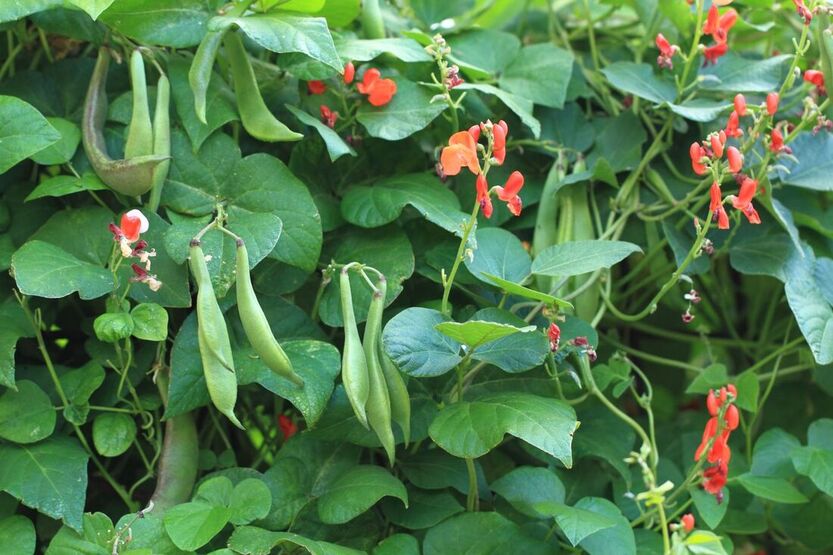
If there was one vegetable which could pass for an ornamental plant it would be the Runner bean. These beautiful climbers have large, heart shaped leaves and bright red flowers. In English gardens they are often grown over tall, tee pee structures made of canes.
4. Cabbage
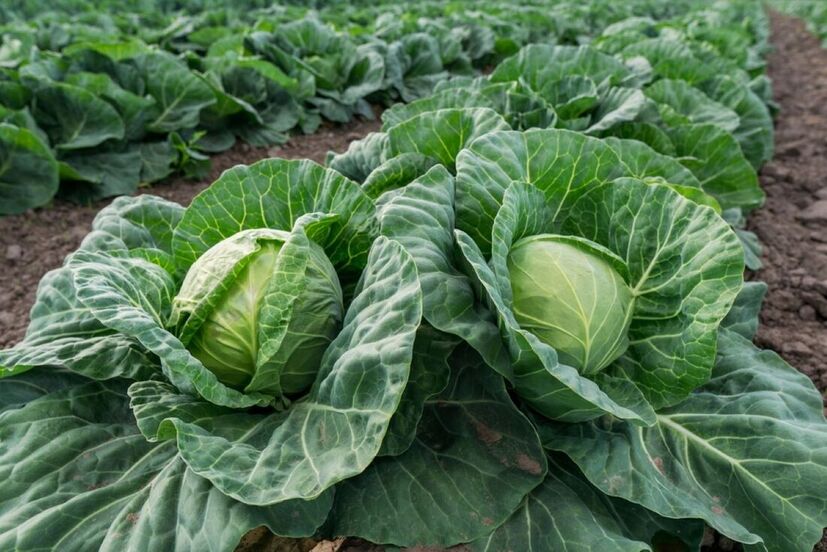
There is probably nothing quite as impressive as rows of cabbage growing in a vegetable border. Cabbage has been grown in English gardens for centuries loved for its densely packed and nutritious leaves. It is a favourite ingredient in traditional stews and recipes.
5. Potatoes
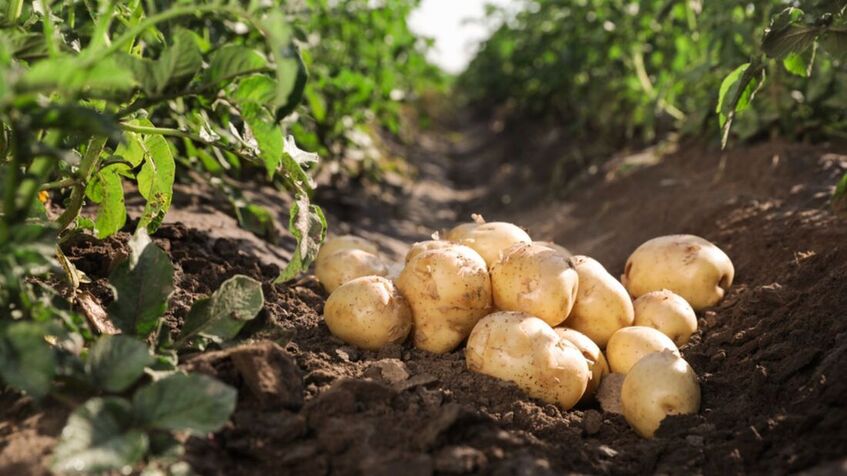
Potatoes have been a staple crop in Britain since they were introduced to Europe in the late 16th century. This fantastic crop became the carbohydrate of choice in farms and homesteads. They are particularly good for growing within raised beds in English gardens.
6. Spinach
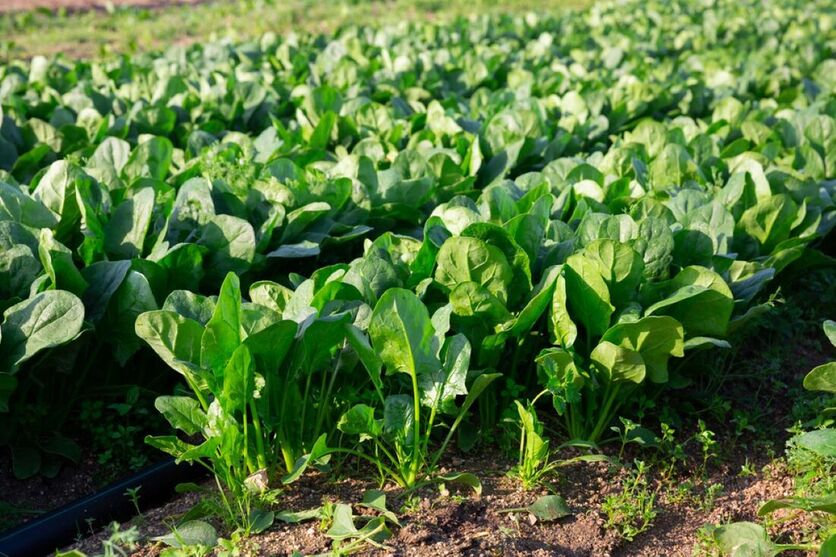
Spinach is an extremely desirable leafy green vegetable for its large, attractive leaves and high nutritional value. Being a cool weather crop it is very suitable for English gardens early and late in the season. It is celebrated both as a cooked vegetable and salad crop.
7. Leeks
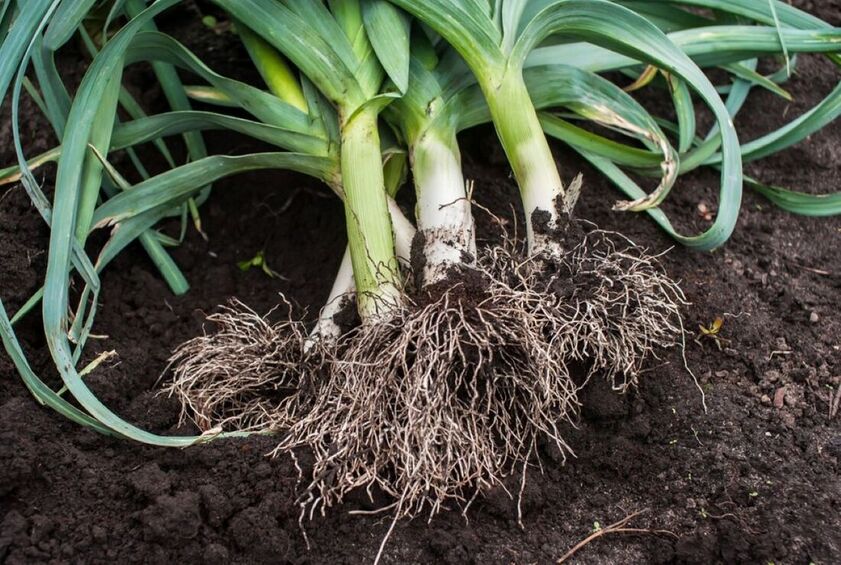
Leeks are a hardy vegetable and very much suited to the temperate climate of Britain. This member of the Onion family has been grown for centuries for its great taste and general hardiness. Leeks look particularly decorative growing in long rows of English vegetable plots.
8. Lettuce
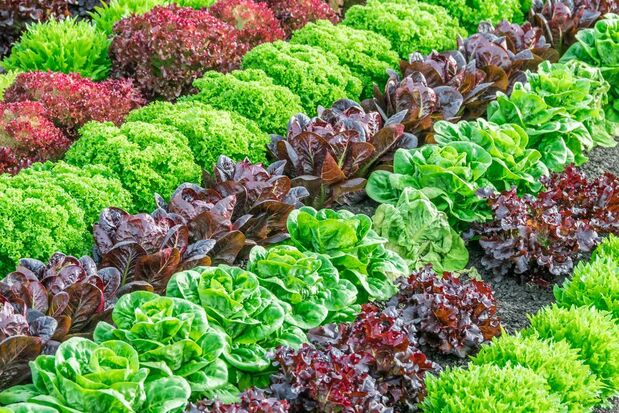
Lettuce is probably one of the first crops visualised when imagining an English vegetable garden. Not only are they tasty salad crops, their multiple leaf shapes and colours make them particularly decorative. They are also very easy to grow they are fast to harvest.
9. Onion
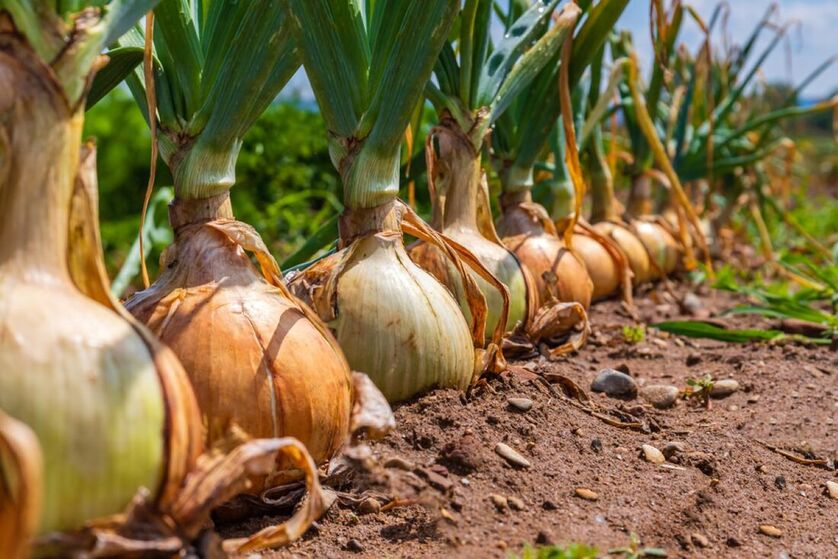
Onions are one of the most popular staples within any kitchen garden. They are especially popular within English gardens and grow well within Britain’s cool climate. Their swollen bulbs can look extremely decorative within English vegetable plots.
10. Parsnips
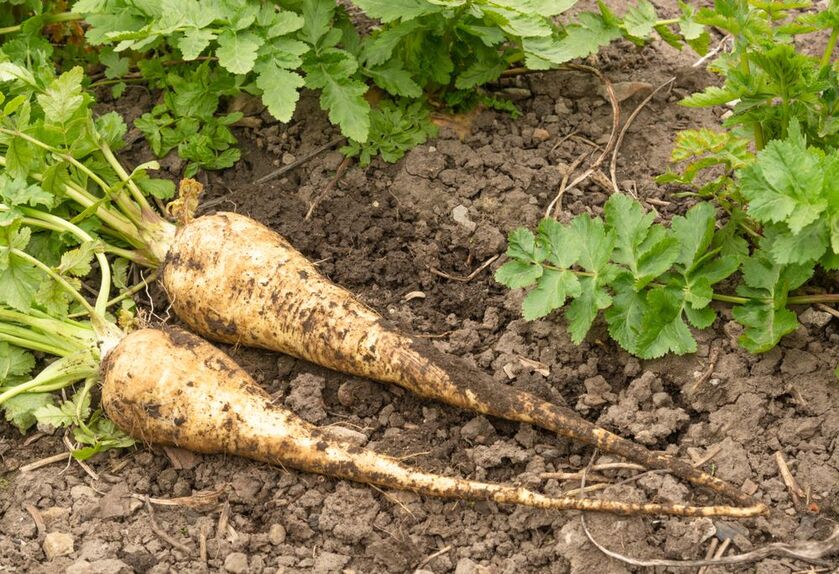
This remarkable root crop is a thing of delicacy during English Christmas dinners and other seasonal roasts. Parsnips are extremely hardy and when established in spring, can be harvested throughout the following winter. Their foliage also looks very decorative!
Thank you for reading our article on English garden vegetables! Below I will link to some other articles you may find relevant.
'As an Amazon associate I earn from qualifying purchases'
This article contains affiliate links
English gardens are world famous for their exquisite planting arrangements and use of seasonal drama!
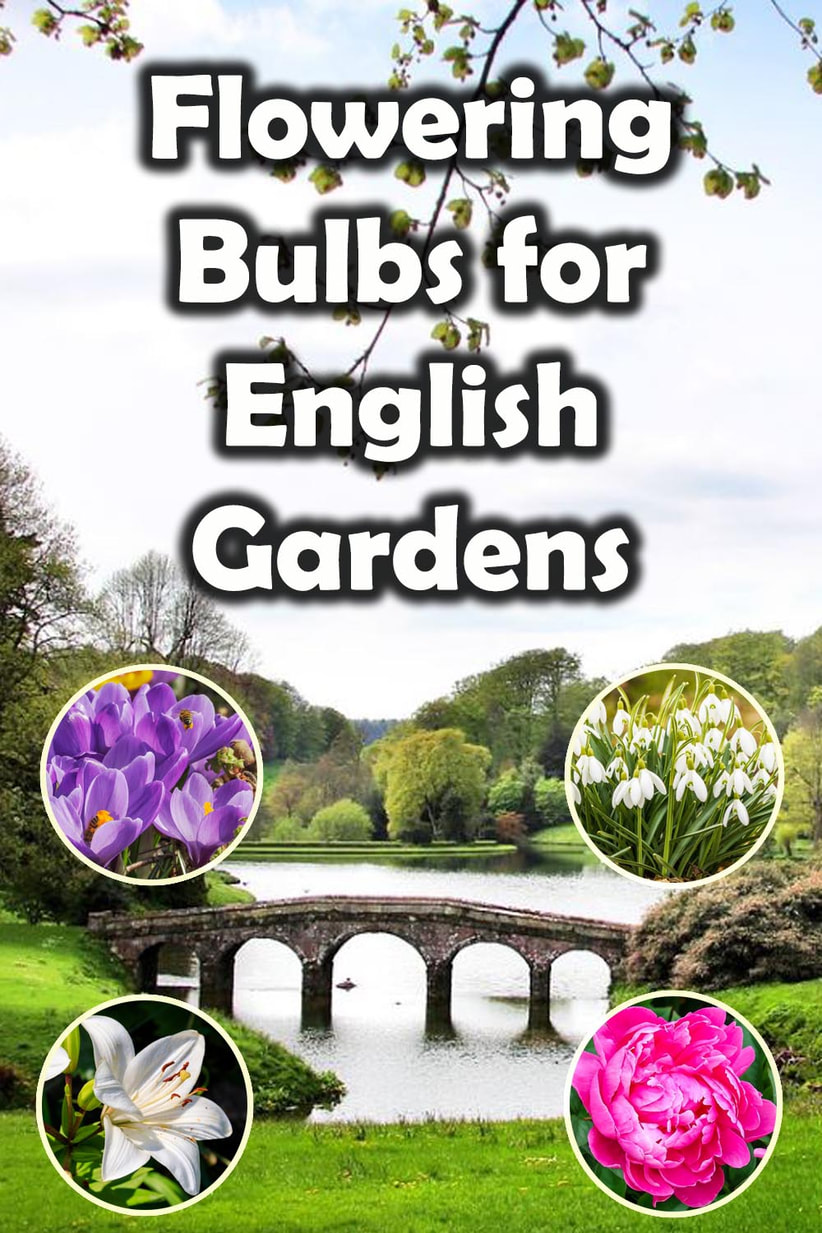
This means flowering bulbs have always been a tactical tool in the English garden designer’s arsenal. This is particularly the case with early flowering spring bulbs which provide the season’s first splash of colour. Subsequent blooms can be experienced with other summer and autumn flowering species. In this article I list and summarise 10 bulbs which are perfect for English garden planting schemes. 1. Snowdrops
When the end of winter draws near, the first delicate snowdrop flowers emerge, adding early interest and charm to English gardens. These hardy bulbs, with their small white blooms and slender green stems, thrive in partial shade and moist soil conditions. This makes them the perfect choice for woodland areas or shaded borders. One of the most exciting aspects of snowdrops is their ability to naturalize, creating beautiful drifts of white beneath trees and shrubs. When these delicate flowers push through the frosty ground, it signals the beginning of spring's arrival, bringing joy and anticipation to gardeners and nature lovers alike. 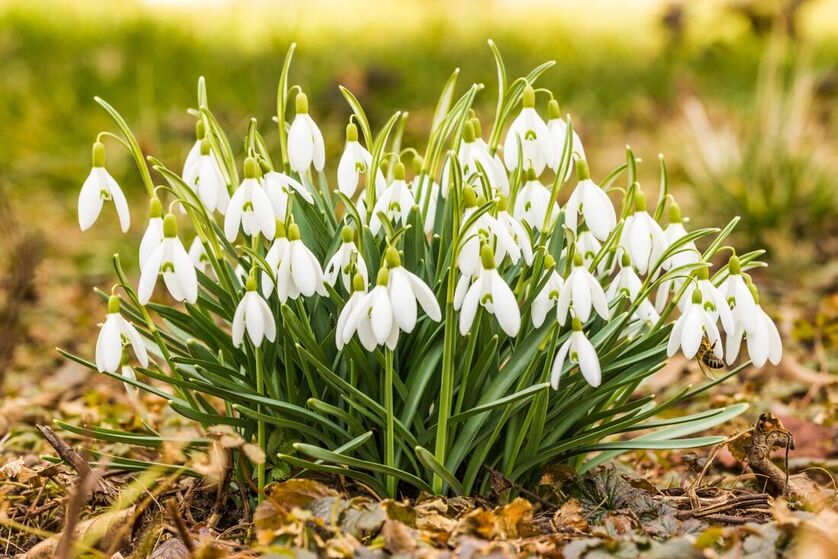
2. Daffodils
Daffodils are the beautiful yellow flowers that signal the arrival of a new growing season. They bring joy and vibrant color to gardens across England. Daffodils can grow well in areas with full sunlight or partial shade. They prefer soil that drains easily and doesn't stay too wet. There are many different types of daffodils with various sizes, shapes, and colors. From small delicate flowers to large showy blooms, gardeners can find a daffodil to suit their taste. To create stunning displays, plant groups of daffodil bulbs close together in garden beds, borders around trees or shrubs. 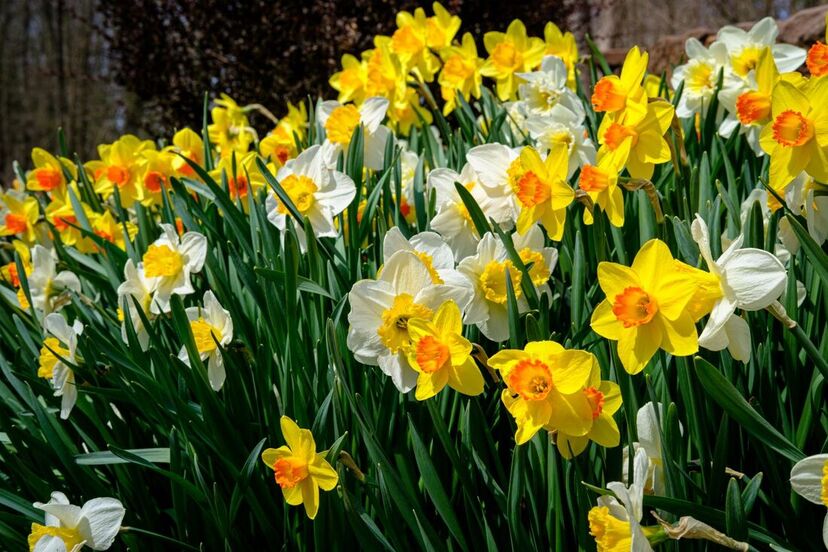
3. Bluebells
Bluebells truly one of nature's magical creations! With their delicate, bell-shaped flowers gently nodding in the breeze, they transform English woodlands and shady corners into scenes straight out of a fairy tale. These remarkable bulbs thrive in rich, moisture-retaining soils, carpeting the ground with a vibrant display of bright blue blooms towards the middle of spring. The English bluebell species, with their charming colors, attract many pollinator species. 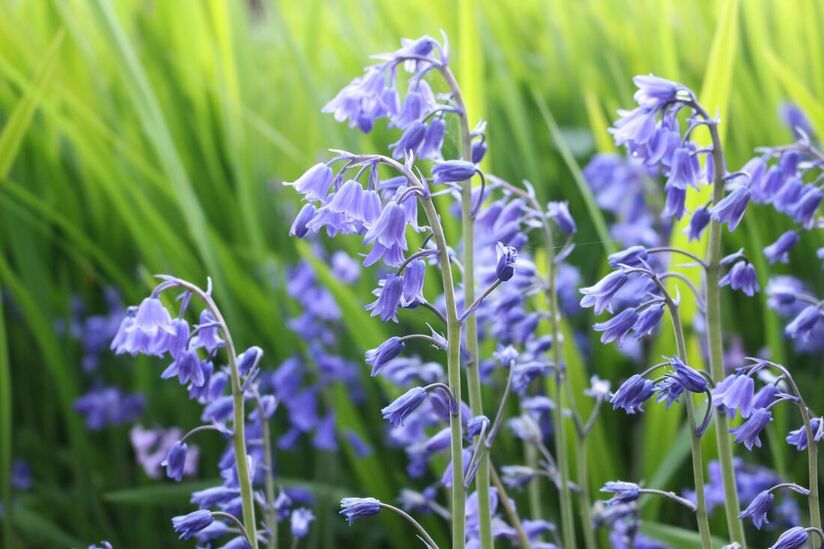
4. HyacinthsAdding a delightful aroma and vivid colors to any English garden, hyacinths are beautiful bulbs that require moist soil and thrive in sunny or lightly shaded areas. The bulbs produce tall spikes adorned with tightly packed florets in a spectrum of shades such as rich purple, soft pink, vibrant red, calming blue, and pristine white. They do well when planted in containers, window boxes, and rockeries, adding a delightful touch of spring beauty. Moreover, they complement other spring-flowering bulbs perfectly when planted together, creating a balanced display of different tones and fragrances. 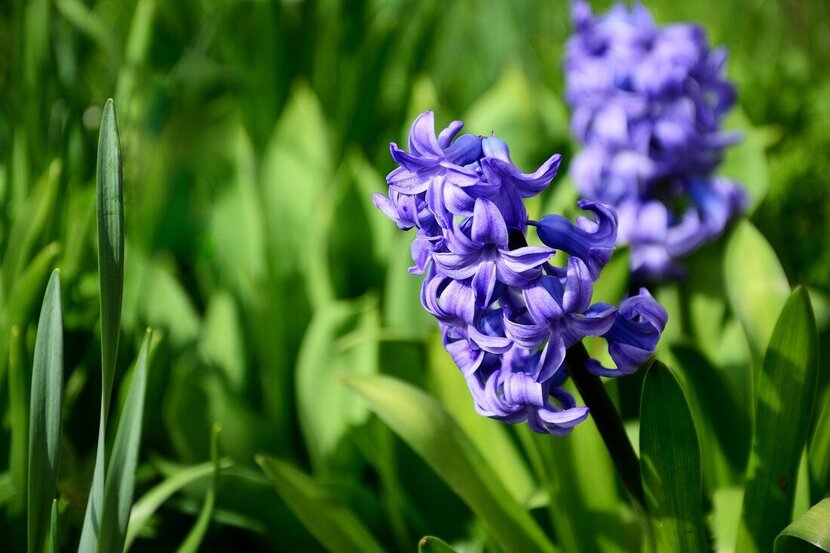
5. Crocus
Crocuses are tiny flowering bulbs that bloom early during the spring season. Their delicate, cup-shaped flowers unfurl their petals on warm days, welcoming the arrival of spring. These resilient little plants require well-drained soil and thrive in both sunny and partially shaded areas, making them a versatile choice for gardeners. Crocuses are among the first sources of nectar for hungry honeybees emerging from their winter slumber, playing a vital role in sustaining these important pollinators. One of the most captivating aspects of crocuses is the stunning array of colors they offer. Gardeners can choose colors, including yellow, white, purples, and stripes to complement meadows, lawns, or alpine troughs. 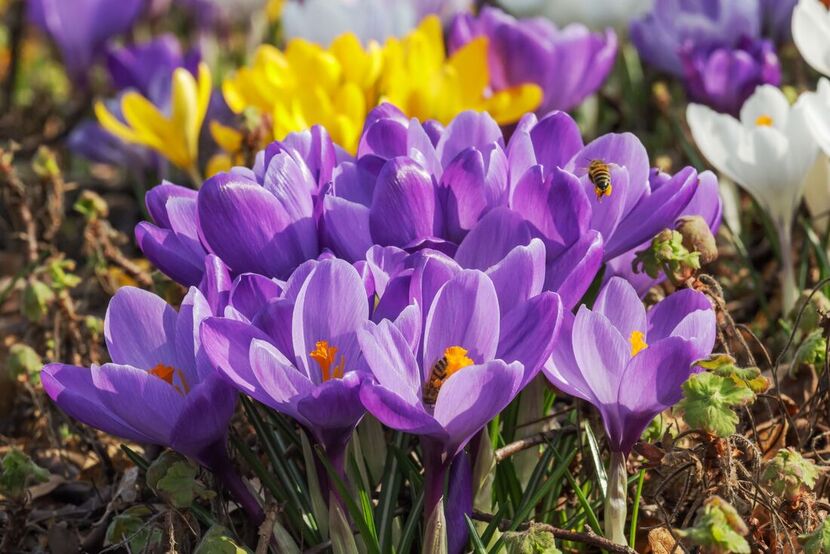
6. Fritillarias
Fritillarias are captivating flowers that can add an air of mystery and architectural elegance to your English garden. These striking blooms are often recognized by their distinctive checkered patterns, with their delicate bell-shaped flowers dangling gracefully above slender, strap-like leaves. All Fritillaria bulbs require rich, well-drained and neutral pH soil, which makes sandy loam the best option. One particularly eye-catching variety is the Fritillaria imperialis, which boasts large, upright blooms on top of sturdy stems. These majestic flowers make an excellent choice for mixing with other spring bulbs, creating a visually stunning early season display! 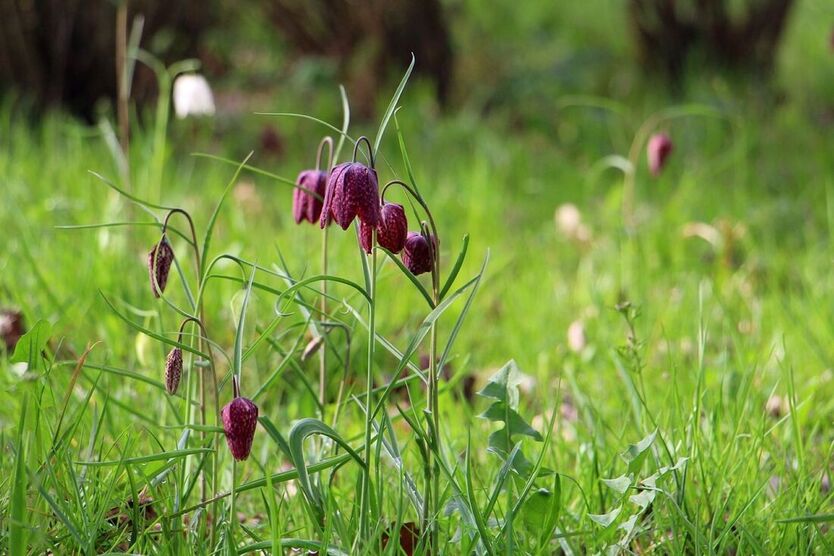
7. AnemonesAnemones are beautiful flowers which bring a touch of romance into any English garden. These charming blooms grow on slender stems and are very suited to rustic English cottage borders. Anemones have tuberous roots and thrive best in soils rich in humus. Two popular varieties of anemones are Anemone coronaria 'Mr. Fokker' and Anemone nemorosa. The 'Mr. Fokker' variety features deep crimson petals surrounding a dark center, creating a stunning and eye-catching display. On the other hand, Anemone nemorosa produces ethereal clouds of delicate white flowers with yellow centers, giving gardens a calming and fantastic feel. 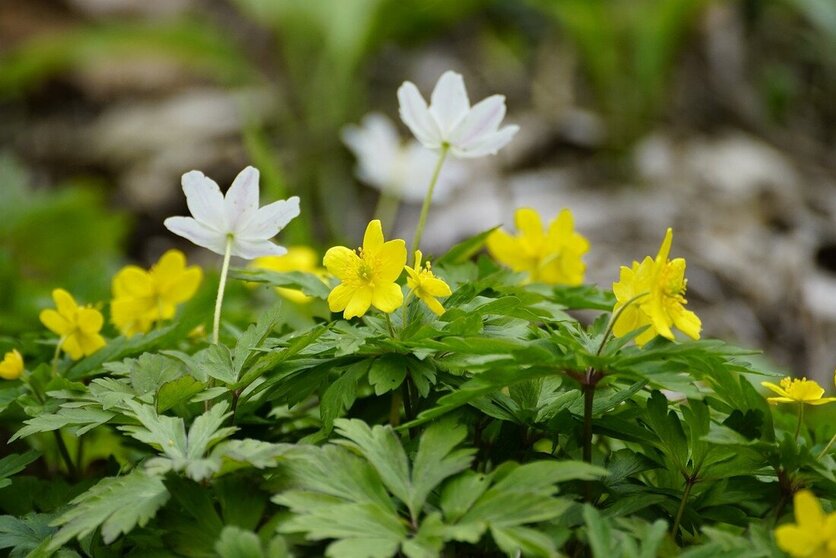
8. Tulips
Tulips are a traditional flower that add a touch of elegance to any English garden. They thrive in fertile, well-drained soil and come in a wide variety of shapes, sizes, and colors. You can choose from single-petal varieties or ruffled parrot tulips for a unique look. The Tulipa tarda, with its golden petals speckled with maroon, brings charm to gravel gardens or when planted along stone walls. Naturalizing tulips provide a long-lasting display which can last for decades. 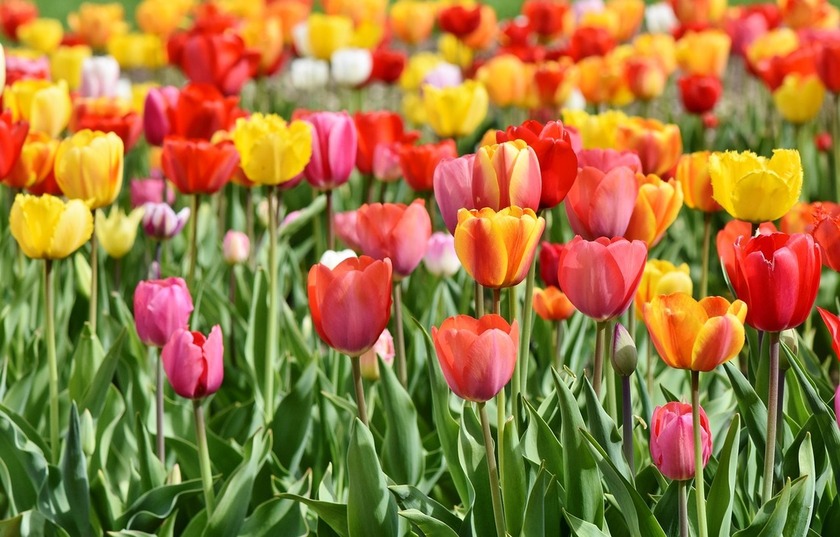
9. Alliums
Alliums are very unique flowers that resemble, round balls on top of tall stems. They are part of the onion family and are easy to grow on most sites. Alliums grow particularly well in regions which have warm summers and cold winters. They like soil that is not too wet or too dry, and the soil should also drain well. After other spring flowers are done blooming, alliums will start to flower and add color borders. Some alliums, like the drumstick allium, only grow about one foot tall. But other varieties can reach up to three feet high. It has to be said, taller Alliums are particularly striking within English garden borders. 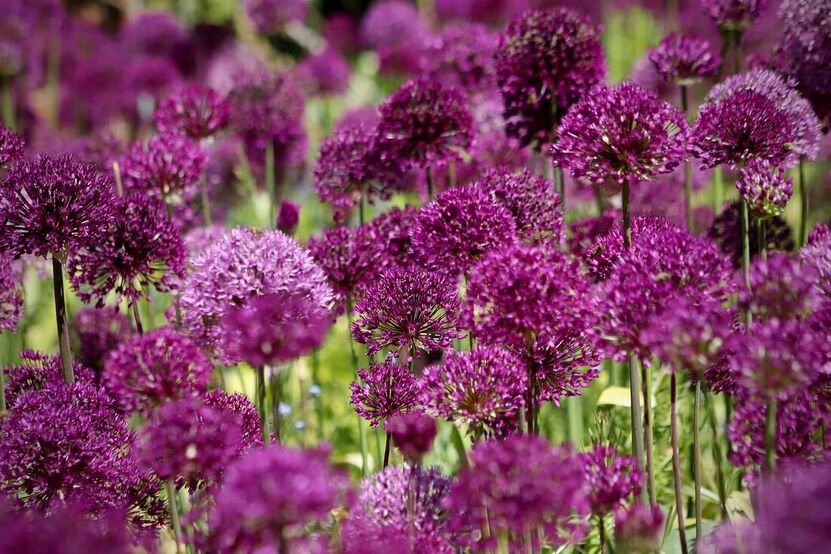
10. Lilies
Lilies are stunning, exotic looking flowers that can make any English garden particularly special! They have an amazing fragrance and pretty, trumpet-shaped blooms! The Regal Lily (Lilium regale) does well in soil that is rich with organic matter that drains well. Its blooms are pure white with ruby red spots, and they emit a sweet perfume during warm evenings. Most varieties of lilies inject a real dose of magic to English garden planting displays. Although seasonally short lived, they create one of the most memorable displays of the entire calendar. 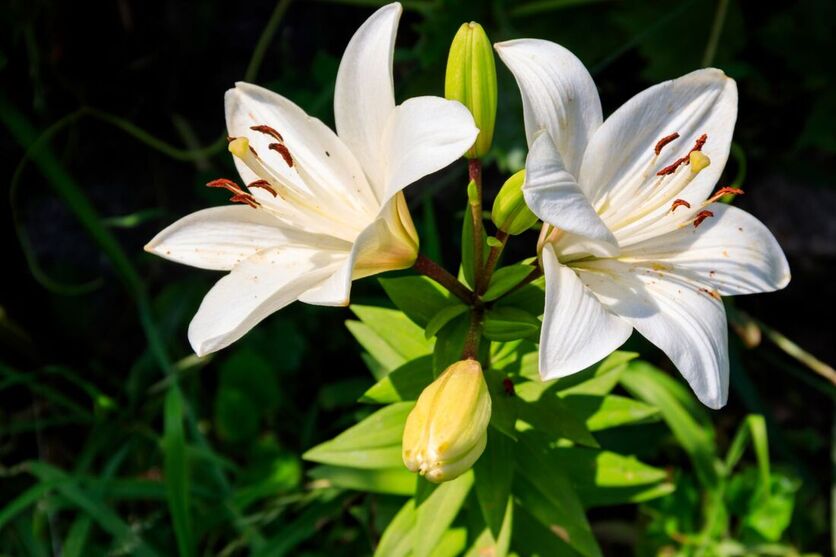
Thank you for visiting our article on the best bulbs for English gardens! Below I will link to some o our other English garden articles you may also find relevant.
'As an Amazon Associate I earn from qualifying purchases'
This article contains affiliate links
When creating an authentic English garden all landscape elements must be considered carefully.
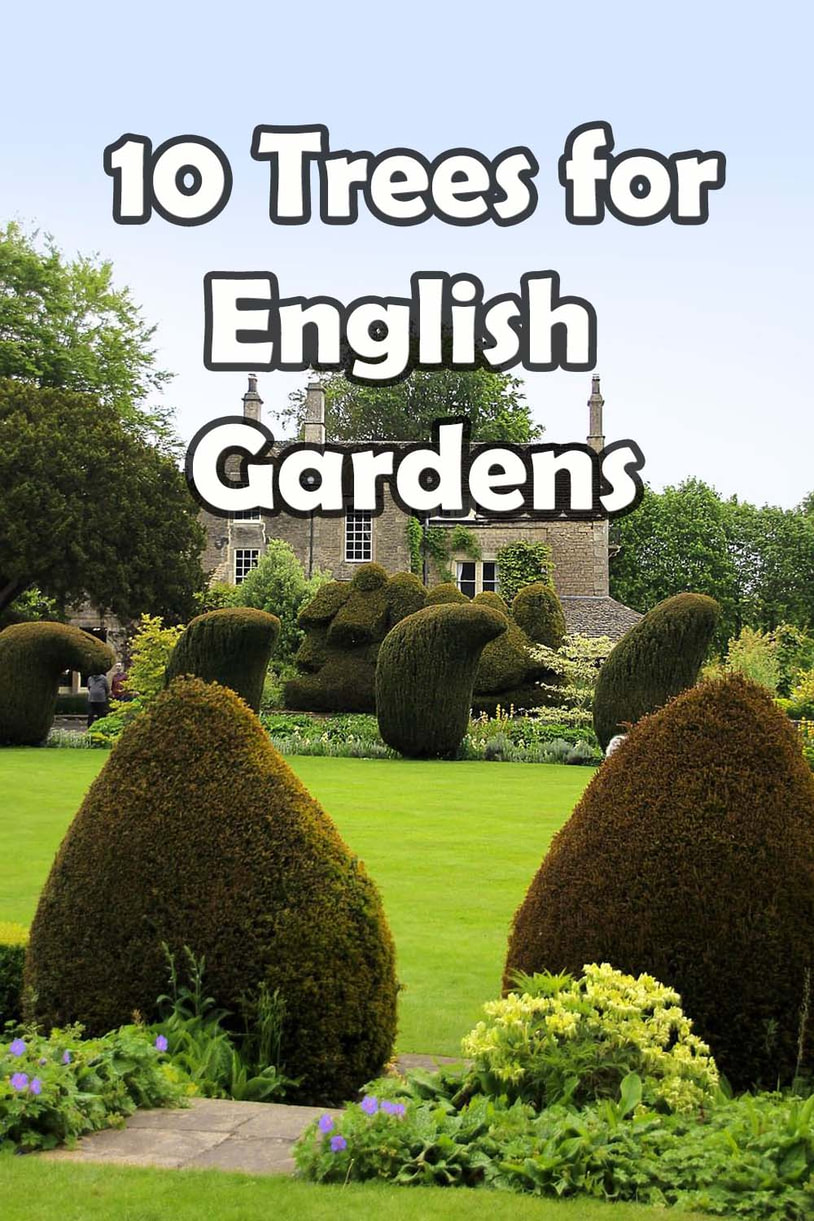
This is particularly the case with trees as they can make up the main structure of the planting design. In English gardens trees provide height and screening as well as fruits and seasonal colour. Trees can also add a functional element helping to define walkways and soften buildings. In this article I list 10 trees which have typically and historically been celebrated within traditional English gardens. 1. Apples
Apple trees have always been a common sight in English villages and rural gardens for centuries. Historically Apples were grown for producing cooking apples and for the fermentation of cider. These fruit trees were highly valued and were eventually bred into many different varieties. Some of the oldest English apple varieties are the tastiest and most versatile. Although a great fruit crop apple trees are also favoured for their blossom and compact form within English gardens. 
2. Silver birch
Also referred to as (Betula pendula), Silver birch trees have been native to England since ancient times. These trees are are especially favoured for their stunning trunks which have a stunning white bark with striped pattern. This tree has a long history of self seeding across Britain as it has light airborne seeds. Although beautiful this tree is extremely hardy and tolerant of most growing conditions. During autumn its small leaves create the most magnificent golden yellow colour. 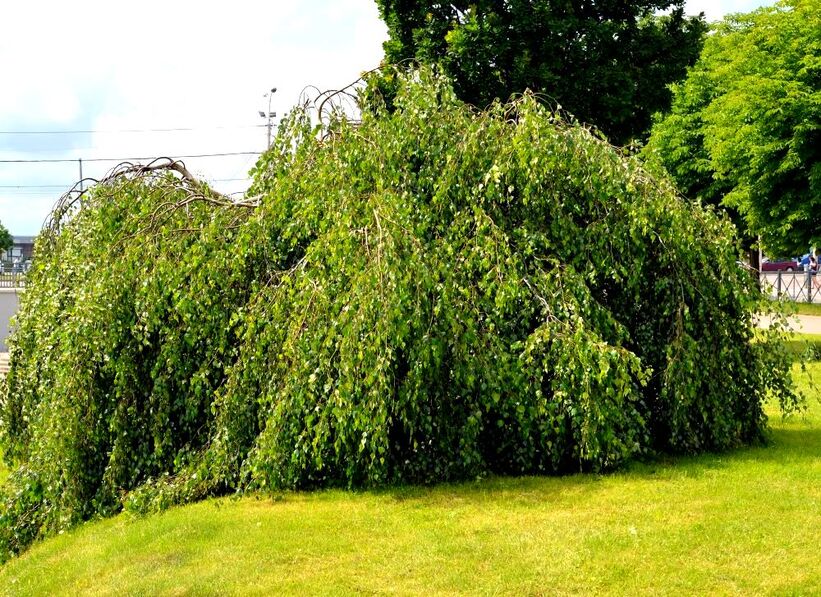
3. Contorted Hazel
Hazel trees have been ingrained within English folklore and legend for millennia. These trees were originally valued for their long shoots which were perfect for making arrows. These trees have also been highly selectively bred in England for their nuts. the cob nut was grown extensively as a reliable nut crop with their orchards being one common. This contorted variety may not be much good for arrow making but can look stunning within a modern English garden. 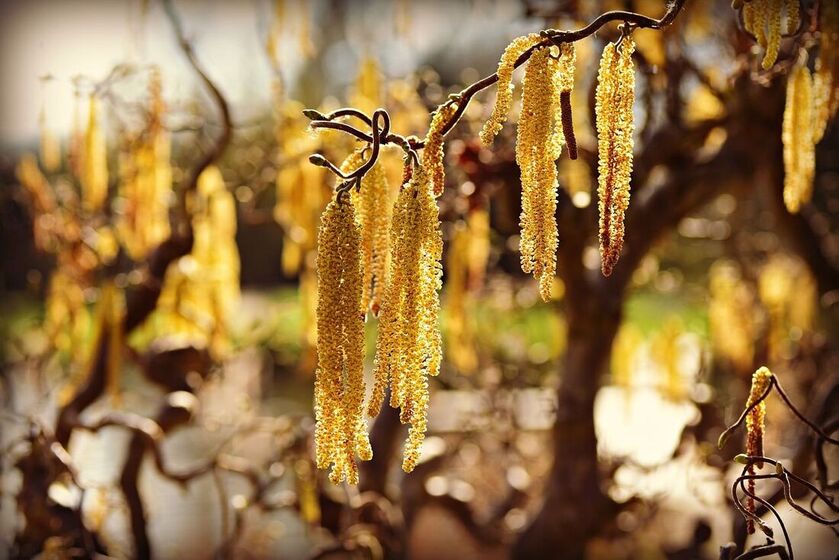
4. Magnolia
Magnolias are famous for their large decorative leaves and stunning scented flowers. These trees are such a novelty piece and often add drama to English garden planting displays. Many English gardens love to incorporate seasonal displays to their planting schemes. This makes magnolias a great choice for decorating focal points and the front of buildings. Their flowers can also provide an exotic touch which has also long been celebrated within English garden designs. 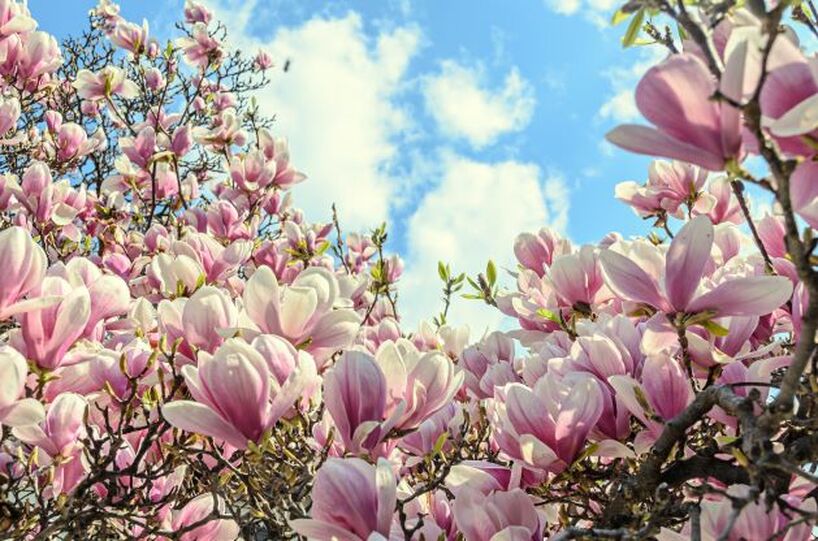
5. Cherry
Cherries are one of the most delicate and sophisticated fruits loved in desserts and for jam making. These small but productive trees have been celebrated within English orchards and gardens for centuries. Cherries were often trained against walled gardens to produce ripe and lush fruits which are still considered a delicacy. Cherries have also been loved historically for their exceptional spring blossom which can be quite ore inspiring!. Their compact size and exceptional good looks make them a must have in modern English gardens. 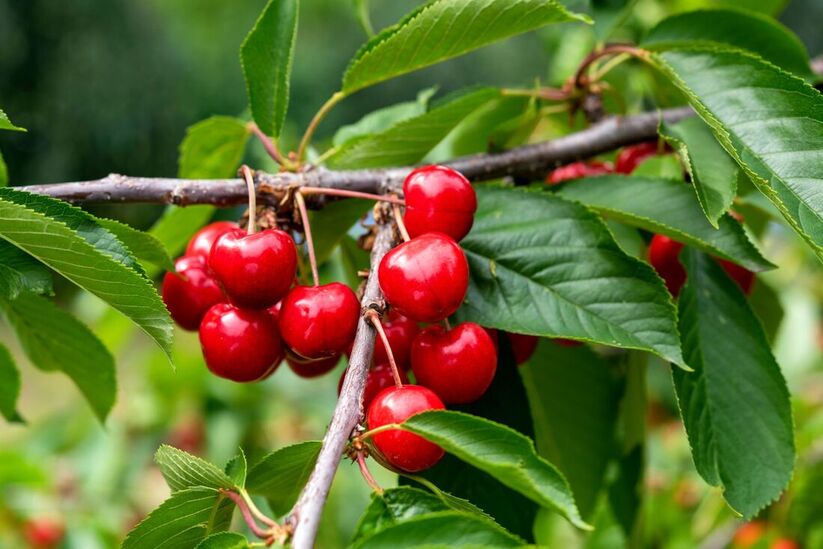
6. Rowan
Also known as the 'Mountain Ash' Rowan trees have long been utilised within English gardens for their resilience and beauty. During early summer these trees produce clusters of small white flowers which create a decorative display. These are followed in Autumn by clusters bright red berries which look radiant and are also prized by local birds. Late in the season the leaves also provides an excellent display of seasonal colour. Rowans are also rather compact and more suitable for smaller English gardens. 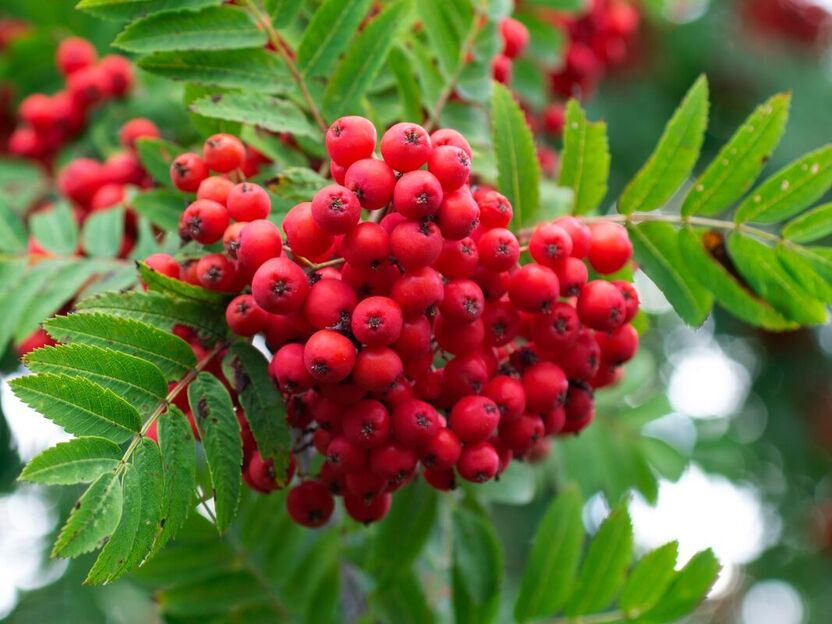
7. OakThe English Oak is one of the most celebrated and iconic trees in Britain. This tree has always been highly valued for its strong and indestructible timber. English Oak was primarily used to build the ships which sailed around the world in search of influence. These trees although slow growing have many attributes including an impressive form and decorative foliage. During autumn they produce thousands of acorns which which are loved by local wildlife. Although large these trees are so iconic they certainly require consideration for larger English gardens. 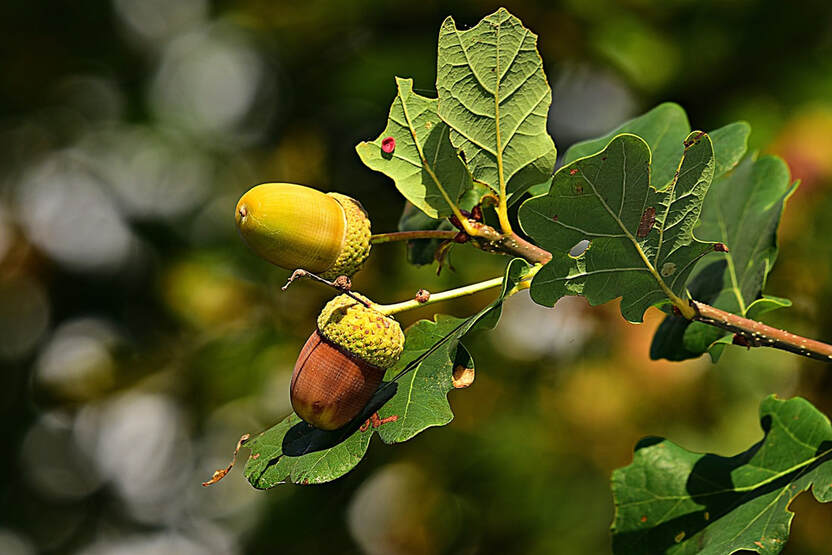
8. Crab apple
Crab apple trees are a wonderful, smaller option compared to standard apple trees. In spring, they burst into bloom with gorgeous blossom displaying tones of pink and white. Their apples may not look as big as traditional apples but don't be fooled! Crab apples are very tasty and can be amazing in juice or for fermenting into cider! In Autumn birds and animals love to feast upon the ripe fruits. The fruits also have a high decorative value within their own right often clinging to stems after the leaves have fallen. 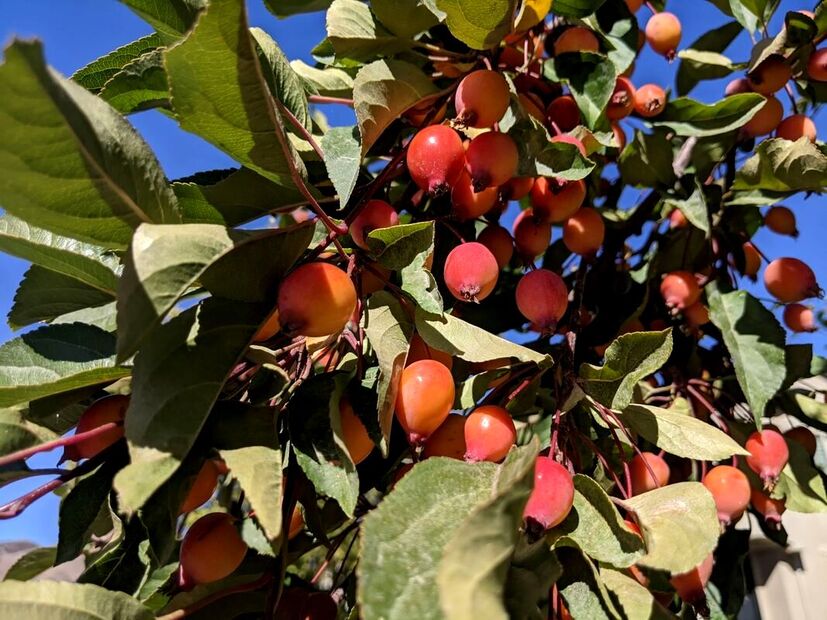
9. Sweet Chestnut
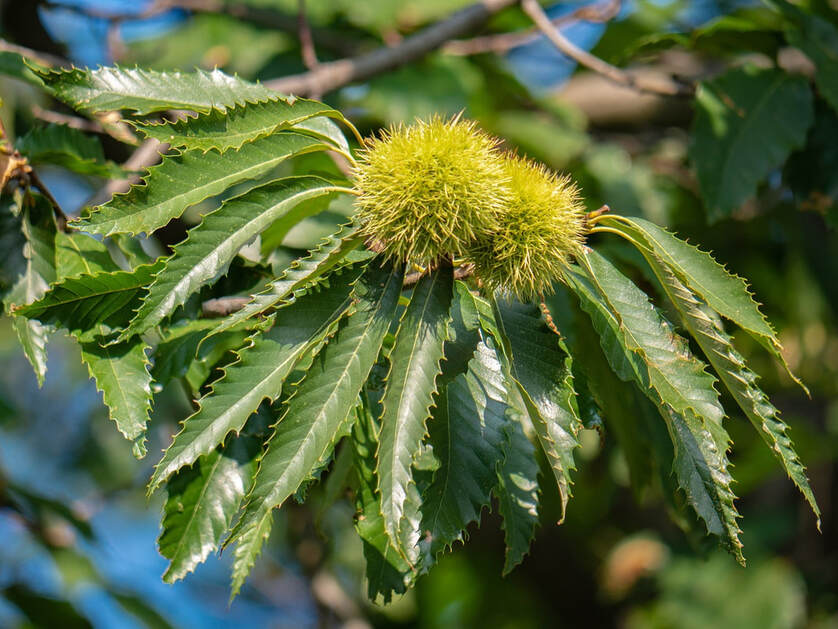
Sweet chestnut trees have featured in large country estates and English gardens for centuries. These trees are very much admired for their beautiful textured bark and romantic form. Originally brought to Britain for their amazing nut crop these trees are beautiful as they are productive. Sweet chestnuts have been used as a building and fencing material in England for many years. This is because the timber is very rot resistant and tolerant of outdoor conditions. This tree also makes great hedging and is perfect if you want edible nuts in your English garden.
10. Willow
The willow tree has long been a feature of the English landscape and is often seen on the edge of ponds and river banks. This tree is famous for its weeping and pendulous form and has a love of damp conditions. Although Willows do eventually become very large they can be pruned to keep them compact. This is typically done in the form of coppice and pollarding. These trees can be a great way to create screening or block bad views within English gardens. 
Thank you for reading our article on 10 of the best trees for English gardens. Below I will link to some other articles you may also find useful.
'As an Amazon associate I earn from qualifying purchases'
This article contains affiliate links
If there is one thing imagined when contemplating English gardens it is large borders full of colourful, flowering, plants.
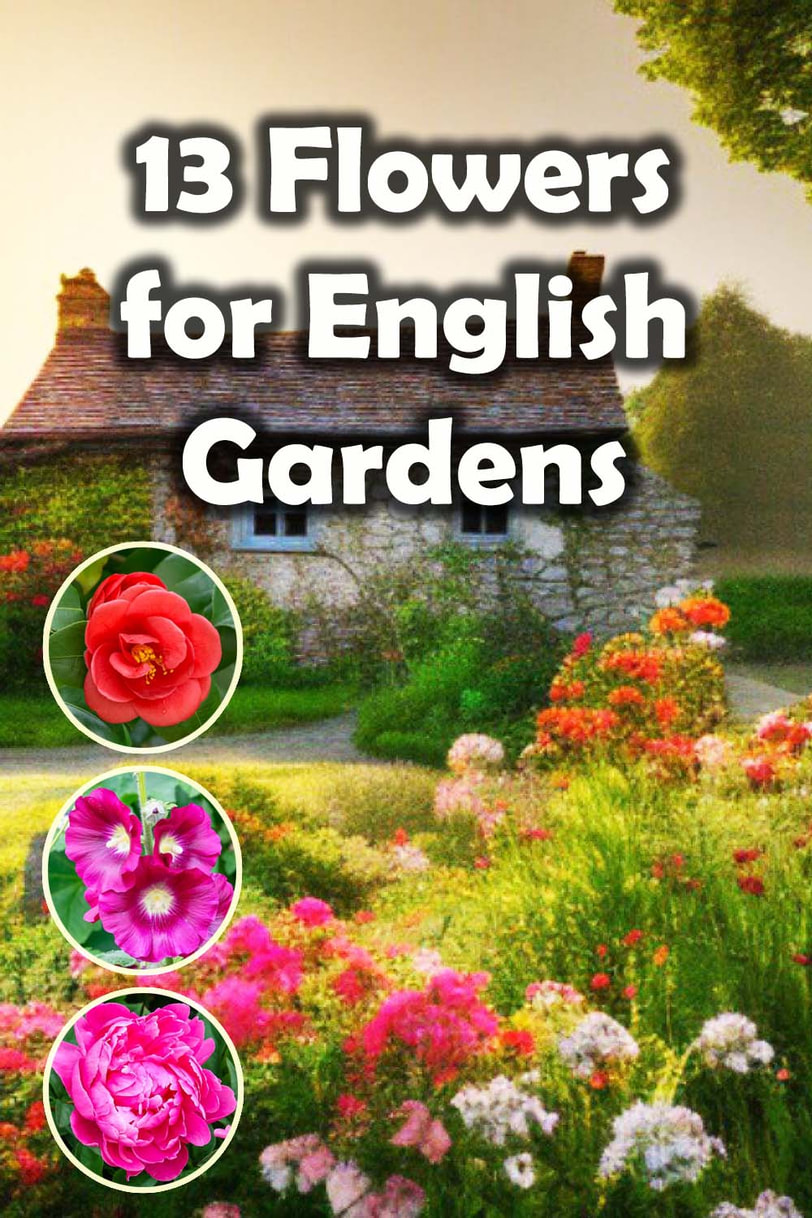
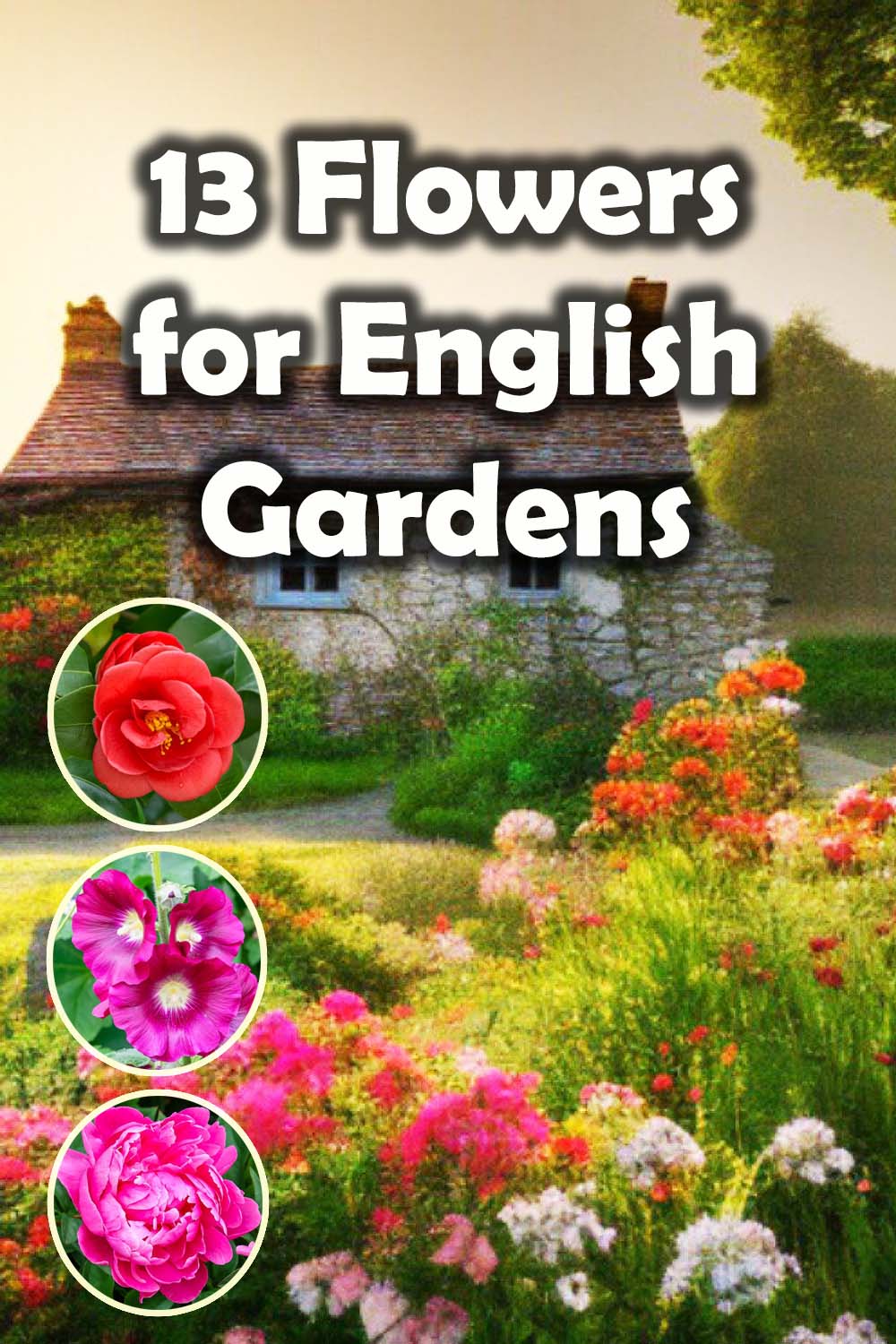
English gardens are famous for their decorative planting displays and rich borders full of radiant blooms. When choosing the best flowers for English gardens there are a multitude of factors to consider. Getting the correct colour combinations and seasonal succession of flowers is paramount. You may not be a world class English garden planting designer but you want the best flowers for your project! That is why I have picked 13 of the most classic and popular flowers for English gardens here! 1. Hollyhock
Standing tall in English gardens, the hollyhock is a lovely flower that adds a classic old-fashioned touch to English gardens. These stately plants grow tall, with spikes of colorful blooms in shades like red, pink, yellow, and white. Hollyhocks are perfect for creating drama and height along borders and fences. They attract beautiful butterflies and hummingbirds, which are important pollinators. Because hollyhocks drop seeds so readily, they will often spread throughout a garden and fill in empty spaces naturally. This self-seeding quality means hollyhocks possess an inherent ability to self-propagate, ensuring a delightful, naturalized presence within English gardens. 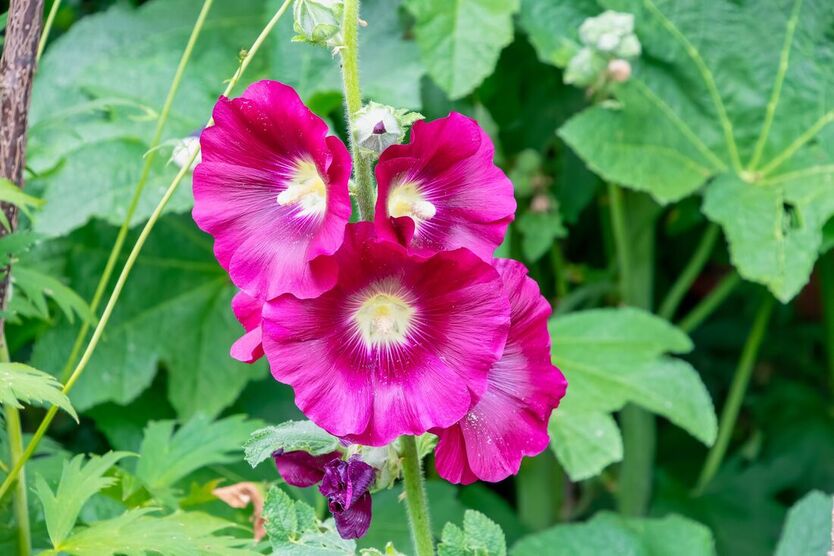
2. Foxglove
Recognized by their bell-shaped flowers, foxglove adds a charming, rustic touch to any garden. It has delicate bell-shaped blooms arranged along tall spikes. Foxgloves typically grow between three to five feet tall. Their biennial life cycle means they bloom and set seed in their second year before dying off. While the most common colors are shades of pink and purple, you can also find foxgloves with yellow or white flowers. These lovely plants thrive in partially shaded areas, making them perfect for spaces that receive dappled sunlight. Foxgloves attract bees, butterflies, and hummingbirds, bringing life and movement to your garden. 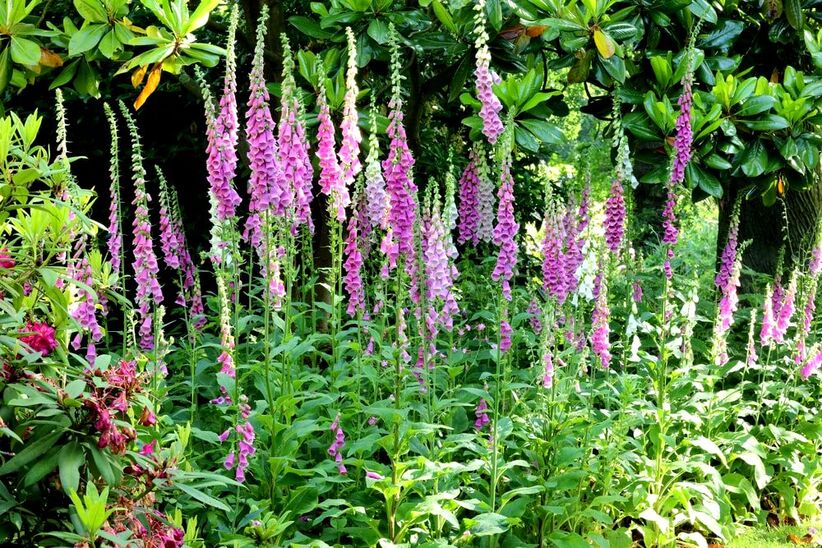
3. Bluebell
The bluebell is a flower that grows naturally in Britain. It has beautiful blue colors that make the ground look like a blue carpet under trees in old forests. Bluebells produce sweet nectar which attracts many insects like bees and butterflies in the spring. Furthermore, these flowers are perfect for planting in English gardens that have trees and shade, similar to old forests. If you plant bluebell bulbs in the right conditions, they will spread and grow more flowers over time. These pretty blue flowers bring joy and color to shady garden areas. 
4. HydrangeaThe hydrangea is a beautiful shrub that blooms with dense flower heads in soft, pastel colors or bold, bright shades. These lovely flowers have many small petals that come together to form a large, round cluster. Hydrangeas are very charming and give a romantic look especially to English gardens. These hardy shrubs grow best in partial sunlight and rich, well-drained soil. You can plant them in many different settings – as a hedge, a single specimen plant in your yard, or even in a large container on your patio or deck. One of the great things about hydrangeas is that they are generally not fussy and have a long flowering season. 
5. IrisExhibiting different shapes and colors, the iris is a remarkable flower that adds elegance to any English garden. With its long, sword-shaped leaves and intricate, ruffled blooms, it comes in many different shapes, sizes, and hues, ranging from deep purples and blues to vibrant yellows and whites. One of the great things about irises is that they are easy to grow and can thrive in a variety of soil conditions, as long as they get plenty of sunlight and good drainage. Some iris varieties even have a lovely, sweet fragrance that fills the air with the scent of old-world charm and nostalgia. 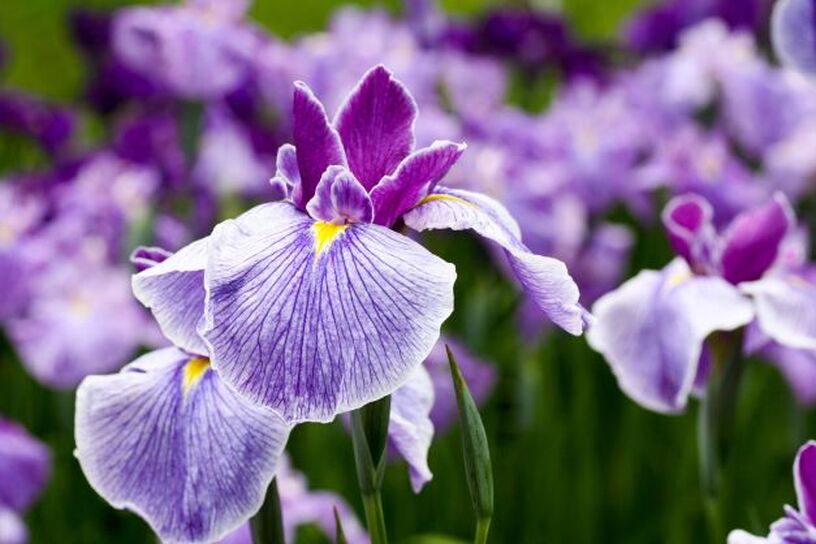
6. LavenderLavender is a beautiful and fragrant plant that is widely recognized as a symbol of the English countryside. With its silvery-green foliage and stunning violet-blue flowers, lavender adds a touch of charm and elegance to any garden. These evergreen plants thrive in warm, dry conditions, making them ideal for planting along pathways, in courtyards, or along the borders of flowerbeds. One of the remarkable features of lavender is its ability to repel pests, while simultaneously attracting beneficial pollinators like bees and butterflies. 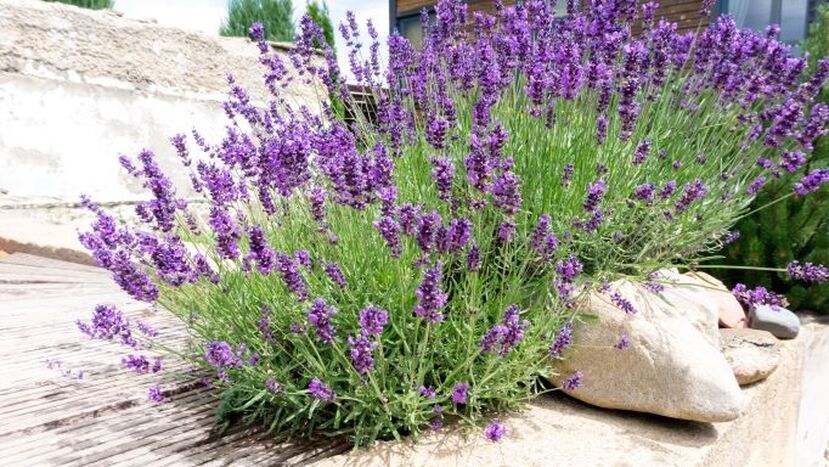
7. Rose
Representing timeless elegance, roses are beautiful flowers that have been a part of English gardens for a long time. They come in different types, like climbers that grow up walls or trellises, ramblers that spread out over the ground, patio roses that are perfect for small spaces, shrub roses that grow into bushes, and standard roses that have a tall stem with flowers on top. No matter what kind of garden you have, there is a rose that will fit perfectly. Choosing rose varieties that are strong and resistant to diseases is a smart idea because it means they will last longer and look pretty without a lot of work. 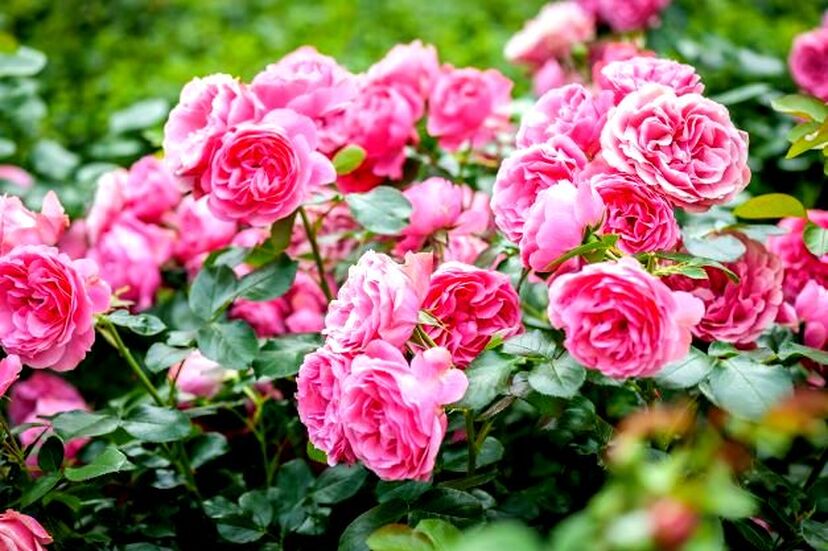
8. Peony
Peonies are beautiful flowers that bring a sense of sophistication and nostalgia. They have big, layered blossoms that bloom on strong stems. Peonies look very fancy and elegant! They grow best in fertile, well-draining soil and need plenty of sunlight. Once planted, peonies can live for many decades. They reward their owners by blooming abundantly every year, bringing a lovely display of flowers. Peonies require some patience, as it can take a few years after planting before they start blooming. However, once established, they are hardy and easy to grow. 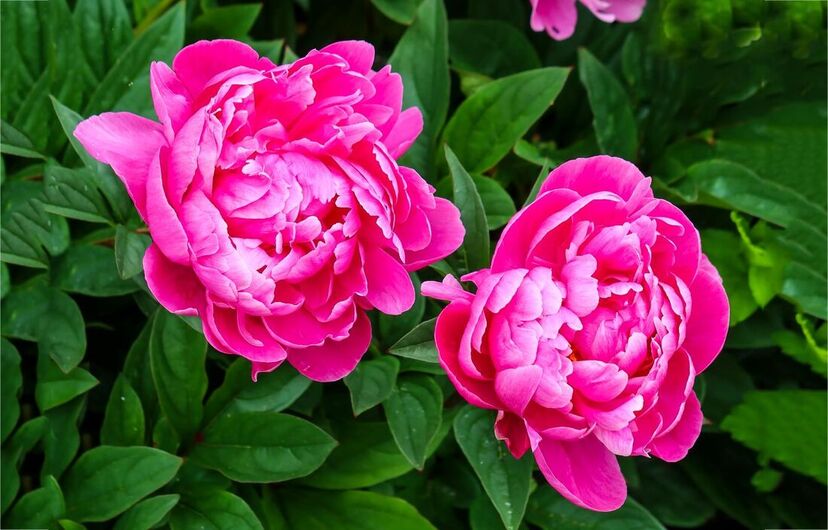
9. Delphinium
Delphiniums are tall, majestic flowers with closely packed, small blooms arranged in towering spikes or spires. They make a stunning addition to any garden, instantly drawing the eye with their vibrant colors and stately presence. Delphiniums thrive in cool climates and require consistent moisture and well-draining soil to flourish. These versatile blooms can be used for both ornamental displays and as long-lasting cut flowers for indoor arrangements. To ensure continued vigor and abundant blooms year after year, it is essential to divide the plants annually. By separating the dense clumps and replanting them, you promote robust growth habits. 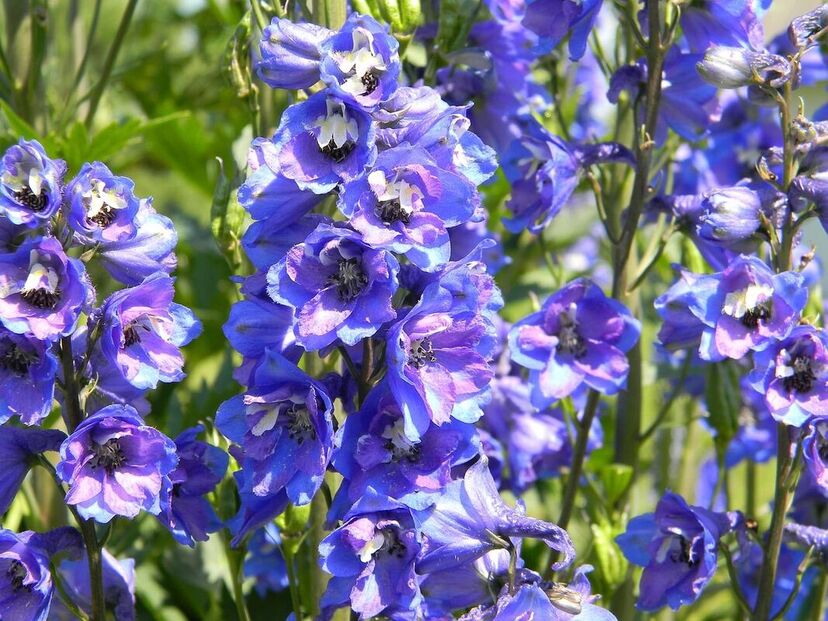
10. Wisteria
Wisteria is a stunning plant known for its beautiful, cascading flowers that hang gracefully from its branches like majestic waterfalls. These pendant racemes, or clusters of flowers, create breath taking displays that drape architectural features and supports, adding a sense of serene tranquillity reminiscent of traditional Japanese teahouses. During the month of May, wisteria bursts into bloom, with Chinese wisteria varieties producing larger flower clusters compared to their Japanese counterparts. However, both types require patience as they can take some time to establish themselves and reach their full glory. These legendry climbers have long been appreciated and planted extensively within English gardens, especially along garden structures To maintain their lush, cascading beauty, wisteria plants are best to be pruned twice a year. 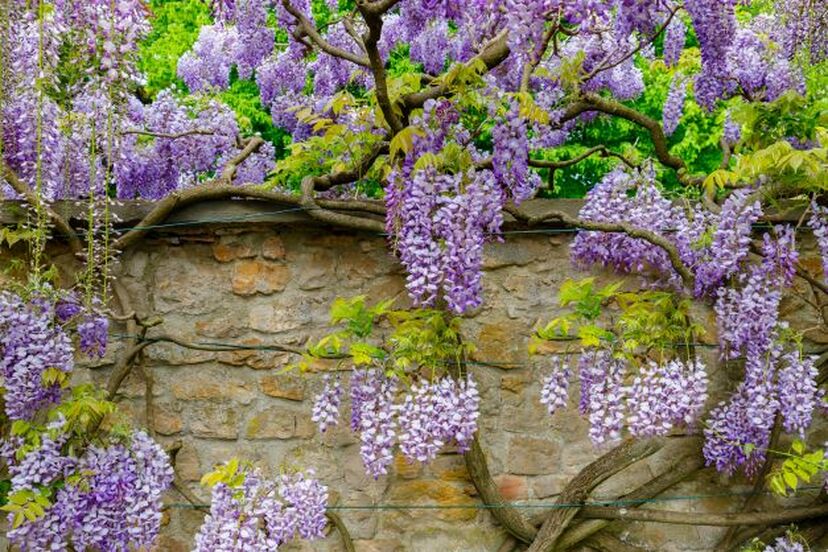
11. Lilly
Effortless to establish and maintain, lilies multiply quickly through bulbs, so you can propagate many new plants within a short time. Lily flowers come in different shapes like trumpets, bowls, or funnels. By mixing different kinds, horticulturists have created lots of new varieties with all sorts of sizes, patterns, and colors. These flowers like soil that is not too acidic or alkaline. They also need enough water. Lilies don't get attacked by too many pests, so they stay beautiful without much trouble. 
12. Primrose
Gentle harbingers of spring, primroses are beautiful little flowers that have soft, delicate petals and grow close to the ground in a circle of leaves called a basal rosette. When you see primroses blooming, you know winter is coming to an end and warmer days are coming. There are now a few different kinds of primroses have special traits with various colour combinations available. However traditional English gardens are best to stay with the classic creamy yellow blooms. Primroses are great for gardens because they gradually spread and grow back every year. Having primroses in your garden helps support other plants and creatures that live there too. 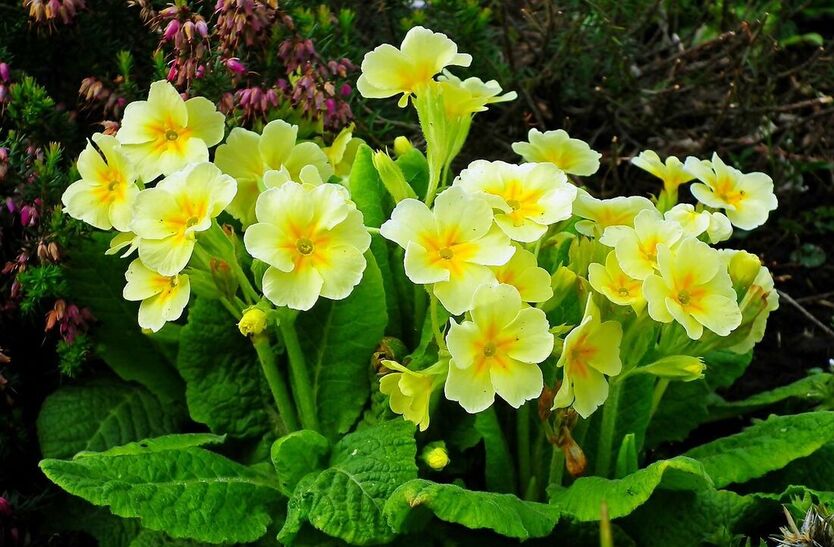
13. AsterAsters are beautiful flowers that bloom during late summer and early fall. They have bright, colourful petals that look like small stars. Many insects, like bees and butterflies, love to drink the sweet nectar from aster flowers. This helps them get ready for the winter months when there won't be as many flowers to feed upon. Asters come in shades of blue, purple, pink, and white. Their sunny, daisy-like appearance and cheerful blooms are the perfect choice for English gardens. These tough, hardy flowers are easy to grow and don't need a lot of special care. They thrive in full sunlight and average soil conditions. 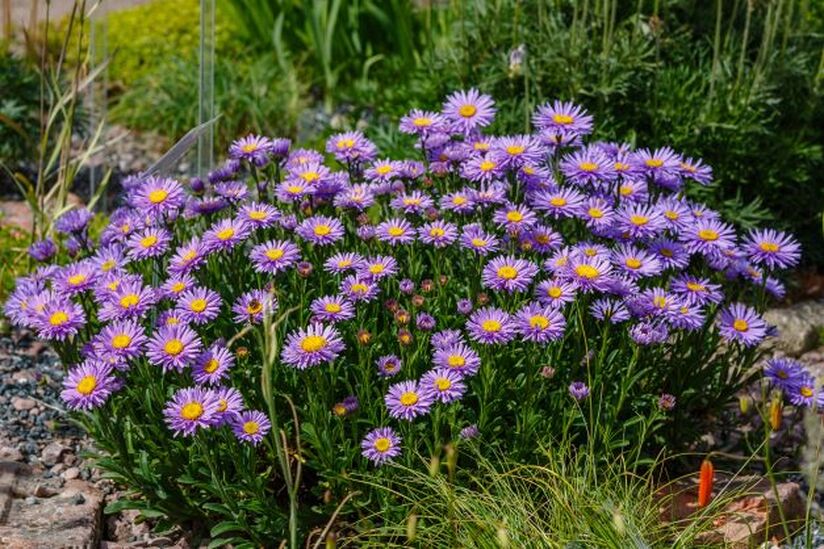
Thank you for reading our article on 13 flowers for English gardens! Below I will link to some other articles you may find relevant.
'As an Amazon Associate I earn from qualifying purchases'
This article contains affiliate links
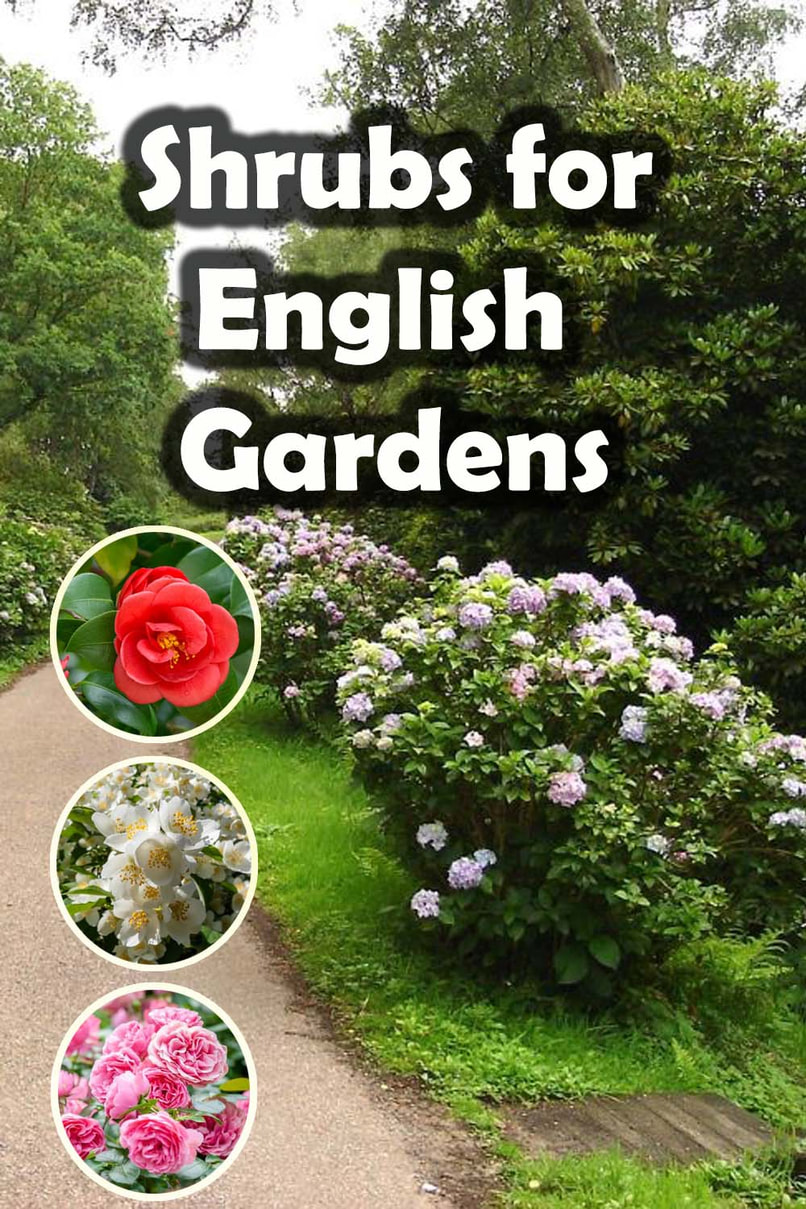
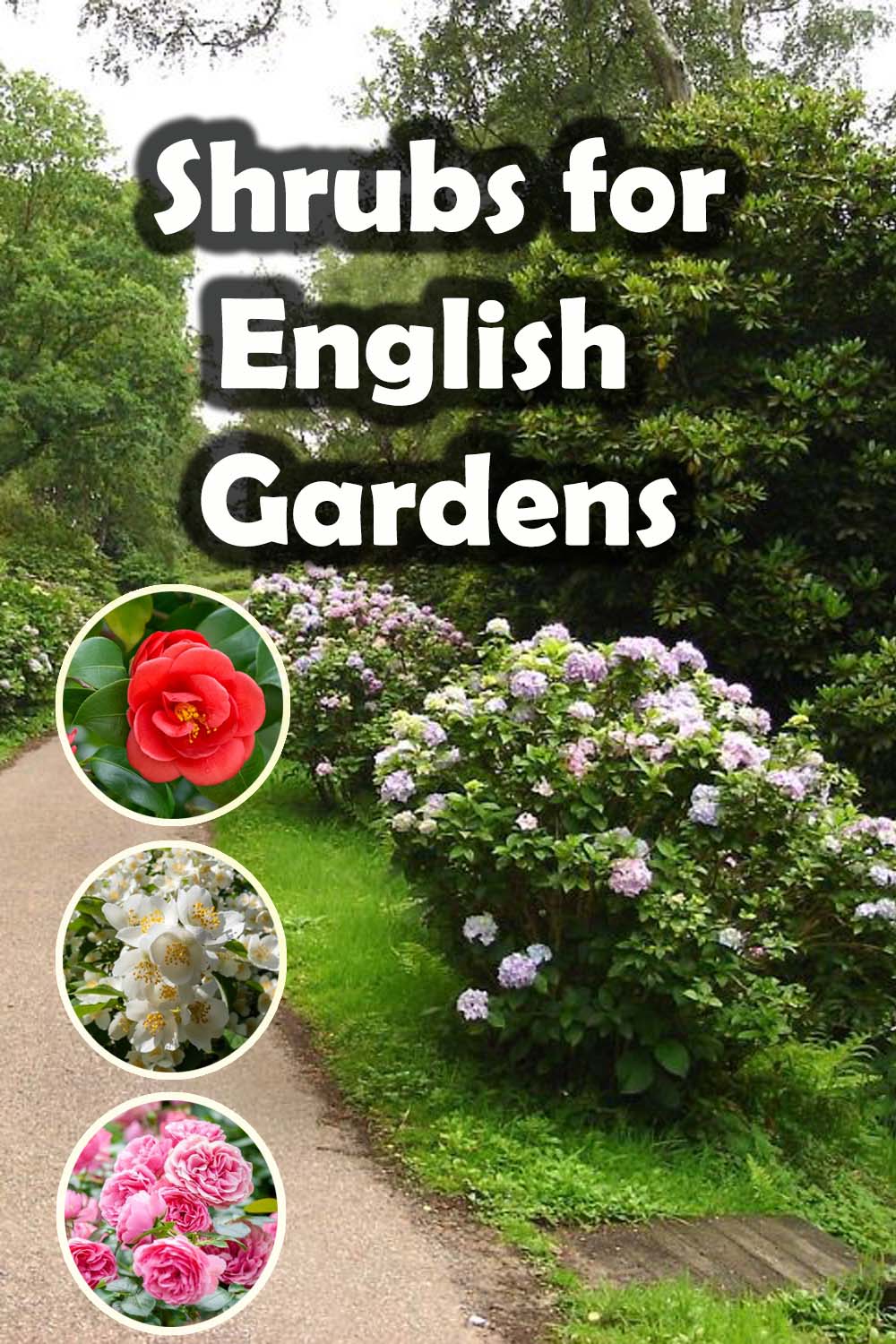
English gardens are world famous for their exquisite planting design and lush green borders. One of the most critical elements of their planting arrangements is the use of shrubs.
Shrubs provide body and structure to a planting design providing plenty of colour and texture. In this article I list and summarise 10 English garden shrubs perfect for your English garden project. 1. Camellias
Camellias, originating from East Asia, bring an elegant touch to English gardens with their glossy evergreen leaves and dazzling flowers. During the late winter or early spring months, their vibrant flowers offer a much-needed burst of color. These decorative shrubs thrive in acidic soil conditions and partial shade, yet they possess the adaptability to flourish in various environments. Incorporating camellias into your garden adds visual depth through a range of textures and forms, enhancing their overall aesthetic appeal. Furthermore, their extended flowering season makes them an invaluable asset for creating stunning indoor cut flower arrangements. 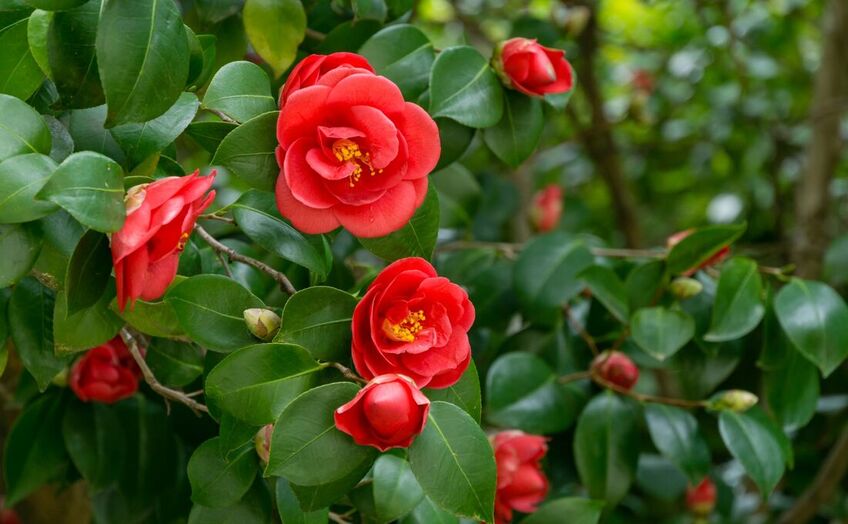
2. Mexican Orange BlossomChoisya ternata, also known as the Mexican Orange Blossom, is a shrub native to the southwest USA and Mexico that seamlessly blends into English gardens. Its glossy, deep green leaves and fragrant white blooms captivate the eye. This hardy shrub thrives in full sun or partial shade, adapting well to various soil conditions. When you plant several Mexican Orange Blossoms together or against a brick wall, they an add an interesting look to your English garden. Moreover, its sweet aroma attracts pollinators, supporting local ecological systems. 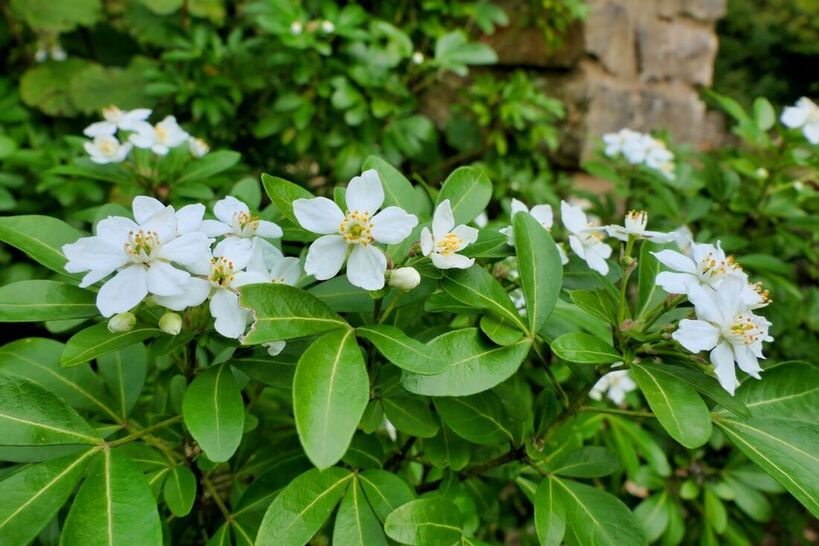
3. HydrangeaGrowing hydrangeas is lots of fun. These well suited shrubs for English gardens produce large, round, flower clusters. The flowers can be blue, purple, pink, white, or even green, Hydrangeas can grow in a broad range of different soil types. These shrubs will require good drainage and some shade from direct sun. Hydrangeas flowers can change colour depending upon if soil is more acidic or alkaline. This can add some extra excitement and interest to your flower border. 
4. Box Leaf HoneysuckleThe Box Leaf Honeysuckle, originating in China, is a remarkable shrub which is often utilized for forming hedges within English gardens. They have vibrant green, oval-shaped leaves that form a dense, and compact shape. Trimming is only necessary once a year after blooming. Remarkably, Box Leaf Honeysuckle thrives in full sun or partial shade, flourishing across various soil types but prefers a well-drained, humus-rich soil. Beyond its use as a hedge, Box Leaf Honeysuckle's versatility extends to artistic shaping and patterning, which can be seen in topiary. This shrub can be planted and clipped to produce geometric forms in keeping with classical English styles. 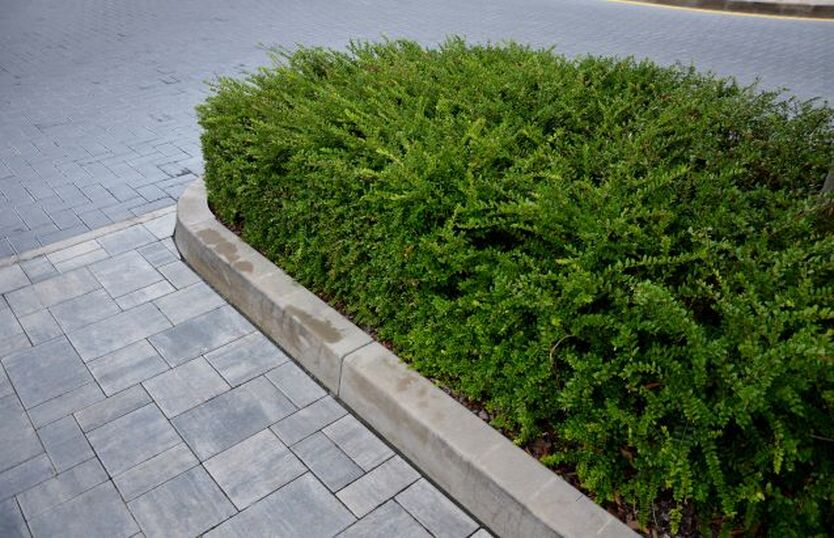
5. Californian lilacCalifornian lilac, also known as Ceanothus, is a beautiful plant that comes from Western North America. It produces small, blue flower clusters which cover the shrub during summer. Californian lilacs require soil that drains well but is also moisture retentive. In English gardens this shrub can form elegant hedges or a good mid border specimen. Ceanothus can look very effective next to paths, driveways, or around the base of buildings. 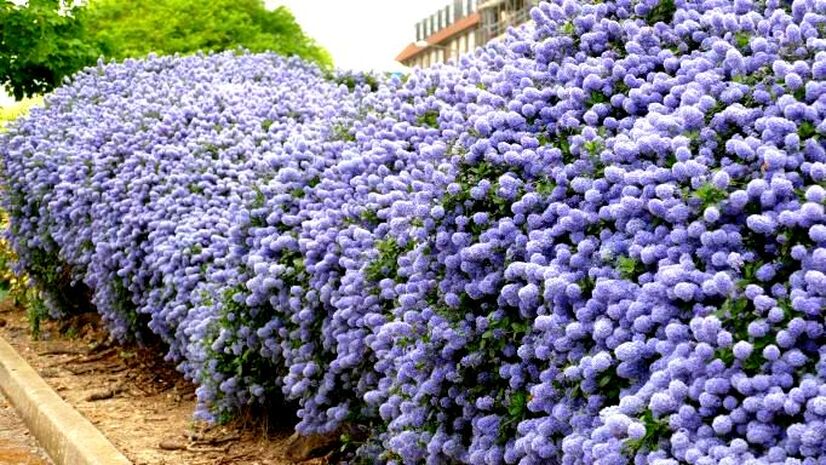
6. St Johns wortScientifically referred to as (Hypericum androsaemum), St. John's Wort is a beautiful shrub that works very well in English gardens. This shrub has buds which open into soft yellow flowers which beneficial insects love. St Johns Wort grows well in most types of soil, as long as there is good drainage.. However, it does prefer slightly acidic soil and thrives best in full sun. These shrubs can be trained to grow up trellises, arbors, or other garden supports. They also look beautiful spilling over the edges of containers or terraced gardens. This shrub can also be planted within blocks to form an effective groundcover. 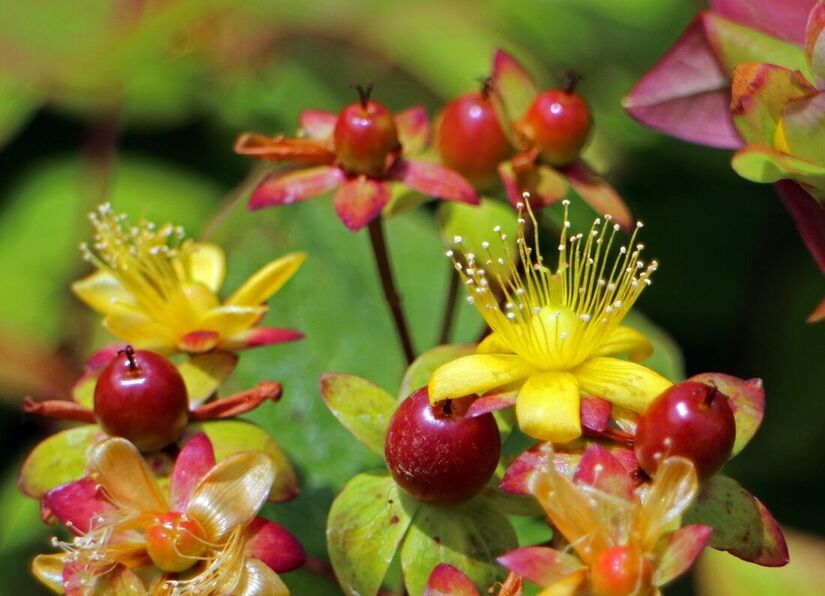
7. PhiladelphusPhiladelphus, also known as the mock orange or sweet mock orange, is a flowering shrub that belongs to the Hydrangeaceae family. Its scientific name, (Philadelphus coronarius), refers to its striking resemblance to the orange blossoms, both in appearance and fragrance. This delightful plant can reach impressive heights of up to 4 meters (13 feet), making it an excellent choice for bold statements within the English border. For the mock orange to grow at its best it needs some partial shade. This shrubs flowers produces a very sweet scent which locally perfumes the air. This means it is perfect for walkways and English garden courtyards. 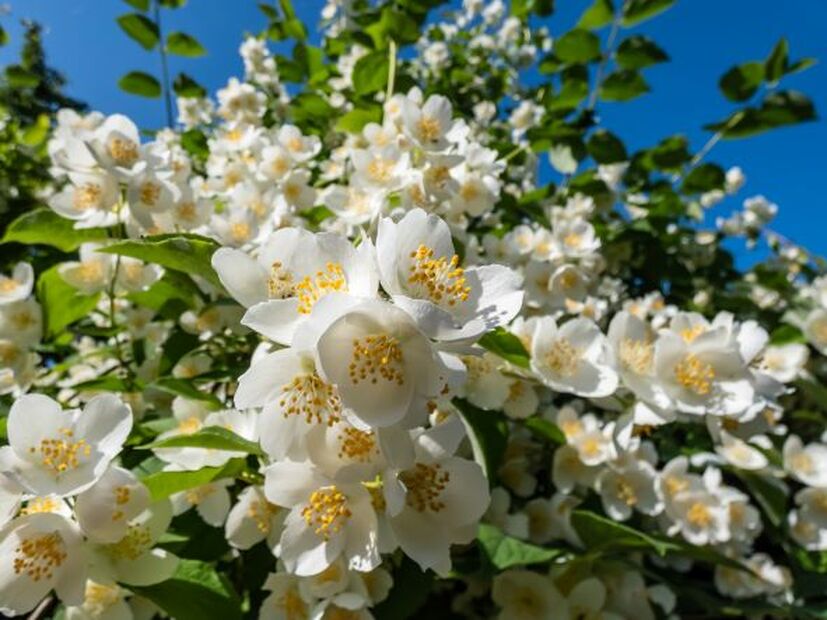
8. BoxBox (Buxus sempervirens) is a shrub that is very popular in traditional English gardens. It has small, green leaves that are often clipped neatly into dome shapes. Box plants are very hardy and can grow well within a variety of different conditions. They don't need any particular soil type, as long as they do not dry out. One of the best things about box plants is that you can use them in a variety of different ways. You can also make knot gardens, which are gardens with box plants trimmed into intricate patterns. No matter how you use them, box plants bring a classic, timeless look to English gardens. 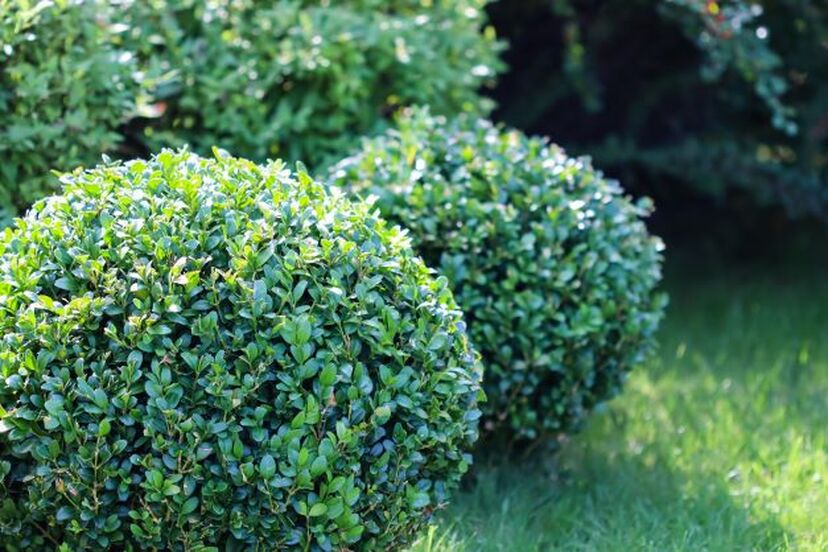
9. FuchsiaFuchsias are beautiful flowering plants that add much color and style to the English garden border. These plants come from warmer climates such as Central and Southern America. Fuchsias have long, hanging flowers with layers of petals which look like little skirts. Their flowers often display many different colors such as purple, pink, red, and white. Fuchsias love mid temperatures and wet weather, which is why they grow so well in coastal areas of England. Fuchsias prefer a loamy soil which is moisture retentive but also well drained. This flower does provide a more exotic look to English garden borders. 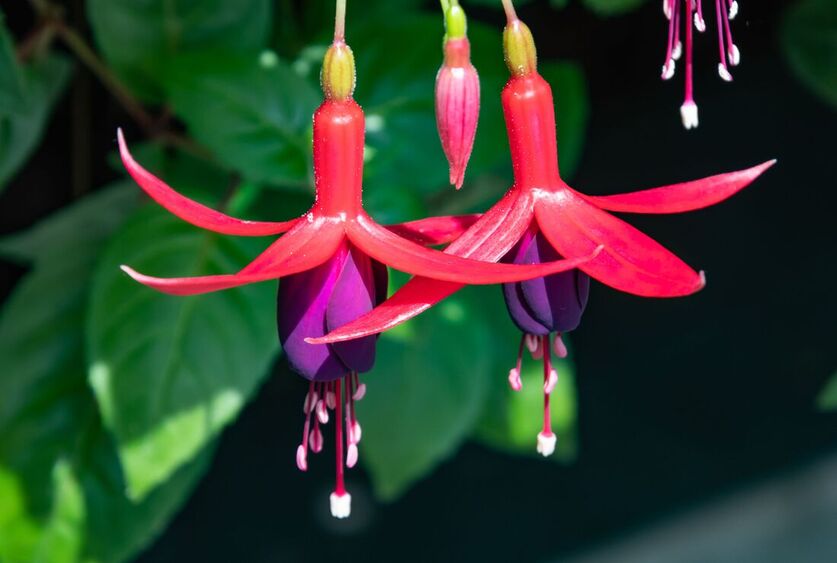
10. BuddleiaBuddleia, also known as butterfly bush are beautiful flowering shrubs that have trumpet-shaped flowers. The flowers come in a variety of different colors including purple, pink, white, orange, and yellow. These flowers are filled with sweet nectar that butterflies love. Buddleia originally come from China, but they grow exceptionally well in the English climate. They can be planted in full sun or light shade, but are generally not fussy. These shrubs are also easy to prune into a variety of different shapes and forms. 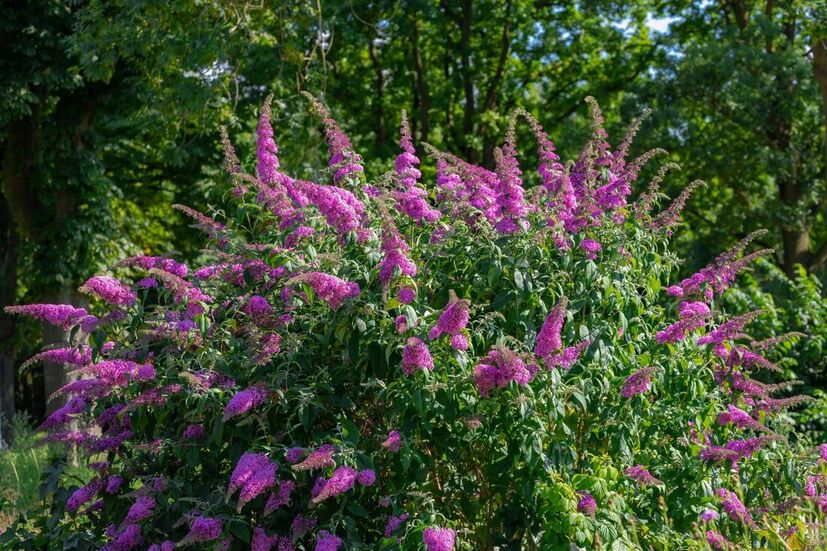
Below I have included some other articles you may also enjoy.
'As an Amazon Associate I earn from qualifying purchases'
This article contains affiliate links
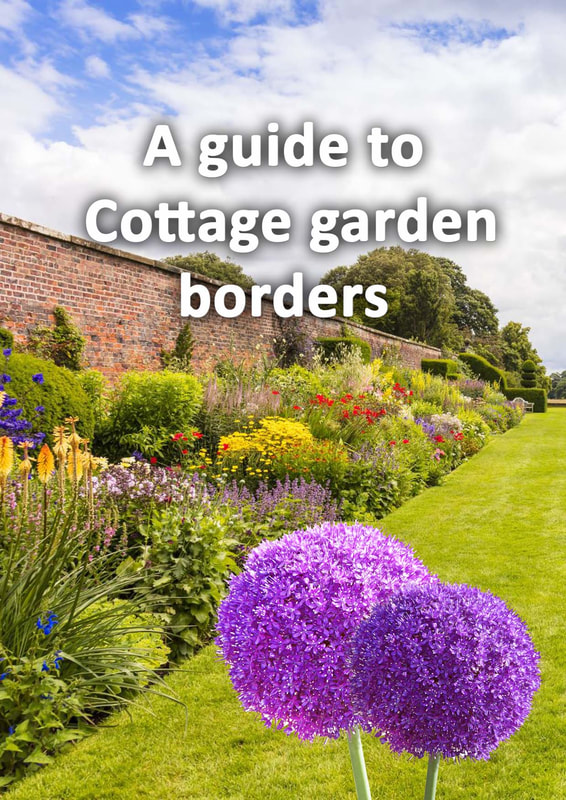
English gardens are celebrated for their generous flower borders and historical elegance. English garden borders are often broad and well structured.
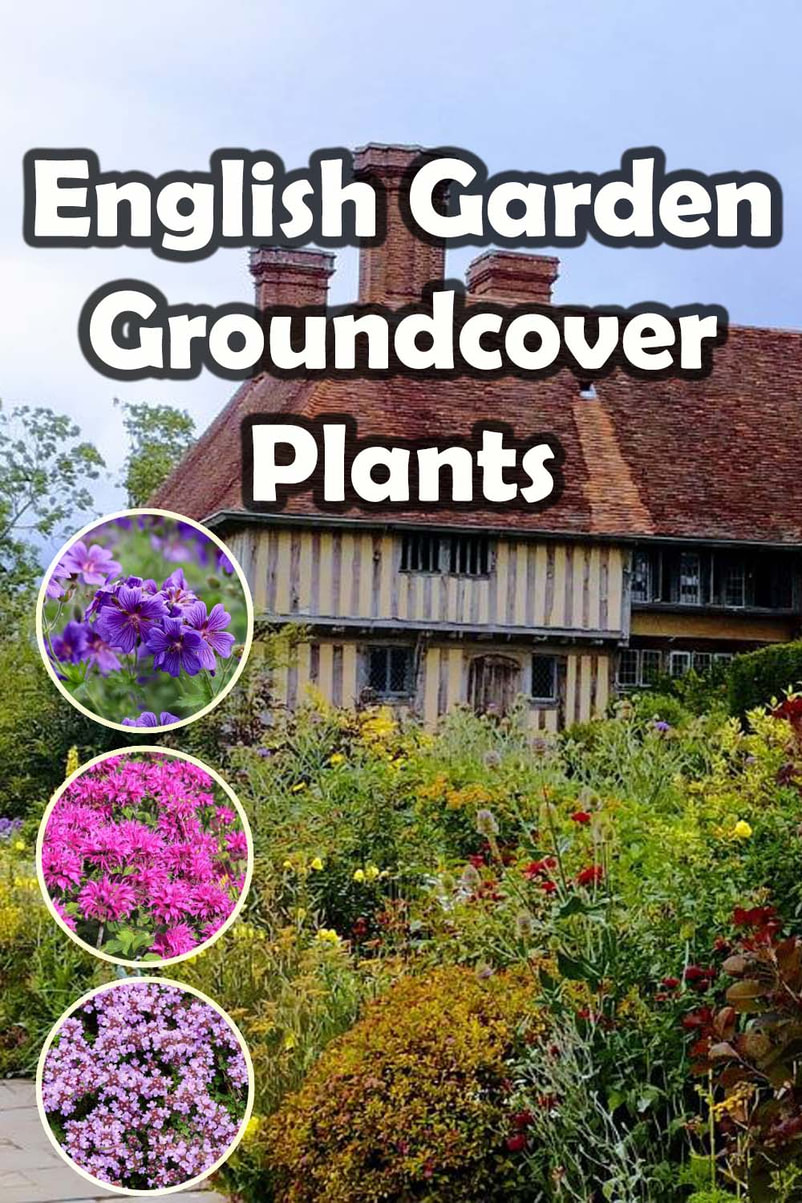
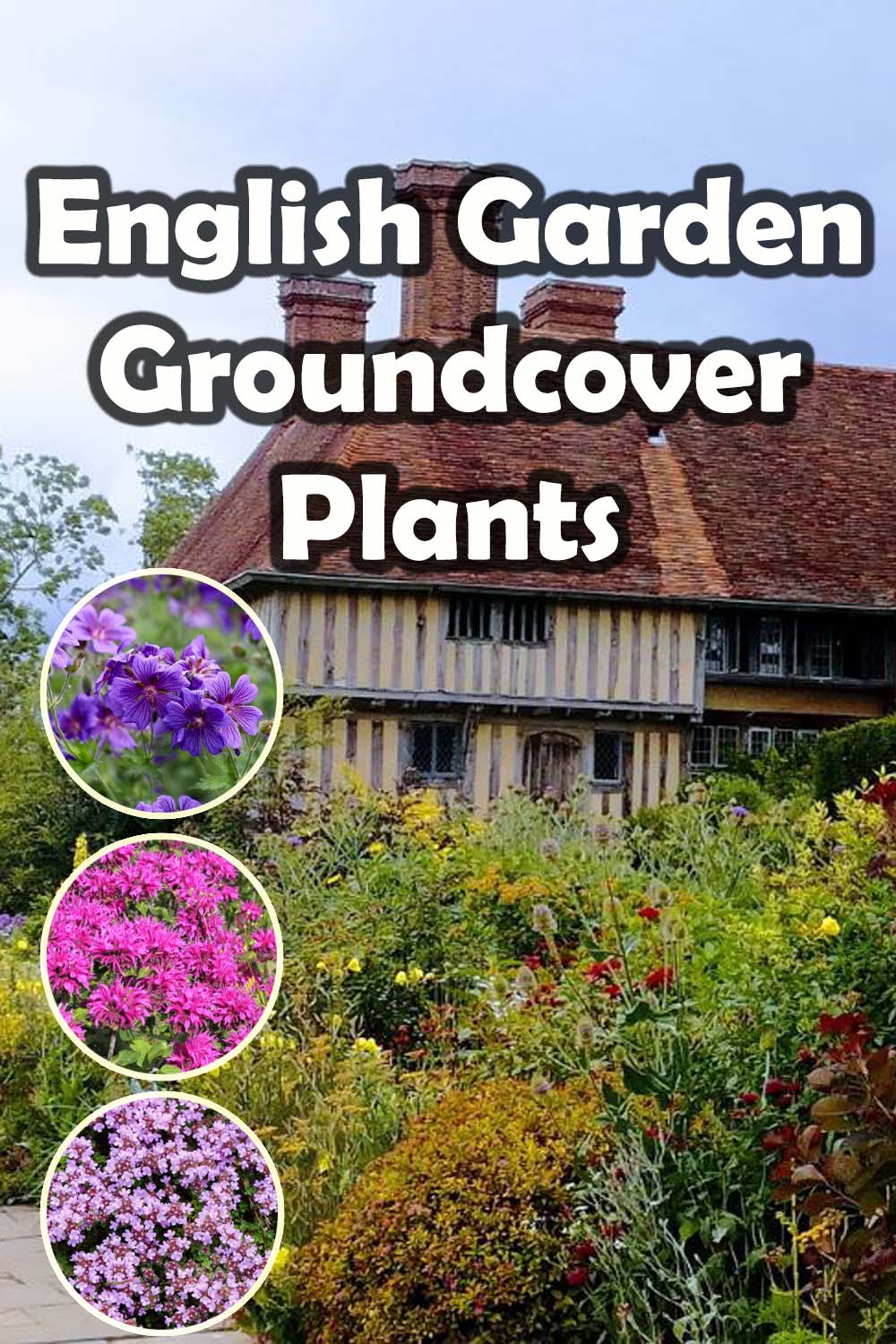
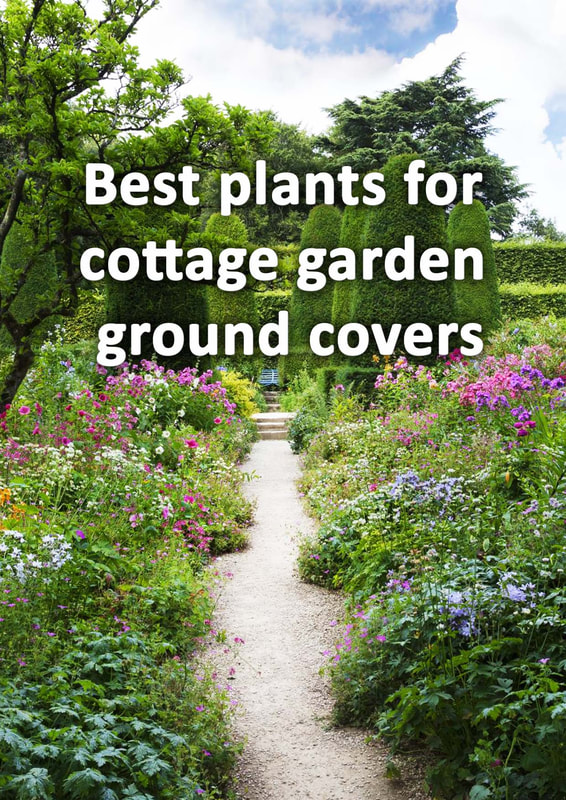
Such generous planting schemes often require low growing ground cover plants to the front of flower beds. English garden groundcovers provide fine visual textures and also help to suppress weeds. In this article I list and summarise 10 of the best ground cover plants for English gardens. 1. Ostrich fern
With lush, tall fronds, ostrich fern is a majestic plant that can add a touch of natural beauty to any garden. It can reach an impressive height of up to five feet, creating a stunning visual display. This fern forms dense colonies, effectively crowding out any unwanted weeds that may try to take root in the area. It thrives in moist, well-drained soil conditions and prefers partial shade, making it an ideal choice for damp areas in traditional English gardens. The feathery foliage of the ostrich fern not only adds a delicate texture and elegant appeal to the garden, but also helps to suppress the growth of undesirable plants. 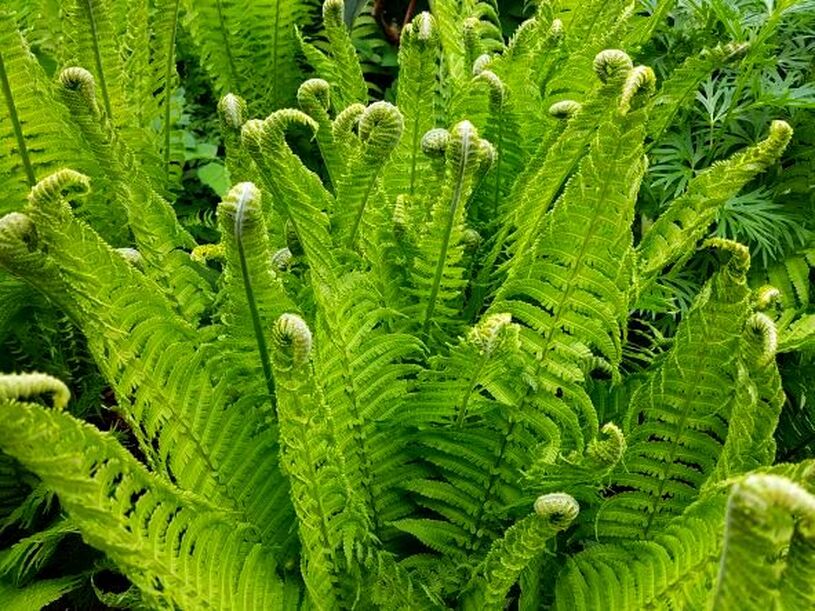
2. Cranesbill geraniumCranesbill geraniums are incredibly hardy plants that produce bright and colorful blooms in the spring. These eye-catching flowers are accompanied by lush, green foliage that remains attractive all year round or for most of the year, depending on the variety. What makes cranesbill geraniums truly remarkable is their ability to thrive in a wide range of soil conditions, although they do best in well-draining soil. These low-growing, mounded plants are perfectly suited for use as ground covers or edging plants in English-style gardens. When planted around taller perennials or shrubs, these groundcover plants add a pop of color and help suppress weeds due to their dense growth habit. 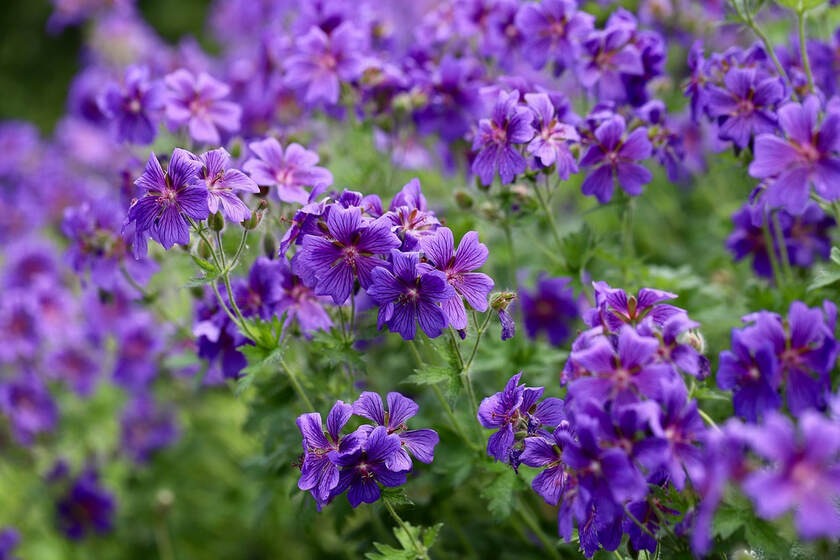
3. Creeping thyme
A wonderful choice for sunny spots in English gardens, Creeping Thyme is a small, aromatic plant that can tolerate dry conditions very well. They form a dense, low-growing mat of tiny leaves and beautiful pink or purple flowers. This groundcover plant does best in poor, alkaline soil. You can use Creeping Thyme in many creative ways. Plant it between pavers or along walkways to create fragrant stepping stones that also help prevent weeds from growing. The plant is also a great choice for planting on top of walls or retaining walls, where it will spill over the sides in a lovely cascade of color and scent. With its ability to thrive in harsh conditions, Creeping Thyme is a versatile and tough addition to any garden. 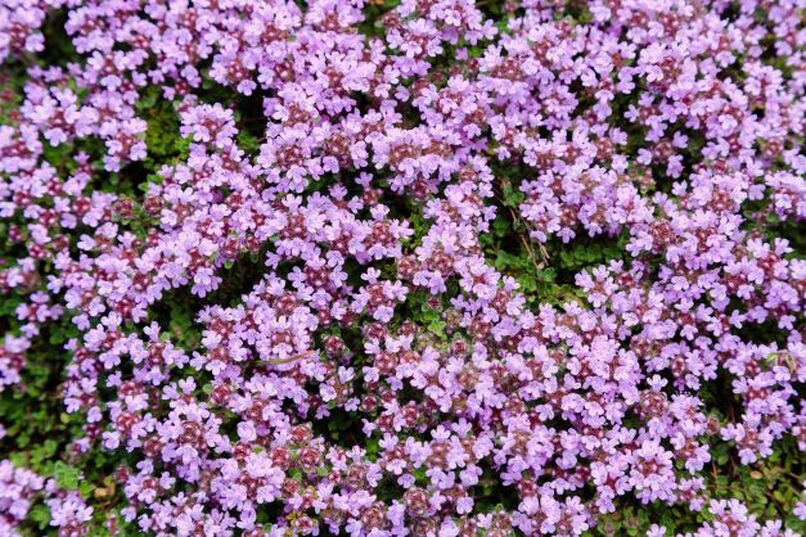
4. Lilly of the valleyThe lily of the valley (Convallaria majalis) is a delightful and fragrant flowering plant. It produces charming bell-shaped white blossoms that gracefully hang along arching stems. Beneath these elegant blooms, you'll find vibrant green, linear leaves that add to the plant's dazzling beauty. This woodland ground cover thrives in rich, moist, well-drained soil and prefers partial to full shade conditions. When planted in shaded corners, these delicate beauties create captivating, natural displays that will bring a touch of fancifulness to your outdoor space. 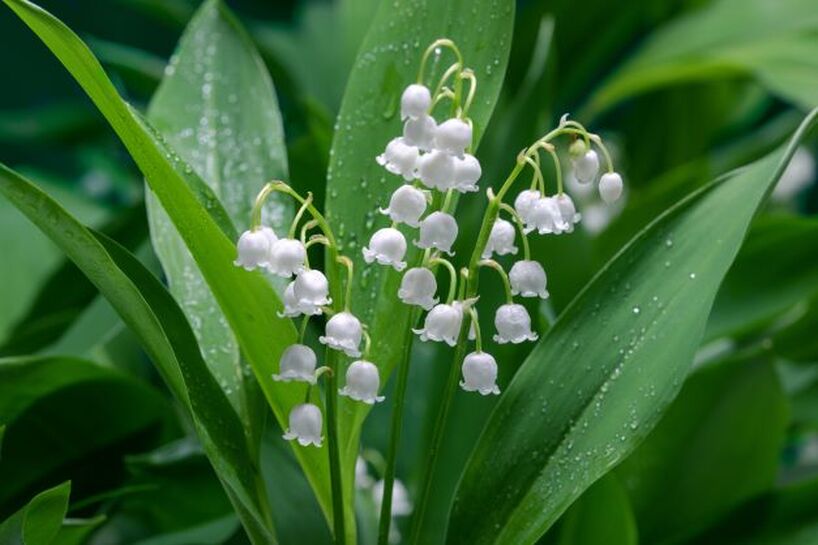
5. HeucheraHeucheras, or coral bells, are small perennial plants that are famous for their stunning foliage. These plants form lovely round clusters of lobed leaves in a variety of vibrant colors, ranging from deep burgundy red to bright chartreuse yellow. The leaves often have intricate patterns or veining that adds to their beauty. Heucheras thrive in consistently moist yet well-draining soil conditions and prefer partial to full shade environments. With their mounding growth habit and eye-catching foliage, these groundcover plants make excellent additions to English-style garden borders, providing textural interest and a pop of color. 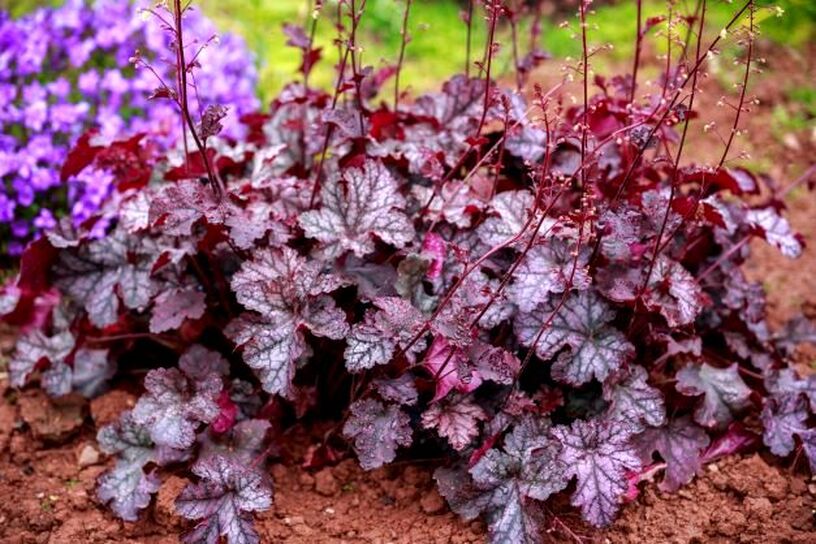
6. Ladies mantleLady's Mantle is a lovely plant with soft, rounded leaves and clusters of tiny, star-shaped yellow flowers. This plant can grow in many types of soil and light conditions. You can plant Lady's Mantle in flower beds with other plants, in pots, or by itself as ground cover. Lady's Mantle will add texture and interest to your garden through the seasons. It brings charm and beauty to any garden area. With its versatility and attractive features, Lady's Mantle is a great choice for creating beautiful garden landscapes. 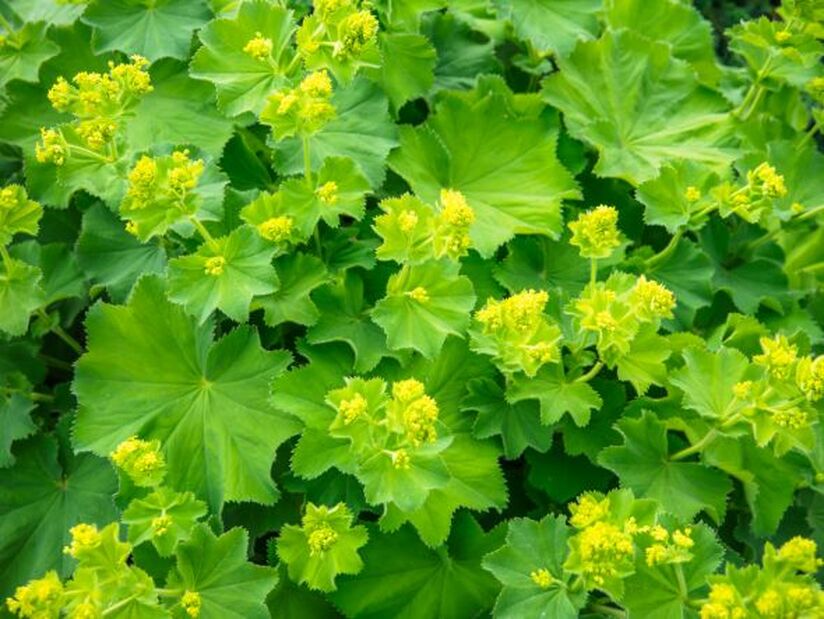
7. Lilly turfLily Turf, popularly called monkey grass, is a hardy evergreen plant with the scientific name Liriope spicata. Its striking features include dark green, elongated leaves resembling swords and upright spikes adorned with lavender-purple blooms. This resilient ground cover thrives in well-drained soil conditions and prefers partial shade environments. Throughout the year, Lily Turf offers a visually appealing and structured presence, making it a delightful addition to traditional English gardens. 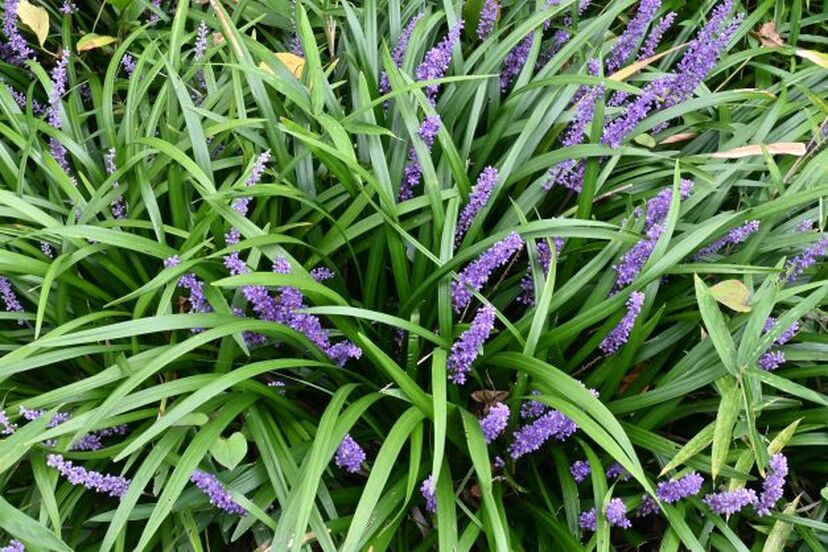
8. Creeping JuniperThe creeping juniper, known scientifically as Juniperus horizontalis, is a marvelous evergreen ground cover that requires minimal effort for upkeep. Its needle-like foliage boasts a striking blue-gray color, adding a touch of natural beauty to any landscape. This hardy plant is highly adaptable, thriving in diverse soil conditions and demonstrating remarkable resilience against heat and drought. As a result, the creeping juniper emerges as an exceptional choice for covering banks, slopes, or rockeries, particularly in English-style gardens. 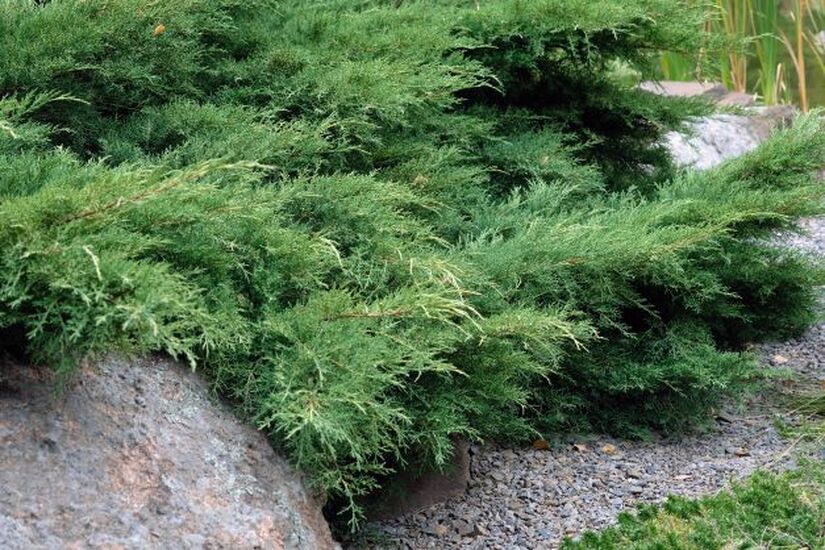
9. LavenderLavender is a wonderful plant that brings a delightful fragrance and beautiful violet flower spikes to English gardens. These plants, scientifically known as Lavandula angustifolia, thrive in chalky or alkaline soils and require full sun exposure. Lavender is an excellent choice for ground cover, as it attracts pollinators such as butterflies and bees. Additionally, lavender serves as an elegant edging plant, providing a beautiful border around pathways or garden beds. 
10. BergeniaBergenias, scientifically known as Bergenia cordifolia, are remarkable ground cover plants. Their wide, lush leaves spread across the ground horizontally, forming a thick mat that effectively covers bare spots and prevents weeds from growing. Bergenias have strong, deep roots that create an extensive network underground, ensuring they remain stable and resilient even in harsh conditions. In spring, they produce beautiful rose-pink or pure white flowers on tall stems, adding ornamental value to your garden while serving as excellent ground cover. Bergenias seamlessly combine structural support, lush foliage, and stunning floral displays, making them ideal for traditional English gardens. 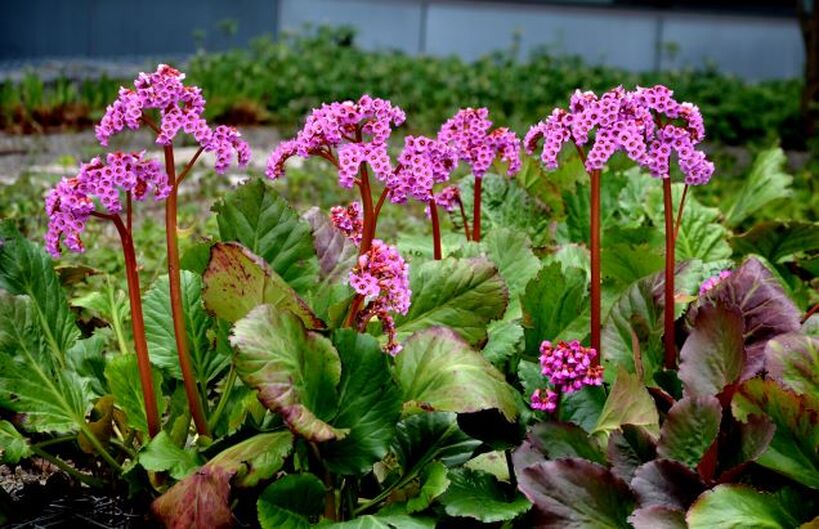
Thank you for reading our article on the best ground cover plants for English gardens!
If you require garden drainage services do not hesitate to contact us. Based in Amersham, we provide a wide range of garden landscaping services including: paving, patios, driveways, paths, edging, raised beds, garden drainage, lawn drainage, gardening, fencing, new lawns, garden walls, ponds, re-levelling, planting, wildlife gardens and vegetable gardens. Our landscaping services cover a 10 mile radius from Amersham and typically cover: Amersham, Aylesbury, Bovingdon, Chalfont, Chesham, Hyde Heath, Great Missenden, Princes Risborough, High Wycombe, Penn, Beaconsfield, Tring, Gerrard's Cross and Denham.
'As an Amazon associate I earn from qualifying purchases'

This article contains affiliate links
Landscape and garden drainage can be a more in depth topic than many give it credit for. In my experience drainage solutions on a particular site can be influenced by so many varying factors.
Topography, geography, soil type, climate, annual rainfall and hydrology all play a role in reaching a sites optimal drainage. However, many often seek a solution without assessing a particular drainage problems cause. A common question when tackling garden drainage is; ‘what should I add to my soil?’ ‘What is best for drainage sand or gravel?’ The truth is there are very specific circumstances for both materials when improving garden drainage. In this article I will answer the question is gravel or sand best for garden drainage? What is best for garden drainage sand or gravel?
Sand and gravel are both effective at improving garden drainage but in completely different ways. Gravel is specifically utilised for its ability to drain water through its particles quickly.
However sand is more useful when mixed with soil to provide a more stable structure and open texture. This helps compacted soil particles to fragment, adding air pockets so water can percolate. Sand on its own does not drain as quickly as gravel but when worked in can create a more free draining soil. 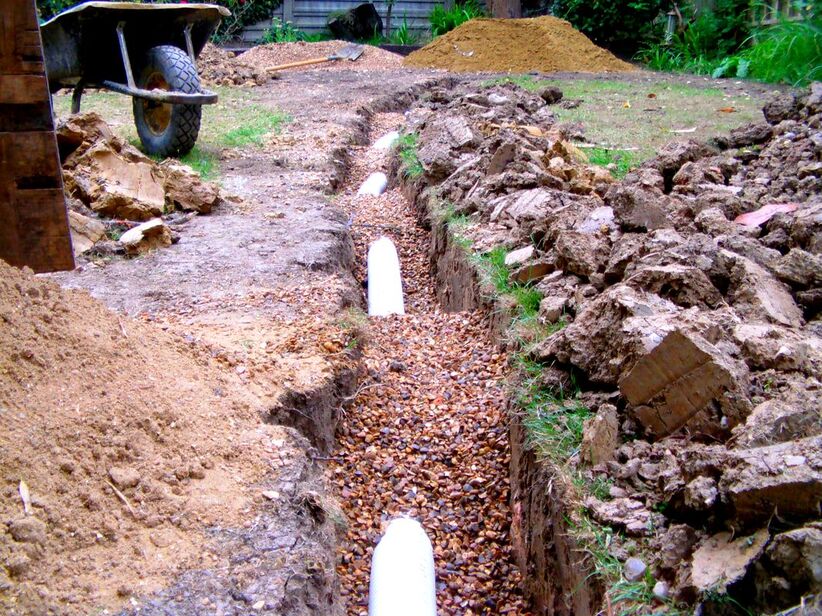
Consequently both sand and gravel are great for garden drainage but in completely different ways. There is no particular material which is better for drainage than the other.
If we are measuring what drains water faster on mass, it would be 10mm gravel. However if we are searching for a material to mix with the soil it would be sharp sand. How to use sand for garden drainage?
If your soil is very heavy and impervious like clay, sharp sand can greatly improve drainage. However, in order for it to be successful you will need to add and mix in a substantial amount. You will need to spread a generous layer of between 50 – 75mm of sharp sand over your soil. If you are spreading over a large area, this can amount to many tones and days of labour. The sand must then be worked into the soil with a tiller so they mix thoroughly. 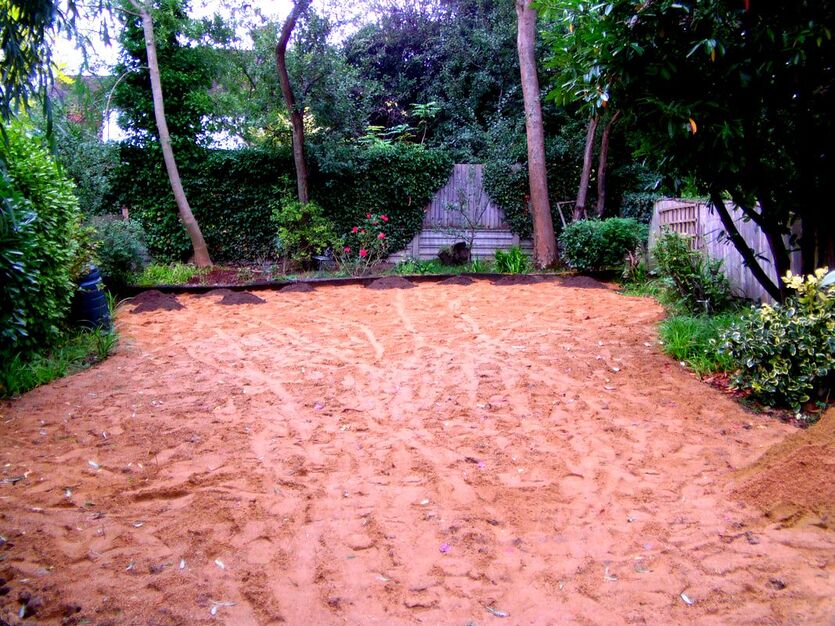
This will greatly improve the drainage and permeability of your topsoil. Sand however, can also be used as a free draining layer. This is where you spread a 30mm layer of sharp sand under a new lawn.
A 30mm layer of good quality topsoil is then spread on top and the new lawn laid. The sand layer provides drainage to the topsoil layer aiding surface water to percolate away from the surface. What is the best sand for garden drainage?The best sand for garden drainage is coarse sand or sharp sand. Its particles easily cut into heavy soils and help to break them up. The random sized particles also help surface water to percolate efficiently. How to use gravel for garden drainage?
In landscape drainage free draining gravels are used to draw water out from surrounding soil. Evenly graded gravels have an extremely high permeability and ability to absorb high volumes of water. These attributes make gravel perfect for filling around perforated pipe channels and soak-aways. In landscape drainage, gravels are primarily used to create free draining buffer zones around drainage pipes and soak-aways. 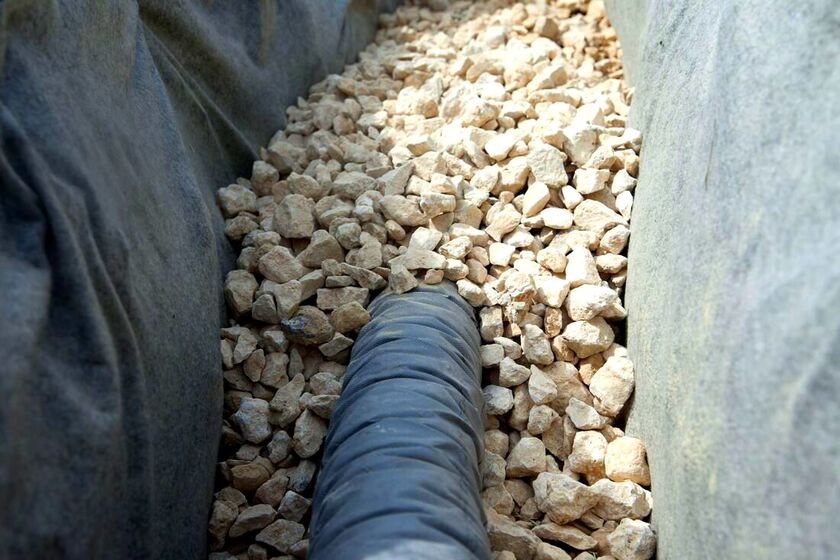
However, I would not mix these gravels directly with the soil to improve drainage. In my experience their angular structure leads to more soil compaction. Horticultural grit is much better for soil drainage and has smaller particles.
However I personally think coarse sands are best for improving drainage to clay soils. Furthermore, working in organic matter such as compost and woodchips is also effective for soil drainage. What is the best gravel for garden drainage?
The best gravel for drainage is 10mm gravel from an angular and non calcareous aggregate. 20mm and above contains too many larger air spaces potentially leading to displacement and surrounding ground movement. 10mm is just as free draining but provides enough density to hold back excavated soil channels and soak ways. 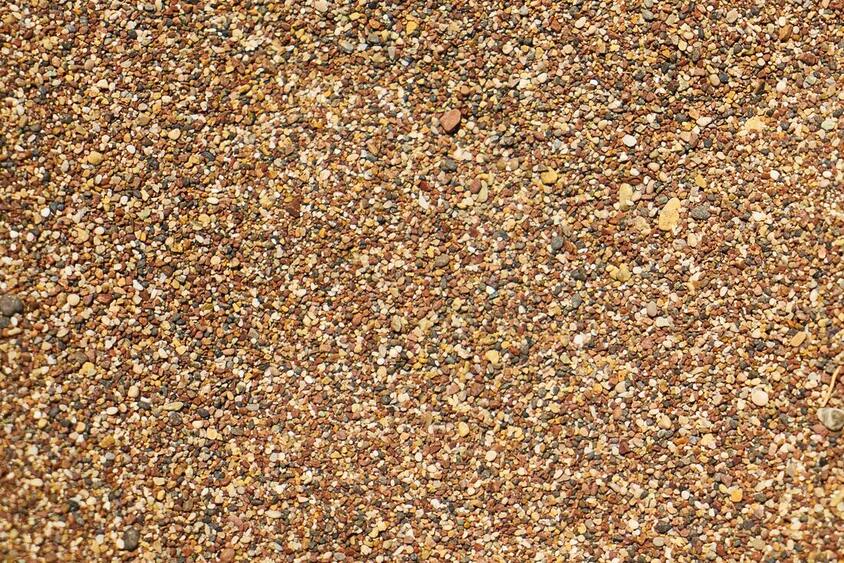
The gravel should be made up of an impervious material so water does not penetrate the individual aggregates. Rock particles which absorb water such as limestone are subject to freeze and thaw as well as break down from acid rain.
This can lead to eventual silting and clogging of the drainage system. In the UK we use a 10mm standard pea gravel or shingle for garden drainage installations.
Thank you for reading our article on which is better for drainage sand or gravel? Below I will link to some of our other articles you may find relevant and useful.
If you require garden drainage services do not hesitate to contact us. Based in Amersham, we provide a wide range of garden landscaping services including: paving, patios, driveways, paths, edging, raised beds, garden drainage, lawn drainage, gardening, fencing, new lawns, garden walls, ponds, re-levelling, planting, wildlife gardens and vegetable gardens. Our landscaping services cover a 10 mile radius from Amersham and typically cover: Amersham, Aylesbury, Bovingdon, Chalfont, Chesham, Hyde Heath, Great Missenden, Princes Risborough, High Wycombe, Penn, Beaconsfield, Tring, Gerrard's Cross and Denham.
'As an Amazon Associate I earn from qualifying purchases'
|
The Author
|




Serving the landscapes of Buckinghamshire, Amersham, Aylesbury & High Wycombe
Hyde Heath, Amersham, Buckinghamshire
|
|